Embarking on the journey of creating your own homemade face moisturizer is more than just a trendy DIY project; it’s a profound step towards healthier, more radiant skin that resonates with your unique needs. Are you tired of decoding endless ingredient lists on commercial products or dealing with unexpected irritations? Many store-bought creams contain synthetic fragrances, parabens, and petroleum-based ingredients that can disrupt your skin’s natural barrier. By choosing to craft your own, you gain complete control over every ingredient, ensuring pure, ethical, and highly effective skincare tailored precisely to your complexion, while also often saving money and reducing waste. This guide will empower you to understand your skin, select the finest natural components, and master the art of homemade hydration for a truly glowing difference.
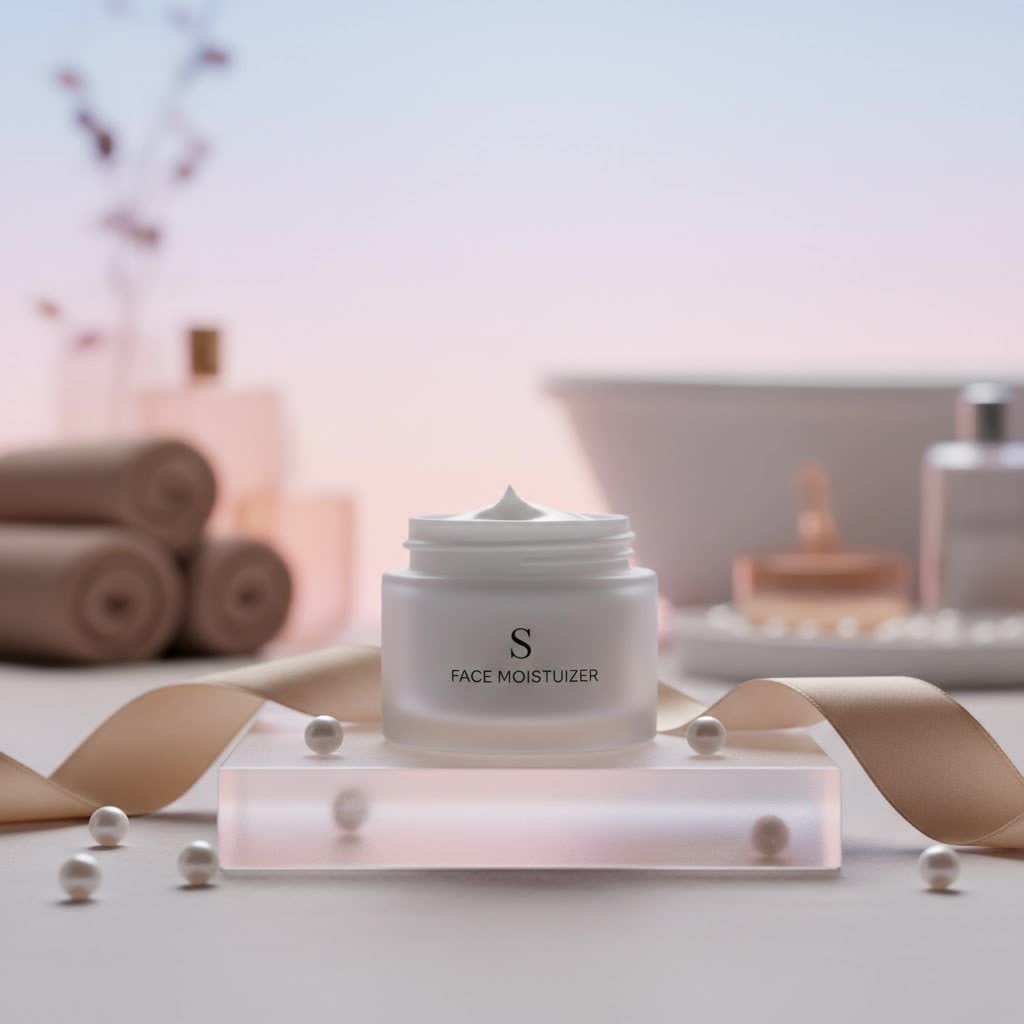
What is Face Moisturizer? Why is it Essential?
A face moisturizer is a skincare product designed to hydrate the surface layers of your skin and seal in moisture and nutrients, playing a crucial role in maintaining skin health and appearance. Facial skin, unlike the rest of your body, possesses unique characteristics that necessitate specialized care. It contains significantly more sebaceous glands, leading to varying oil production across different zones, like the often oilier T-zone compared to drier cheeks. Additionally, the protective outer layer of facial skin (stratum corneum) is thinner, making it more prone to moisture loss and environmental damage.
Proper moisturization helps to support the skin’s natural barrier, protect against external aggressors, and maintain optimal hydration levels. Without adequate moisture, skin can become dry, tight, dull, and more susceptible to premature aging and irritation. Understanding these critical differences between facial and body skin is fundamental to formulating an effective homemade face moisturizer.
Key Ingredients in Homemade Face Moisturizers
The efficacy of any moisturizer, homemade or commercial, lies in its carefully chosen ingredients. Natural homemade formulations typically combine three essential types of ingredients to deliver comprehensive hydration and protection: humectants, emollients, and occlusives.
Humectants (Moisture Magnets)
Humectants are substances that attract and draw moisture from the air into your skin, helping to keep it hydrated and plump. They are crucial for boosting the water content in your skin’s outer layers.
- Glycerin: A natural compound derived from vegetable fats, glycerin is a powerful humectant that pulls moisture into the skin. It’s widely used in skincare for its effectiveness and mildness.
- Hyaluronic Acid: Though often associated with commercial products, lower molecular weight hyaluronic acid can sometimes be sourced for DIY. It’s renowned for its ability to hold up to 1,000 times its weight in water, providing intense hydration.
- Honey: This natural humectant not only draws moisture but also possesses antibacterial and anti-inflammatory properties, making it beneficial for soothing and healing the skin.
- Aloe Vera Gel: Rich in water, vitamins, and antioxidants, pure aloe vera gel is a fantastic natural humectant that soothes, hydrates, and helps repair the skin barrier.
|
Our Picks for the Best Face Moisturizer in 2026
As an Amazon Associate I earn from qualifying purchases.
|
||
| Num | Product | Action |
|---|---|---|
| 1 | La Roche-Posay Toleriane Double Repair UV SPF Moisturizer for Face, Daily Facial Moisturizer with Sunscreen SPF 30, Niacinamide and Glycerin, Oil Free, Moisturizing Sun Protection |

|
| 2 | Tallow Face Cream Daytime – Brighten & Hydrate Moisturizer with Vitamin C, Peptides & Goji Berry Oil – Nourishing Grass-Fed Tallow Face Cream for Radiant, Smooth Skin – 2oz (57g) |
|
| 3 | La Roche-Posay Toleriane Double Repair Face Moisturizer, Daily Moisturizer Face Cream with Ceramide & Niacinamide for All Skin Types, Immediate Comfort & Long Lasting Hydration, Fragrance Free |
|
| 4 | Dr.Althea 345 Relief Cream - Moisturizer for Soothing Recovery and Blemish Care with PDRN & Niacinamide - Korean Vegan Skin Care for All Skin Types, 1.69 Fl Oz (Ver.2 - Pack of 1) |
|
| 5 | RoC Multi Correxion Even Tone + Lift 5-in-1 Daily Moisturizer, SPF 30, 1.7oz, Brightening, Firming, Hydrating, Paraben-free, Hypoallergenic |
|
| 6 | CeraVe Daily Moisturizing Lotion for Dry Skin, Body Lotion & Face Moisturizer with Hyaluronic Acid and Ceramides, Daily Moisturizer, Fragrance Free, Oil-Free, 12 Ounce |
|
| 7 | Neutrogena Fragrance Free Daily Facial Moisturizer, Face & Neck Moisturizer for Sensitive Skin with Vitamin B3, Pro-Vitamin B5 & Vitamin E Supports Skin's Dynamic Barrier, 3.4 fl. oz |
|
| 8 | Vanicream Daily Facial Moisturizer With Ceramides and Hyaluronic Acid - Formulated Without Common Irritants for Those with Sensitive Skin, 3 fl oz (Pack of 1) |
|
| 9 | L’Oreal Paris Collagen Daily Face Moisturizer, Anti Aging Face Cream to Reduce Wrinkles and Provide Intense Hydration, 1.7 oz |
|
| 10 | La Roche-Posay Lipikar AP+ Triple Repair Moisturizing Cream - Face & Body Lotion For Dry Skin - Shea Butter & Niacinamide Moisturizer - Gentle Face & Body Cream For Dry, Rough & Sensitive Skin |
|
Emollients (Softeners and Smoothers)
Emollients are ingredients that fill the spaces between skin cells, smoothing and softening the skin’s texture. They help to improve the skin’s barrier function, making it feel more supple and flexible.
- Ceramides: These are lipids naturally found in the skin that play a vital role in the skin barrier. While complex to add in pure DIY, certain plant oils can support natural ceramide production.
- Plant Oils: Oils like jojoba oil (actually a liquid wax, closely mimicking skin’s sebum), sweet almond oil, argan oil, and baobab oil are excellent emollients. They provide essential fatty acids that integrate into cell membrane structures, repairing the skin barrier and delivering lasting hydration.
- Shea Butter: Often called “Africa’s women’s gold,” unrefined shea butter is a superb emollient due to its rich fatty acid profile (oleic, stearic, linoleic acid) that mirrors healthy young skin. It moisturizes, hydrates, and soothes.
Occlusives (Moisture Sealers)
Occlusives create a protective layer on the skin’s surface, preventing transepidermal water loss (TEWL) by sealing in moisture. This barrier protects the skin from environmental elements.
- Petrolatum (Petroleum Jelly): A highly effective occlusive, it forms a strong barrier. However, some prefer natural alternatives in DIY.
- Beeswax: A natural emollient and one of the best occlusives for skincare, beeswax forms a protective barrier that prevents moisture loss without necessarily clogging pores, depending on concentration.
- Coconut Oil: A solid moisturizer packed with antioxidants and vitamin E, coconut oil acts as an occlusive, forming a barrier to improve water retention. However, its comedogenic nature requires careful consideration for acne-prone skin.
- Shea Butter: Beyond being an emollient, shea butter also functions as a moderate occlusive, forming a protective film on the skin to reduce moisture evaporation.
Other Beneficial Ingredients
Beyond the main three categories, several other natural ingredients can significantly enhance your homemade face moisturizer:
- Vitamin E Oil: A powerful antioxidant that moisturizes, soothes inflammation, and helps prevent UV damage. It also helps stabilize other oils in your formulation.
- Antioxidants: Found in many plant oils (like baobab and rosehip), these help neutralize free radicals that cause cellular damage and premature aging.
- Peptides: While true peptides are complex for DIY, certain plant extracts and oils can encourage natural peptide production in the skin.
Categorizing Homemade Face Moisturizers by Skin Type
Tailoring your homemade face moisturizer to your specific skin type is paramount for optimal results. What works wonders for dry skin might not be suitable for oily skin, and vice versa.
For Dry Skin: Rich and Nourishing Formulas
Dry skin requires intensive hydration and ingredients that create a strong occlusive barrier to prevent moisture loss. Look for formulas rich in healthy fats and emollients.
- Key Ingredients: Unrefined shea butter, cocoa butter, avocado oil, rosehip seed oil, sweet almond oil, sea buckthorn oil, vitamin E oil.
- Why it works: These ingredients provide deep moisturization, replenish the skin’s lipid barrier, and offer sustained hydration. Shea butter, for instance, mimics the skin’s natural lipid composition, restoring barrier function.
- Example approach: A whipped butter blend of shea and cocoa butter with a nourishing carrier oil like avocado or rosehip seed oil, enhanced with vitamin E.
For Oily Skin: Lightweight and Balancing Formulations
Oily skin needs hydration without feeling heavy or greasy, and ingredients that help balance sebum production without stripping the skin. Non-comedogenic options are key.
- Key Ingredients: Jojoba oil (mimics natural sebum, signaling skin to produce less oil), shea oil (a lightweight fraction of shea butter), aloe vera gel, witch hazel (a mild astringent), tea tree essential oil (for acne-prone oily skin).
- Why it works: These ingredients absorb quickly, provide essential hydration, and can help regulate oil production, preventing clogged pores and breakouts.
- Example approach: A light lotion or gel-cream using shea oil, jojoba oil, and aloe vera gel, with a few drops of tea tree oil if acne is a concern.
For Combination Skin: Balanced and Zone-Specific Care
Combination skin presents a unique challenge, often having an oily T-zone and normal to dry cheeks. The best approach involves either a balanced formula or zone-specific application.
- Key Ingredients: A mix of lightweight oils like jojoba and sweet almond oil, balanced with hydrating aloe vera gel.
- Why it works: A versatile formula can address varying needs. Alternatively, a layering technique can be used: apply a lighter formulation to oily areas and a slightly richer one to drier zones.
- Example approach: A blend of jojoba oil, sweet almond oil, and aloe vera. During application, you might apply a lighter layer to your T-zone and a slightly more generous amount to your cheeks.
For Sensitive Skin: Gentle and Minimalist Recipes
Sensitive skin is prone to reactivity, requiring formulations with minimal, non-irritating ingredients, free from strong fragrances, artificial colors, and harsh chemicals.
- Key Ingredients: Unrefined shea butter, sweet almond oil, vitamin E oil, calendula oil, chamomile essential oil (in low concentrations).
- Why it works: Ingredient simplicity reduces the risk of irritation. Unrefined shea butter provides natural anti-inflammatory compounds, while gentle oils like sweet almond are well-tolerated.
- Example approach: A simple whipped cream with unrefined shea butter, sweet almond oil, and vitamin E. Essential oils should be used sparingly or omitted entirely, and always patch-tested.
For Normal Skin: Maintaining Natural Balance
Normal skin is well-balanced, neither overly oily nor dry. The goal is to maintain its natural hydration, health, and radiance with versatile, nourishing formulations.
- Key Ingredients: Unrefined shea butter, fractionated coconut oil, sweet almond oil, vitamin E oil.
- Why it works: These ingredients provide basic daily hydration, barrier protection, and environmental defense without being too heavy or too light.
- Example approach: A basic daily moisturizer recipe combining whipped shea butter with fractionated coconut oil, sweet almond oil, and vitamin E.
Comparing Key Homemade Face Moisturizer Ingredients
Instead of comparing commercial products, let’s look at a comparison of common and highly effective ingredients for homemade face moisturizers:
| Ingredient | Primary Function | Skin Type Suitability | Key Benefits | Notes for DIY |
|---|---|---|---|---|
| Shea Butter | Emollient, Occlusive | All, especially dry, mature, sensitive | Deeply moisturizing, anti-inflammatory, supports collagen, natural UV protection | Use unrefined for max benefits; can be whipped for lighter texture. |
| Coconut Oil | Occlusive, Emollient | Dry, normal (use with caution for acne-prone) | Hydrating, antioxidant-rich, good carrier oil | Can be comedogenic; fractionated coconut oil is lighter. |
| Jojoba Oil | Emollient, Sebum mimic | Oily, combination, normal, sensitive | Balances oil, non-comedogenic, quickly absorbed | Excellent carrier oil, liquid wax similar to skin’s natural sebum. |
| Aloe Vera Gel | Humectant, Soother | All, especially oily, sensitive, irritated | Hydrating, anti-inflammatory, cooling, healing | Use pure gel; adds a lightweight, refreshing feel. |
| Hyaluronic Acid | Humectant | All | Intense hydration, plumps skin, reduces fine lines | Often sourced as a powder for DIY, requires careful dilution. |
| Sweet Almond Oil | Emollient | Normal, dry, sensitive | Nourishing, soothing, rich in vitamins E, A | Gentle, versatile carrier oil. |
| Baobab Oil | Emollient, Antioxidant | All, especially mature, damaged, dry | High in antioxidants (Vit C, E), omega fatty acids, deep penetration | Supports collagen synthesis and skin barrier. |
| Vitamin E Oil | Antioxidant, Emollient | All | Moisturizing, anti-inflammatory, preservative booster | Essential for stability and skin health; a few drops suffice. |
Guide to Choosing Your Ideal Homemade Face Moisturizer
Selecting or formulating the perfect homemade moisturizer involves a systematic approach that begins with understanding your skin and ends with careful testing.
Determine Your Skin Type
Accurately identifying your skin type is the foundation for effective homemade moisturizer formulation. The traditional categories (oily, dry, combination, sensitive, normal, mature) offer a starting point, but a deeper assessment provides precision.
- The Tissue Test: After cleansing your face thoroughly with a gentle, pH-balanced cleanser, wait 30 minutes without applying any products. Then, press clean tissues to different facial zones (forehead, nose, cheeks, chin). Oil absorption patterns reveal your true sebum production.
- The Pinch Test: Gently pinch the skin on your cheek and observe how quickly it returns to its normal position. Immediate return indicates healthy hydration and collagen, while a delayed return suggests dehydration or aging concerns.
- Water Loss Assessment: Pay attention to how your skin feels 2-4 hours after cleansing without products. A tight, uncomfortable sensation points to a compromised barrier and high transepidermal water loss.
- Environmental Reactivity: Note how your skin responds to environmental factors like temperature changes, wind, or sun. This helps identify sensitivity patterns.
Read and Understand Ingredients
Knowing the role of each ingredient in your homemade formula is crucial. As discussed earlier, distinguish between humectants, emollients, and occlusives, and understand how they work together to benefit your skin. Educate yourself on carrier oils, essential oils, and other active botanicals. For example, coconut oil is nourishing but can be comedogenic for some, while jojoba oil mimics sebum and is generally non-comedogenic.
Source Quality Ingredients
The quality of your raw ingredients directly impacts the effectiveness and safety of your homemade moisturizer. Prioritize organic, unrefined, and ethically sourced ingredients where possible. Unrefined shea butter, for instance, retains significantly higher concentrations of active compounds than refined versions. Research reputable suppliers for plant oils, butters, and other components.
Review Recipes and User Feedback
Explore various reliable DIY skincare blogs and communities for proven recipes. Pay attention to customization notes for different skin types within recipes. While not formal “reviews,” shared experiences and modifications from other DIY enthusiasts can offer valuable insights.
Patch Test New Products
This step is non-negotiable, especially for sensitive skin or when introducing new ingredients. Apply a small amount of your new formulation (or a new ingredient) to a discreet area like your inner wrist or behind your ear. Monitor the area for 24-48 hours for any signs of redness, itching, swelling, or irritation. If any negative reaction occurs, discontinue use immediately. Test individual ingredients separately before combining them into a full formula.
How to Use Homemade Face Moisturizer Effectively
Beyond formulation, the way you apply your moisturizer significantly influences its efficacy. Proper application techniques maximize ingredient penetration and support overall skin health.
When to Apply
For optimal hydration, apply your homemade face moisturizer both in the morning and evening as part of your regular skincare routine. This ensures continuous moisture and protection throughout the day and supports the skin’s regenerative processes at night.
Step-by-Step Application
- Cleanse: Always start with a thoroughly cleansed face to remove dirt, oil, and makeup. This allows your moisturizer to penetrate effectively without hindrance.
- Tone (Optional): If you use a toner or hydrosol, apply it after cleansing.
- Apply to Damp Skin: For enhanced absorption, apply your moisturizer to slightly damp skin. This helps humectants draw water into the skin and allows the product to spread more easily.
- Massage Gently: Warm a small amount of moisturizer between your palms. Then, use gentle upward and outward motions, starting from the center of your face and moving towards the hairline. A light facial massage increases circulation and lymphatic drainage, aiding ingredient penetration.
- Delicate Areas: For the delicate under-eye area, use your ring finger (which applies the least pressure) to gently pat the moisturizer from the inner to the outer corners, following the orbital bone.
How Much to Use
When it comes to homemade moisturizers, less is often more. Start with a pea-sized amount and add more if needed. Over-applying can lead to a greasy feeling, especially with oil-based formulations, and may even hinder absorption. Adjust the quantity based on your skin type and the richness of your specific formula.
Common Mistakes When Using Homemade Face Moisturizers
While homemade moisturizers offer incredible benefits, certain missteps can reduce their effectiveness or even cause issues. Being aware of these common mistakes can help you get the most out of your DIY creations.
- Using Unsuitable Ingredients for Your Skin Type: One of the most frequent errors is not matching ingredients to your skin’s specific needs. A rich shea butter cream might be perfect for dry skin but could clog pores on oily or acne-prone complexions. Always refer to ingredient suitability for different skin types.
- Skipping the Cleansing Step: Applying moisturizer to uncleansed skin can trap dirt, makeup, and impurities, leading to breakouts and reduced product efficacy. Always begin with a clean canvas.
- Incorrect Product Quantity: Applying too much can leave your skin feeling greasy and overwhelmed, potentially leading to breakouts. Applying too little might not provide adequate hydration. Experiment to find the right amount for your formula and skin.
- Lack of Consistency: Skincare, especially natural approaches, requires patience and consistent application to show results. Sporadic use won’t allow your skin to fully benefit from the nourishing ingredients.
- Not Patch Testing New Formulations or Ingredients: This is a crucial safety step often overlooked. Introducing a new ingredient or a new DIY recipe without a patch test can lead to irritation or allergic reactions, especially for sensitive skin types.
- Ignoring Ingredient Purity and Quality: The benefits of homemade skincare are largely dependent on the quality of your raw materials. Using low-grade, refined, or contaminated ingredients can negate the positive effects and potentially harm your skin.
- Improper Storage: Natural ingredients are prone to spoilage. Storing your homemade moisturizer in non-airtight containers, in direct sunlight, or at high temperatures can degrade ingredients, reduce potency, and promote bacterial growth. Use clean, dark glass containers and store in a cool, dry place.
Conclusion
Crafting your own homemade face moisturizer is a truly empowering endeavor, offering a personalized and natural path to healthier, more radiant skin. By understanding your unique skin type, carefully selecting high-quality natural ingredients—from humectants like aloe vera to emollients like shea butter and occlusives such as beeswax—you create a product perfectly attuned to your needs. This journey allows you to avoid harsh chemicals, save money, and foster a deeper connection with your skin’s well-being. With proper formulation, mindful application, and a commitment to consistency, your DIY creations can rival even the most expensive commercial alternatives. Embrace the art of natural skincare; your complexion will thank you for it.
What natural ingredients are you most excited to experiment with in your next homemade face moisturizer?
Frequently Asked Questions
Is homemade face moisturizer as effective as store-bought options?
Yes, homemade face moisturizers can be just as effective, if not more so, than many store-bought options. When you create your own, you control the purity and concentration of ingredients, allowing you to avoid potentially irritating chemicals and tailor the formula precisely to your skin’s needs, often resulting in superior and healthier outcomes.
How long does homemade face moisturizer last, and how should I store it?
The shelf life of homemade face moisturizer varies depending on the ingredients. Oil-based formulations without water typically last 6-12 months when stored properly. Formulas containing water-based ingredients like aloe vera gel have shorter shelf lives, usually 3-6 months, as they are more prone to bacterial growth. Always store your moisturizer in clean, dark glass containers away from heat and direct sunlight to preserve potency.
Can I add essential oils to my homemade face moisturizer?
Yes, you can add essential oils to your homemade face moisturizer for added therapeutic benefits and fragrance. However, it’s crucial to use them sparingly, as they are highly concentrated. General guidelines suggest a dilution of 1-2% for facial products (about 6-12 drops per ounce of carrier oil). Always research specific essential oil properties and perform a patch test to avoid irritation, especially for sensitive skin.
