Navigating the world of skincare can feel like a minefield, especially when your skin reacts to almost everything. If you experience redness, itching, stinging, or breakouts from common skincare products, you likely have sensitive skin. Finding the right face moisturizer isn’t just about hydration; it’s about protecting your delicate skin barrier, soothing irritation, and preventing future flare-ups. This comprehensive guide, informed by expert dermatologists, will help you uncover the best face moisturizer options tailored for sensitive complexions, ensuring your skin remains calm, healthy, and radiant.
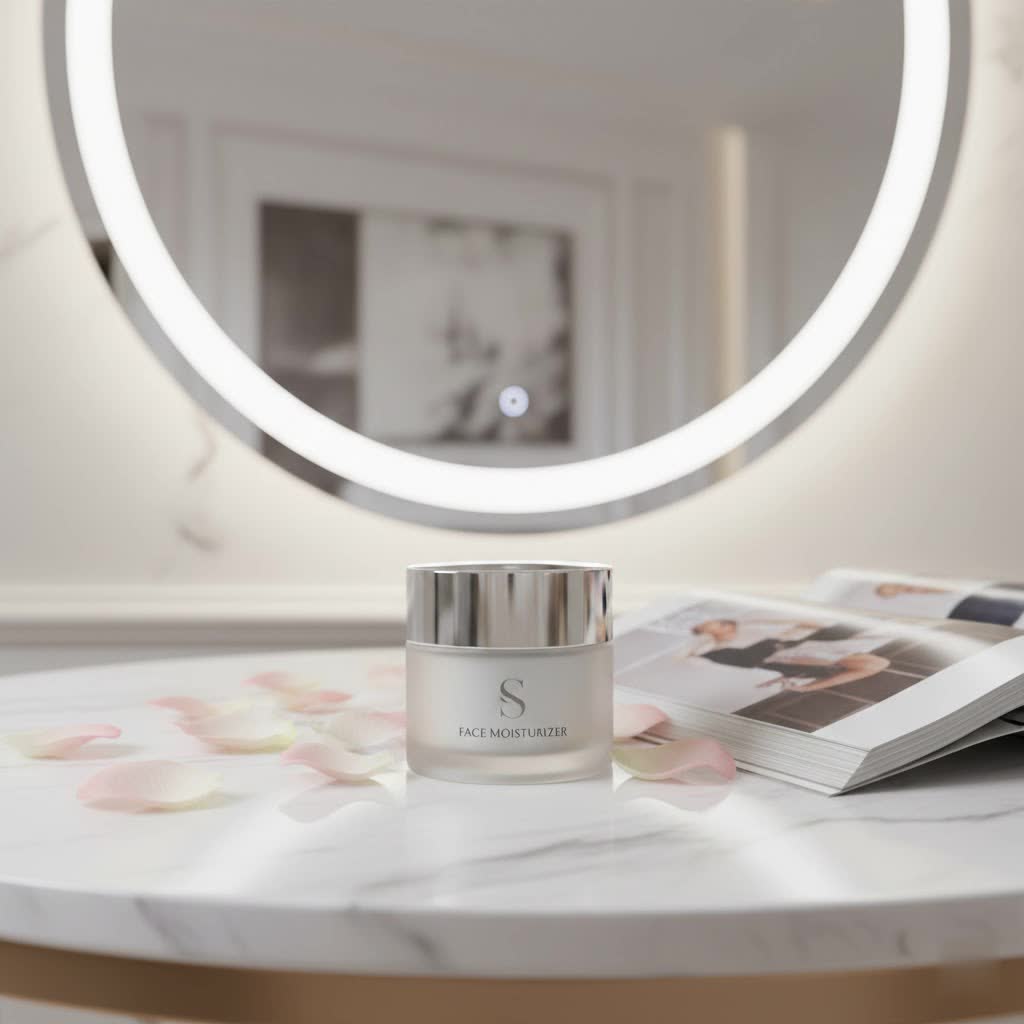
What is a Face Moisturizer? Why is it Essential for Sensitive Skin?
A face moisturizer is a skincare product designed to hydrate and protect the skin’s outer layer, known as the skin barrier. For sensitive skin, this barrier is often compromised, making it more susceptible to environmental aggressors, irritants, and moisture loss. Regular use of a well-chosen face moisturizer is paramount to strengthening this barrier, locking in hydration, and creating a protective shield against potential triggers. It helps to reduce dryness, calm inflammation, and restore the skin’s natural balance, leading to a healthier, more resilient complexion.
Different skin types have unique moisturizing needs. Sensitive skin often overlaps with other types like dry, oily, or combination skin, each requiring a specific approach. Dry, sensitive skin benefits from richer, emollient formulas, while oily, sensitive skin needs lightweight, non-comedogenic options that won’t clog pores or exacerbate breakouts. Understanding your specific skin concerns alongside its sensitivity is key to selecting the perfect product.
Key Ingredients in Face Moisturizers for Sensitive Skin
The effectiveness of any face moisturizer lies in its ingredient list, especially for sensitive skin. Certain components are celebrated for their ability to hydrate, soothe, and fortify the skin barrier without causing irritation.
Humectants (Moisture Magnets)
Humectants are ingredients that attract water from the air and deeper layers of the skin to the skin’s surface, providing immediate hydration.
- Glycerin: A common and highly effective humectant, glycerin is gentle and well-tolerated by most skin types, including sensitive skin.
- Hyaluronic Acid (HA): A powerful humectant capable of holding up to 1,000 times its weight in water, HA deeply hydrates and plumps the skin. Low molecular weight HA can penetrate deeper, while high molecular weight HA forms a hydrating film on the surface.
- Panthenol (Vitamin B5): Beyond its humectant properties, panthenol also acts as an emollient and has soothing, anti-inflammatory benefits, making it excellent for irritated sensitive skin.
|
Our Picks for the Best Face Moisturizer in 2026
As an Amazon Associate I earn from qualifying purchases.
|
||
| Num | Product | Action |
|---|---|---|
| 1 | L’Oreal Paris Collagen Daily Face Moisturizer, Anti Aging Face Cream to Reduce Wrinkles and Provide Intense Hydration, 1.7 oz |

|
| 2 | Neutrogena Fragrance Free Daily Facial Moisturizer, Face & Neck Moisturizer for Sensitive Skin with Vitamin B3, Pro-Vitamin B5 & Vitamin E Supports Skin's Dynamic Barrier, 3.4 fl. oz |
|
| 3 | La Roche-Posay Toleriane Double Repair UV SPF Moisturizer for Face, Daily Facial Moisturizer with Sunscreen SPF 30, Niacinamide and Glycerin, Oil Free, Moisturizing Sun Protection |
|
| 4 | Dr.Althea 345 Relief Cream - Moisturizer for Soothing Recovery and Blemish Care with PDRN & Niacinamide - Korean Vegan Skin Care for All Skin Types, 1.69 Fl Oz (Ver.2 - Pack of 1) |
|
| 5 | La Roche-Posay Toleriane Double Repair Face Moisturizer, Daily Moisturizer Face Cream with Ceramide & Niacinamide for All Skin Types, Immediate Comfort & Long Lasting Hydration, Fragrance Free |
|
| 6 | CeraVe Daily Moisturizing Lotion for Dry Skin, Body Lotion & Face Moisturizer with Hyaluronic Acid and Ceramides, Daily Moisturizer, Fragrance Free, Oil-Free, 12 Ounce |
|
| 7 | RoC Multi Correxion Even Tone + Lift 5-in-1 Daily Moisturizer, SPF 30, 1.7oz, Brightening, Firming, Hydrating, Paraben-free, Hypoallergenic |
|
| 8 | Tallow Face Cream Daytime – Brighten & Hydrate Moisturizer with Vitamin C, Peptides & Goji Berry Oil – Nourishing Grass-Fed Tallow Face Cream for Radiant, Smooth Skin – 2oz (57g) |
|
| 9 | La Roche-Posay Lipikar AP+ Triple Repair Moisturizing Cream - Face & Body Lotion For Dry Skin - Shea Butter & Niacinamide Moisturizer - Gentle Face & Body Cream For Dry, Rough & Sensitive Skin |
|
| 10 | Vanicream Daily Facial Moisturizer With Ceramides and Hyaluronic Acid - Formulated Without Common Irritants for Those with Sensitive Skin, 3 fl oz (Pack of 1) |
|
Emollients (Skin Softeners)
Emollients fill the gaps between skin cells, creating a smoother, softer surface and preventing water loss.
- Ceramides: These are lipids naturally found in the skin barrier. Replenishing ceramides helps to repair and strengthen a compromised barrier, crucial for sensitive skin.
- Shea Butter: A rich, natural emollient, shea butter provides intense moisture and has anti-inflammatory properties. It’s often found in thicker creams for very dry, sensitive skin.
- Squalane: A lightweight, non-comedogenic oil that mimics the skin’s natural sebum, squalane is an excellent emollient that hydrates without feeling heavy or greasy.
Occlusives (Moisture Lockers)
Occlusives form a protective layer on the skin’s surface, physically blocking water evaporation and sealing in moisture.
- Petrolatum (Vaseline): One of the most effective occlusives, petrolatum creates a strong barrier to prevent transepidermal water loss. Despite common misconceptions, it is non-comedogenic.
- Dimethicone/Silicones: These create a smooth, breathable film that locks in moisture without feeling heavy or greasy, making them suitable for various sensitive skin types.
Other Beneficial Ingredients for Sensitive Skin
Beyond hydration, certain ingredients actively soothe and protect sensitive skin.
- Niacinamide (Vitamin B3): This versatile ingredient helps improve skin barrier function, reduce redness, calm inflammation, and minimize pore appearance.
- Colloidal Oatmeal: Known for its anti-inflammatory and soothing properties, colloidal oatmeal is often recommended for sensitive skin, especially those prone to eczema or itching.
- Allantoin: A gentle, non-irritating ingredient that helps to soothe and protect the skin, promoting healing.
- Licorice Root Extract & Feverfew: These natural extracts possess potent anti-inflammatory and antioxidant properties, helping to reduce redness and irritation.
- Thermal Spring Water: Found in many French pharmacy brands, this water is often rich in minerals that can calm and protect sensitive skin.
Categorizing Face Moisturizers According to Skin Type
Even within the realm of sensitive skin, individual needs vary significantly. Selecting a moisturizer that aligns with your specific skin type is crucial for optimal results and to prevent unwanted reactions.
Dry Sensitive Skin
For those with dry and sensitive skin, the goal is intense hydration and barrier repair. Look for rich creams that contain a high concentration of emollients and occlusives. Ingredients like ceramides, hyaluronic acid, shea butter, and squalane are excellent choices. These formulas often have a thicker texture to provide lasting moisture and prevent flaking and tightness.
Oily Sensitive Skin
It’s a common misconception that oily skin doesn’t need moisturizer, especially if it’s sensitive. Oily sensitive skin requires lightweight, non-comedogenic (won’t clog pores) and oil-free formulas. Gel or lotion textures are usually ideal. Ingredients such as hyaluronic acid, glycerin, and niacinamide can provide hydration without adding excess oil. Look for labels that specifically state “oil-free” or “non-comedogenic.”
Combination Sensitive Skin
Combination skin presents a challenge with both oily and dry areas. For sensitive combination skin, a balanced approach is best. Opt for a medium-weight lotion or a gel-cream that can hydrate drier patches without exacerbating oiliness in the T-zone. Products with hyaluronic acid and ceramides are versatile choices that support overall barrier health. You might consider “skin cycling” or using different moisturizers for different areas.
Very Sensitive/Eczema-Prone Skin
This category demands the utmost care. Formulas should be extremely gentle, fragrance-free, dye-free, and often carry seals of approval from organizations like the National Eczema Association. Ceramides, colloidal oatmeal, petrolatum, and mineral oil are hero ingredients for soothing and protecting a severely compromised barrier. These moisturizers often have a thicker, balm-like consistency.
Normal Sensitive Skin
Even “normal” skin can experience sensitivity. For this type, the focus is on maintaining skin health and preventing future sensitivity. A well-rounded, medium-weight cream or lotion with a blend of humectants and emollients will suffice. Ensure it’s fragrance-free and free from common irritants to maintain skin balance.
Comparison Table of Popular Dermatologist-Recommended Face Moisturizers for Sensitive Skin
Choosing the right face moisturizer for sensitive skin can be overwhelming with the vast array of options. Here’s a comparison of some top dermatologist-recommended products, highlighting their key features to help you make an informed decision:
| Product Name | Key Ingredients | Suitable For | Pros | Cons | Approximate Price Range |
|---|---|---|---|---|---|
| CeraVe Daily Moisturizing Lotion | Ceramides, Hyaluronic Acid, Glycerin | All Sensitive Skin Types | Lightweight, non-comedogenic, NEA Seal, versatile for face/body | May not be rich enough for very dry skin | $ |
| Vanicream Daily Facial Moisturizer | Hyaluronic Acid, Squalane, Ceramides | All Sensitive Skin Types | Ultra-gentle, free of common irritants, non-greasy | Thicker texture might be less appealing for oily skin | $ |
| La Roche-Posay Toleriane Double Repair Face Moisturizer UV | Ceramides, Niacinamide, Glycerin, LRP Thermal Water, SPF 30 | Sensitive, Normal to Dry | Repairs barrier, soothes, lightweight, includes SPF | May feel too light for extremely dry skin; UV filters might irritate some | $$ |
| First Aid Beauty Ultra Repair Cream | Colloidal Oatmeal, Shea Butter, Allantoin | Dry, Eczema-Prone Sensitive | Deeply hydrating, soothes irritation, ideal for eczema | Rich texture might be heavy for oily skin | $$ |
| Aveeno Calm + Restore Oat Gel Moisturizer | Prebiotic Oat, Feverfew Extract | Oily, Combination, Sensitive | Lightweight gel texture, instantly calms redness, oil-free | May not provide enough hydration for very dry skin | $ |
| SkinCeuticals Triple Lipid Restore 2:4:2 | Ceramides, Cholesterol, Fatty Acids | Mature, Dry, Sensitive | Replenishes skin lipids, anti-aging benefits, luxurious feel | High price point, not ideal for oily skin | $$$ |
| Cetaphil Rich Hydrating Cream for Face | Hyaluronic Acid, Olive Extract, Vitamin E | Dry, Mature, Sensitive | Rich hydration, fragrance-free, non-comedogenic | Can be too heavy for oily or acne-prone sensitive skin | $ |
Price Range: $ = under $20, $$ = $20-$50, $$$ = over $50
How to Choose the Right Face Moisturizer for Sensitive Skin (Buying Guide)
Selecting the ideal face moisturizer requires a strategic approach, especially when dealing with sensitivity. Here’s a step-by-step guide to help you navigate the options:
1. Identify Your Specific Skin Type and Concerns
Before anything else, understand your skin. Is it oily, dry, combination, or normal, in addition to being sensitive? Do you also experience acne, rosacea, or eczema? “Knowing your skin’s unique needs is the first and most critical step,” notes Dr. Evelyn Reed, Board-Certified Dermatologist. This clarity will narrow down your options significantly.
2. Scrutinize the Ingredient List
This is non-negotiable for sensitive skin. Look for products that are:
- Fragrance-free: Fragrance is one of the most common irritants. Avoid both synthetic and natural fragrances.
- Dye-free: Artificial colors can also trigger reactions.
- Paraben-free: While parabens are approved preservatives, some sensitive individuals prefer to avoid them.
- Essential oil-free: Many essential oils, despite being natural, can be irritating.
- Non-comedogenic: This ensures the product won’t clog pores, especially important for oily or acne-prone sensitive skin.
- Hypoallergenic: This label indicates a lower likelihood of causing allergic reactions, though it’s not a guarantee.
Prioritize calming, barrier-repairing ingredients like ceramides, hyaluronic acid, glycerin, niacinamide, and colloidal oatmeal.
3. Research Reputable Brands and Dermatologist Recommendations
Stick to brands known for their sensitive skin lines, often found in pharmacies or recommended by dermatologists. Brands like CeraVe, La Roche-Posay, Vanicream, and Aveeno are frequently endorsed by skin experts due to their gentle, effective formulations. “Dermatologist-recommended products often undergo rigorous testing and are formulated with minimal irritants,” advises Dr. Marcus Thorne, Skincare Research Scientist.
4. Read User Reviews, But With Caution
While user reviews can offer insights into texture and general experience, remember that everyone’s skin is unique. What works for one person with sensitive skin might not work for another. Use reviews as a guide, not as definitive proof. Look for patterns in feedback, especially concerning irritation or soothing effects.
5. Always Perform a Patch Test (If Possible)
Before applying any new face moisturizer to your entire face, conduct a patch test. Apply a small amount to an inconspicuous area, like behind your ear or on your inner forearm, for a few days. If no redness, itching, or irritation occurs, it’s likely safe for facial use.
Effective Ways to Use Face Moisturizer for Sensitive Skin
Even the best face moisturizer won’t deliver optimal results if not applied correctly. For sensitive skin, a gentle and consistent application routine is key.
1. Optimal Timing for Application
Apply your face moisturizer twice daily: in the morning and in the evening.
- Morning: After cleansing and applying any serums, follow with moisturizer to hydrate and protect your skin throughout the day. If your moisturizer doesn’t contain SPF, apply a broad-spectrum sunscreen afterward.
- Evening: After cleansing and any nighttime treatments, apply moisturizer to support skin repair and hydration overnight. The skin’s repair processes are more active at night.
2. Step-by-Step Application for Enhanced Absorption
Always apply moisturizer to slightly damp skin. This helps to trap more water, enhancing hydration.
- Cleanse: Gently cleanse your face with a mild, low-pH cleanser.
- Treat (Optional): Apply any prescribed treatments or serums (e.g., hyaluronic acid, niacinamide serum) while your skin is still damp.
- Moisturize: Dispense a pea-sized to dime-sized amount of moisturizer onto your fingertips.
3. Appropriate Amount is Key
More isn’t always better, especially for sensitive skin. Using too much product can sometimes feel heavy or even lead to pilling. Start with a pea-sized amount and gently spread it evenly across your face and neck. Add a little more only if needed. The goal is even coverage, not a thick layer.
4. Gentle Massage for Better Absorption
Use clean fingertips to gently massage the moisturizer into your skin using upward and outward strokes. Avoid rubbing harshly or pulling at your skin, as this can exacerbate sensitivity and irritation. Allow the product to absorb fully before moving on to the next step, such as makeup or sunscreen.
Common Mistakes When Moisturizing Sensitive Skin
Even with the right product, improper application or habits can undermine your efforts to soothe sensitive skin. Avoiding these common pitfalls can significantly improve your skin’s health.
- Using a Moisturizer Not Suited for Your Skin Type: One of the biggest mistakes is using a product that’s too heavy for oily sensitive skin or too light for dry sensitive skin. This can lead to breakouts, clogged pores, or insufficient hydration and continued dryness.
- Skipping Cleansing Before Moisturizing: Applying moisturizer over uncleaned skin can trap dirt, oil, and bacteria, potentially leading to irritation or breakouts. Always start with a gentle cleanse to prepare your skin.
- Applying Too Much or Too Little Product: Over-applying can make your skin feel greasy and potentially clog pores. Under-applying means your skin isn’t receiving adequate hydration and protection, leaving it vulnerable to irritants.
- Lack of Consistency: Skincare is a marathon, not a sprint. Sporadic use of moisturizer, even a good one, won’t yield the desired results. Consistency is crucial for building and maintaining a strong, healthy skin barrier.
- Ignoring New Irritation: If a new moisturizer causes any stinging, redness, or discomfort, stop using it immediately. Your skin is trying to tell you something. Continuing to use an irritating product can further compromise your skin barrier.
- Using Products with Known Irritants: Forgetting to check for fragrances, dyes, or harsh alcohols can quickly undo any progress. Always double-check ingredient lists, even for products labeled “for sensitive skin.”
By being mindful of these common mistakes, you can optimize your moisturizing routine and ensure your sensitive skin receives the gentle care it deserves.
Conclusion
Finding the perfect face moisturizer for sensitive skin can transform your skincare journey from frustrating to fulfilling. It’s not just about adding hydration; it’s about rebuilding and reinforcing your skin’s natural defenses, soothing discomfort, and maintaining a healthy, resilient complexion. By prioritizing fragrance-free, hypoallergenic formulas rich in barrier-supporting ingredients like ceramides, hyaluronic acid, and niacinamide, you empower your skin to thrive. Remember to identify your specific skin type, diligently check ingredient lists, and apply your chosen moisturizer consistently and gently. With the right product and a thoughtful routine, you can confidently navigate environmental challenges and enjoy calm, radiant skin every day.
What’s the one ingredient you’ve found most effective in soothing your sensitive skin?
Frequently Asked Questions
What makes a face moisturizer “dermatologist recommended” for sensitive skin?
Dermatologist-recommended moisturizers for sensitive skin are typically formulated without common irritants like fragrance, dyes, and harsh alcohols. They often contain barrier-repairing ingredients such as ceramides, hyaluronic acid, and niacinamide, and undergo rigorous testing to ensure gentleness and efficacy, often bearing seals from recognized dermatological associations.
Can I use a face moisturizer for sensitive skin if I don’t have sensitive skin?
Yes, absolutely. Moisturizers designed for sensitive skin are generally gentler and free from harsh ingredients, making them an excellent choice for anyone looking to maintain a healthy skin barrier and prevent potential irritation. They provide effective hydration without unnecessary additives.
How often should I apply moisturizer if I have sensitive skin?
For sensitive skin, it’s generally recommended to apply moisturizer twice a day – once in the morning and once in the evening – after cleansing. This consistent application helps to maintain skin hydration, strengthen the skin barrier, and provide continuous protection against environmental stressors.
Are natural ingredients always better for sensitive skin?
Not necessarily. While many natural ingredients are beneficial, some, like certain essential oils or plant extracts, can be potent allergens or irritants for sensitive skin. It’s crucial to look for gentle and non-irritating ingredients, whether natural or synthetic, and always perform a patch test.
What should I do if a new moisturizer causes a reaction on my sensitive skin?
If a new moisturizer causes any irritation, redness, stinging, or breakouts, discontinue use immediately. Gently cleanse your face with a mild, soothing cleanser and apply a known calming product, such as pure aloe vera or a gentle barrier cream you’ve used before. If symptoms persist, consult a dermatologist.
