If your skin often feels tight, flaky, or even itchy, you understand the unique challenges of very dry skin. It’s a constant quest to find that perfect product that offers genuine, lasting relief. Unlike merely dehydrated skin, which lacks water, very dry skin struggles with insufficient natural oil production, leading to a compromised skin barrier and a feeling of perpetual discomfort. This article will be your comprehensive guide to navigating the world of face moisturizers, helping you pinpoint formulations, ingredients, and application techniques specifically tailored to bring profound comfort and radiance to even the driest complexions.
What is Face Moisturizer and Why is it Essential for Very Dry Skin?
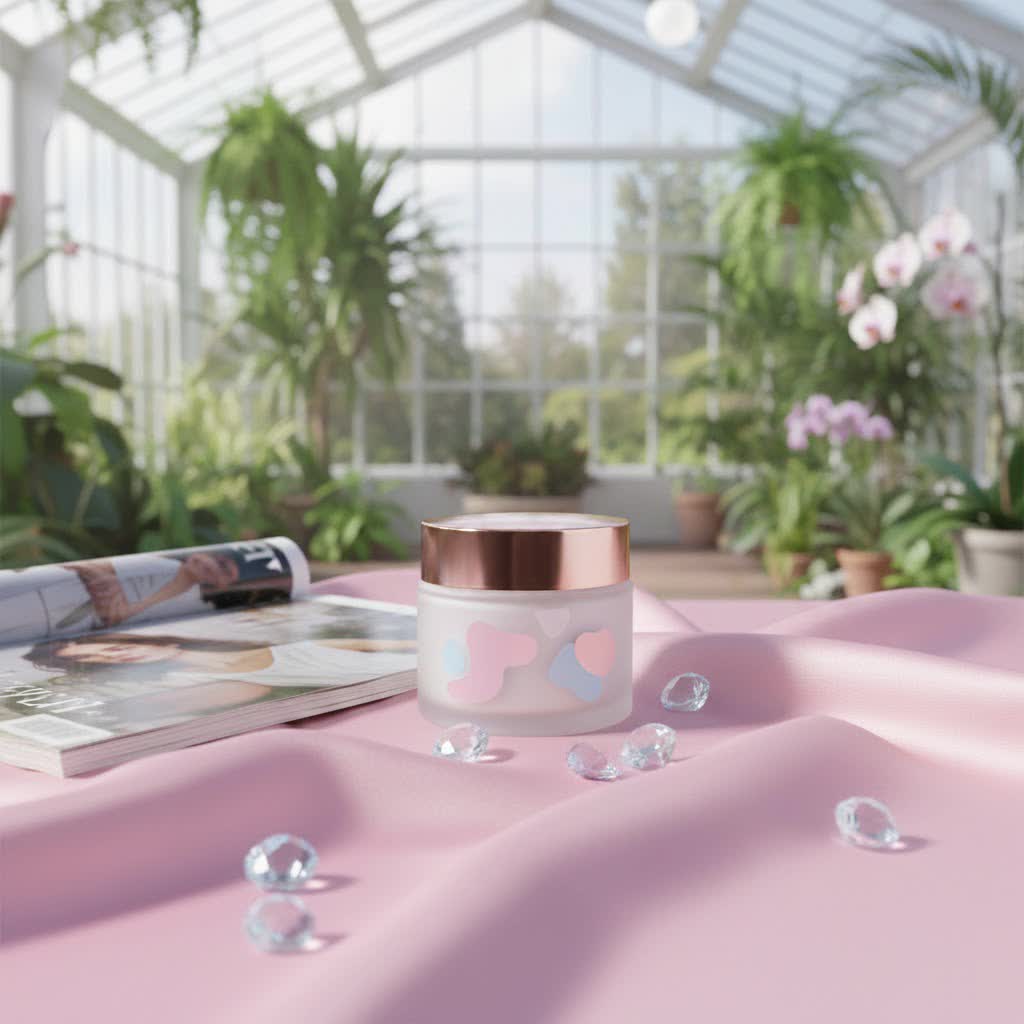
A face moisturizer is a skincare product designed to hydrate and protect the skin’s outermost layer, known as the skin barrier. For very dry skin, moisturizers are not just a luxury; they are a fundamental necessity. This skin type lacks the natural lipids and oils required to maintain a strong, intact barrier, making it vulnerable to moisture loss and environmental aggressors. Without adequate moisturization, very dry skin can experience increased sensitivity, redness, flaking, and a dull, rough texture. Regular and effective moisturizing helps to replenish lost lipids, reinforce the skin barrier, and create a protective seal that locks in essential hydration, leading to a smoother, healthier, and more resilient complexion.
Key Ingredients for Superior Hydration in Very Dry Skin Moisturizers
Choosing the right moisturizer for very dry skin hinges on understanding its core ingredients. These can be broadly categorized into humectants, emollients, and occlusives, each playing a vital role in restoring and maintaining skin health. Many effective moisturizers will contain a blend of these to provide comprehensive care.
Humectants: Attracting Moisture
Humectants are like magnets for water. They draw moisture from the environment and from deeper layers of the skin, binding it to the skin’s surface. This immediate boost of hydration is crucial for dry skin that feels parched.
- Glycerin: A highly common and effective humectant that is well-tolerated by most skin types.
- Hyaluronic Acid: Capable of holding up to 1,000 times its weight in water, it provides intense surface hydration.
- Urea: Not only a potent humectant but also a mild exfoliant, helping to soften rough, flaky skin.
- Lactic Acid: A gentle alpha-hydroxy acid (AHA) that hydrates while helping to shed dead skin cells.
|
Our Picks for the Best Face Moisturizer in 2026
As an Amazon Associate I earn from qualifying purchases.
|
||
| Num | Product | Action |
|---|---|---|
| 1 | Vanicream Daily Facial Moisturizer With Ceramides and Hyaluronic Acid - Formulated Without Common Irritants for Those with Sensitive Skin, 3 fl oz (Pack of 1) |

|
| 2 | Tallow Face Cream Daytime – Brighten & Hydrate Moisturizer with Vitamin C, Peptides & Goji Berry Oil – Nourishing Grass-Fed Tallow Face Cream for Radiant, Smooth Skin – 2oz (57g) |
|
| 3 | RoC Multi Correxion Even Tone + Lift 5-in-1 Daily Moisturizer, SPF 30, 1.7oz, Brightening, Firming, Hydrating, Paraben-free, Hypoallergenic |
|
| 4 | La Roche-Posay Toleriane Double Repair Face Moisturizer, Daily Moisturizer Face Cream with Ceramide & Niacinamide for All Skin Types, Immediate Comfort & Long Lasting Hydration, Fragrance Free |
|
| 5 | Neutrogena Fragrance Free Daily Facial Moisturizer, Face & Neck Moisturizer for Sensitive Skin with Vitamin B3, Pro-Vitamin B5 & Vitamin E Supports Skin's Dynamic Barrier, 3.4 fl. oz |
|
| 6 | La Roche-Posay Lipikar AP+ Triple Repair Moisturizing Cream - Face & Body Lotion For Dry Skin - Shea Butter & Niacinamide Moisturizer - Gentle Face & Body Cream For Dry, Rough & Sensitive Skin |
|
| 7 | L’Oreal Paris Collagen Daily Face Moisturizer, Anti Aging Face Cream to Reduce Wrinkles and Provide Intense Hydration, 1.7 oz |
|
| 8 | Dr.Althea 345 Relief Cream - Moisturizer for Soothing Recovery and Blemish Care with PDRN & Niacinamide - Korean Vegan Skin Care for All Skin Types, 1.69 Fl Oz (Ver.2 - Pack of 1) |
|
| 9 | CeraVe Daily Moisturizing Lotion for Dry Skin, Body Lotion & Face Moisturizer with Hyaluronic Acid and Ceramides, Daily Moisturizer, Fragrance Free, Oil-Free, 12 Ounce |
|
| 10 | La Roche-Posay Toleriane Double Repair UV SPF Moisturizer for Face, Daily Facial Moisturizer with Sunscreen SPF 30, Niacinamide and Glycerin, Oil Free, Moisturizing Sun Protection |
|
Emollients: Softening and Smoothing
Emollients fill the gaps between skin cells, smoothing the skin’s surface and improving its texture. They also help to restore the skin barrier, making it more flexible and preventing further moisture loss.
- Ceramides: These are natural lipids that make up about half of the skin’s outer layer. Supplementing with ceramides (e.g., Ceramide 1, 3, 6-II) helps rebuild a damaged skin barrier.
- Shea Butter: A rich, plant-derived fat known for its intense moisturizing and barrier-restoring properties.
- Squalane: A lightweight, non-comedogenic oil that mimics the skin’s natural lipids, providing excellent emollient benefits.
- Plant Oils (e.g., Jojoba, Sunflower, Evening Primrose): These oils deliver fatty acids and vitamins, nourishing the skin and enhancing its natural barrier.
Occlusives: Locking in Hydration
Occlusives form a protective, breathable seal on the skin’s surface, physically preventing water from evaporating. This sealing action is indispensable for very dry skin, ensuring that the moisture delivered by humectants and emollients stays locked in.
- Petrolatum (Petroleum Jelly): One of the most effective occlusives, it forms a highly protective barrier.
- Dimethicone: A silicone-based ingredient that provides a smooth feel and an effective occlusive barrier without feeling heavy.
- Lanolin: A natural wax derived from sheep’s wool, known for its strong occlusive and emollient properties.
- Beeswax: A natural wax that helps to create a protective layer on the skin, reducing transepidermal water loss.
Additional Beneficial Ingredients
Beyond the core categories, other ingredients can significantly boost a moisturizer’s efficacy for very dry skin.
- Niacinamide (Vitamin B3): A versatile ingredient that improves skin barrier function, reduces redness, and offers antioxidant benefits.
- Panthenol (Vitamin B5): Known for its soothing and repairing properties, it helps calm irritated, dry skin.
- Antioxidants (e.g., Vitamin E, Vitamin C, Green Tea Extract): These ingredients protect the skin from environmental damage, which can exacerbate dryness and sensitivity.
Choosing the Right Face Moisturizer for Very Dry Skin Types
Selecting the ideal moisturizer involves understanding your specific skin needs and scrutinizing product labels. The goal is to find a product that not only hydrates but also supports the skin’s natural protective mechanisms.
Understanding Your Skin’s Needs
Begin by truly understanding what “very dry skin” means for you. This skin type typically produces very little oil, leading to a dull, rough, or even scaly texture, often accompanied by tightness and discomfort. It’s important to distinguish this from dehydrated skin, which simply lacks water but can still produce oil (and thus can be oily and dehydrated simultaneously). For very dry skin, you need a moisturizer that actively replenishes lipids and prevents significant moisture loss.
Decoding Product Labels
When examining labels, prioritize these attributes:
- Fragrance-Free: Fragrances, both natural and synthetic, are common irritants for sensitive, very dry skin.
- Non-Comedogenic: This means the product is formulated not to clog pores, reducing the risk of breakouts.
- Dermatologist-Tested/Recommended: Products backed by dermatologists often indicate careful formulation for sensitive and problematic skin types.
- Allergy-Tested: Another indicator that the product is less likely to cause adverse reactions.
Texture Matters
For very dry skin, texture is key.
- Creams: Generally richer and thicker than lotions, creams are often oil-in-water emulsions, providing substantial hydration. Many “best for dry skin” products fall into this category.
- Ointments: The heaviest and most occlusive option, ointments are typically water-in-oil emulsions. They create a strong protective barrier and are excellent for extremely dry, cracked, or compromised skin.
- Lotions: Lighter and more fluid, lotions are typically water-based and may not provide enough occlusive power for very dry skin unless formulated with a high concentration of emollients. They might be suitable for slightly dry areas or warmer climates.
Brand Reputation
Several brands consistently receive high marks from dermatologists and users with very dry skin for their effective, gentle formulations. Brands like CeraVe, La Roche-Posay, Cetaphil, and Vanicream are frequently recommended for their focus on barrier repair and use of beneficial ingredients like ceramides and hyaluronic acid, often without common irritants. Exploring options from trusted Korean and Japanese beauty brands like Curél or Aestura can also uncover highly effective, innovative formulations.
Top Face Moisturizers for Very Dry Skin: A Comparative Look
While specific product recommendations can vary with individual skin chemistry and formulations evolve, several types of moisturizers consistently deliver for very dry skin. These products typically share common characteristics: rich textures, a blend of hydrating and barrier-supporting ingredients, and a commitment to being free from potential irritants.
For profound hydration and barrier restoration, look for rich barrier repair creams. These are often packed with a synergistic blend of ceramides, hyaluronic acid, and glycerin, combined with occlusives to seal everything in. Examples often include CeraVe Moisturizing Cream or La Roche-Posay Lipikar AP+M Triple Repair Cream, which are known for their ability to significantly improve skin hydration and comfort for very dry and even eczema-prone skin. Similarly, Vanicream Moisturizing Cream is a beloved option, particularly for extremely sensitive and very dry complexions, thanks to its minimalist, free-from-irritants formula.
If you’re seeking to address both dryness and signs of aging, consider nourishing anti-aging options. These moisturizers incorporate rich lipids, peptides, and potent antioxidants to not only hydrate but also support skin elasticity and firmness. They help replenish naturally depleted lipids that occur with age, reinforcing the skin’s structure.
For those with sensitive and eczema-prone very dry skin, the emphasis shifts even further towards gentle, fragrance-free, and dye-free formulations. Products that prioritize a limited number of well-tolerated ingredients, such as those from Cetaphil or specially formulated lines for sensitive skin, are often the best choice. These typically focus on core barrier-strengthening ingredients without any potential triggers.
K-Beauty innovations also offer exciting avenues for very dry skin. Brands like Curél and Aestura often feature advanced ceramide complexes and fermented ingredients designed to deeply nourish and strengthen the skin barrier with elegant textures that absorb beautifully despite their richness.
How to Maximize Your Moisturizer’s Efficacy for Very Dry Skin
Even the best moisturizer needs proper application to work its magic. Optimizing your routine can dramatically improve results for very dry skin.
Optimal Application Timing
The golden rule for moisturizing very dry skin is to apply it when your skin is still damp. After cleansing or showering, gently pat your face, leaving a slight film of water. Applying your moisturizer at this moment helps to trap that surface water, driving hydration deeper into the skin. Ideally, this should be done both in the morning and at night.
The Right Amount
While it might seem intuitive to slather on a thick layer, the “right” amount can vary. For very dry skin, a generous, even layer is usually beneficial. Start with a pea-sized amount for your face and neck, and gently spread it. If your skin still feels tight or absorbs it quickly, add a little more. The goal is a comfortable, hydrated feeling, not a greasy one.
Layering with Serums and Oils
For an extra boost, consider layering. After cleansing and before your moisturizer, apply a hydrating serum (like one with hyaluronic acid). For an intense treatment, especially at night, you can also press a few drops of a nourishing facial oil (e.g., squalane, argan, or rosehip oil) over your moisturizer to provide an additional occlusive layer and extra emollient benefits.
Don’t Forget SPF
Even with very dry skin, sun protection is paramount. For your morning routine, always finish with a broad-spectrum sunscreen of SPF 30 or higher. Some excellent face moisturizers for dry skin also come with integrated SPF, streamlining your morning routine. If yours doesn’t, apply a separate sunscreen as the final step.
Common Moisturizing Mistakes to Avoid for Very Dry Skin
Even with the best intentions, certain habits can inadvertently sabotage your efforts to hydrate very dry skin. Awareness of these common pitfalls can help you achieve better results.
One of the most frequent mistakes is using a moisturizer that is too lightweight for your skin type. If your skin is very dry, a light lotion likely won’t provide the rich emollients and occlusives needed to repair your barrier and prevent significant moisture loss. Always opt for creams or even ointments.
Another common error is applying moisturizer to dry skin. As discussed, applying to slightly damp skin dramatically enhances absorption and efficacy. Don’t wait for your skin to be completely air-dry after cleansing; apply within a minute or two.
Bypassing the cleansing step before moisturizing can also be counterproductive. While you might worry about stripping your skin, a gentle, hydrating cleanser is essential to remove impurities and prepare the skin for optimal moisturizer absorption. Look for cream or oil-based cleansers that don’t leave your skin feeling tight or squeaky.
Inconsistent use is another major setback. Very dry skin requires a consistent routine to rebuild and maintain its barrier. Skipping days or only moisturizing when your skin feels particularly bad won’t yield long-term improvement. Make it a twice-daily ritual.
Lastly, ignoring potential irritants in your moisturizer, such as fragrances, dyes, or harsh alcohols, can exacerbate dryness and sensitivity, creating a vicious cycle. Always choose products explicitly formulated for sensitive and very dry skin.
“For those with very dry skin, consistency is truly the unsung hero. A high-quality moisturizer applied regularly on damp skin can transform a compromised barrier into a resilient shield, offering profound relief and a lasting glow.” – Admin, reviewcanho.com
Conclusion
Navigating the landscape of face moisturizers for very dry skin can feel overwhelming, but armed with the right knowledge, you can unlock a world of comfort and radiance. The key lies in understanding your skin’s unique needs, prioritizing ingredients that attract, soften, and lock in moisture, and committing to a consistent, gentle routine. By embracing rich, barrier-supporting formulations and avoiding common pitfalls, you can transform your very dry skin from a source of discomfort into a testament to healthy, glowing vitality. What is one small change you can make to your moisturizing routine today to give your very dry skin the care it truly deserves?
Frequently Asked Questions
How often should I apply moisturizer if I have very dry skin?
For very dry skin, it’s highly recommended to apply moisturizer twice daily, in the morning and evening, immediately after cleansing while your skin is still damp. Consistent application helps to continuously replenish the skin’s moisture barrier and prevent transepidermal water loss.
Can I use a body cream on my face if it’s very dry?
Many body creams, especially those designed for very dry or eczema-prone skin (like Cetaphil or CeraVe creams), are often formulated with similar gentle, rich, and fragrance-free ingredients suitable for the face. Always check the label to ensure it’s non-comedogenic and intended for sensitive skin.
What’s the difference between dry and dehydrated skin?
Dry skin is a skin type characterized by a lack of natural oil (lipids), leading to flakiness, tightness, and a rough texture. Dehydrated skin, on the other hand, is a temporary condition caused by a lack of water, which can affect any skin type (even oily skin), often presenting as dullness, tightness, and fine lines.
Why does my skin still feel tight after moisturizing?
If your skin still feels tight after moisturizing, it could be due to several reasons: the moisturizer might not be rich enough for your very dry skin, you might not be applying it to damp skin, or your skin barrier is severely compromised and requires more intensive care with richer, occlusive products and consistent application.
