Achieving a healthy, glowing complexion begins with understanding what you put on your skin. In a world saturated with synthetic ingredients, choosing a natural face moisturizer can be a game-changer for long-term skin health. If you’ve ever felt overwhelmed by product labels or unsure which moisturizer is right for you, you’re not alone. This comprehensive guide will explore the power of nature in skincare, helping you find the perfect natural face moisturizer to nourish and protect your skin.
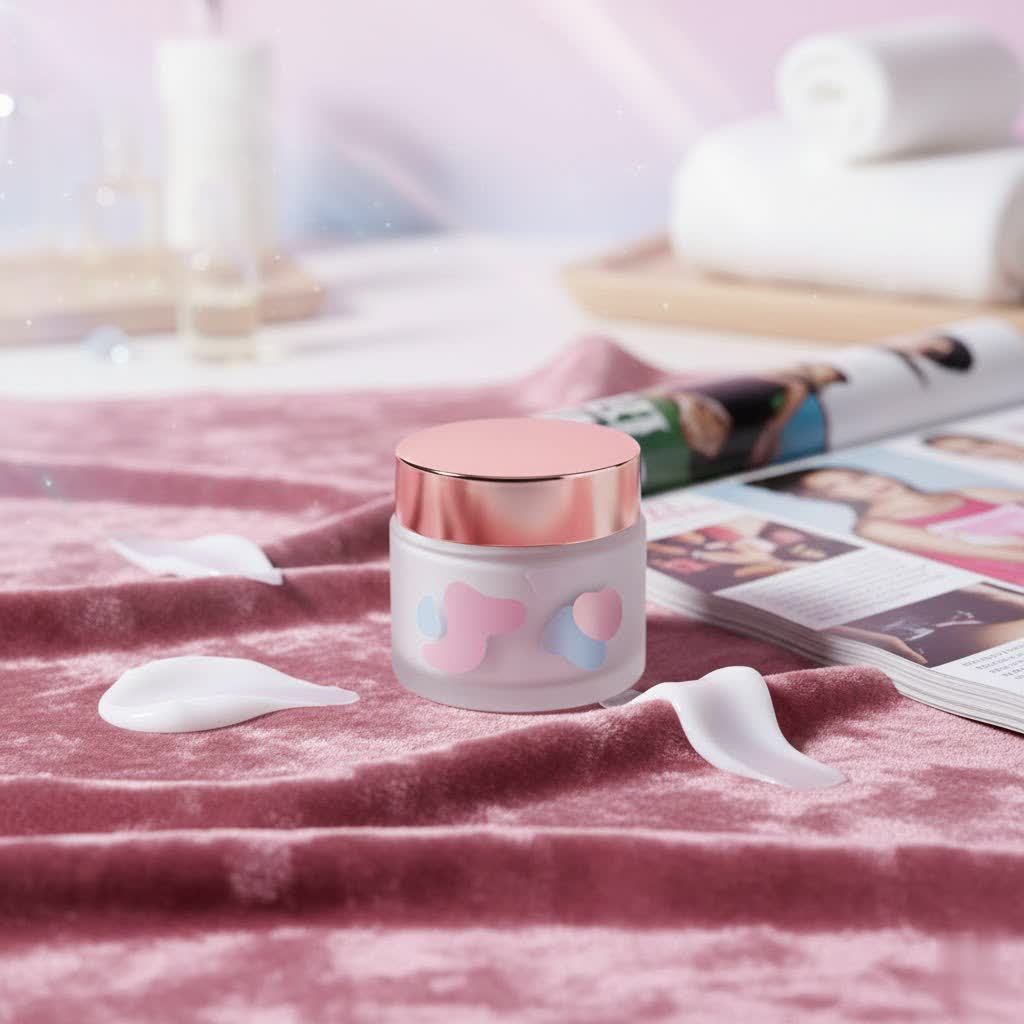
What is a Natural Face Moisturizer? Why is it Essential?
A natural face moisturizer is a skincare product formulated primarily with plant-based ingredients, minerals, and naturally occurring compounds. Unlike conventional moisturizers that might contain harsh synthetic additives, these natural alternatives leverage the power of botanical extracts, beneficial oils, and natural humectants to hydrate and support skin health.
Moisturizing is a cornerstone of any effective skincare routine because it helps maintain the skin’s natural barrier, supports elasticity, and protects against daily environmental stressors. Healthy skin is not merely about chasing perfection or following every trend; it is about balance, nourishment, and consistency. Using ingredients derived from nature can support your skin barrier, improve hydration, and reduce irritation over time.
Different skin types have distinct needs, and understanding these is crucial. For instance, dry skin typically lacks both water and oil, requiring rich formulations. Oily skin, surprisingly, still needs hydration; skipping moisturizer can signal the skin to overproduce oil. Sensitive skin demands gentle, calming ingredients, while combination skin seeks balance. A well-chosen natural moisturizer works harmoniously with your skin’s innate processes, providing hydration and protection without overwhelming it.
Key Ingredients in Natural Face Moisturizers
The effectiveness of a natural face moisturizer lies in its ingredients. These can be broadly categorized by how they interact with your skin: drawing in moisture, softening the skin, or sealing hydration.
Humectants (Moisture-Attracting)
Humectants are ingredients that attract and draw moisture from the environment into the skin, plumping it up and enhancing hydration.
- Glycerin: A naturally derived humectant that effectively attracts and holds moisture.
- Hyaluronic Acid / Sodium Hyaluronate: Known for its remarkable ability to hold up to 1,000 times its weight in water, helping to plump the skin and improve elasticity.
- Aloe Vera: A soothing, plant-based humectant that provides lightweight hydration and supports skin repair.
- Honey: A natural humectant that draws hydration into the skin, calms inflammation, and supports skin clarity.
|
Our Picks for the Best Face Moisturizer in 2026
As an Amazon Associate I earn from qualifying purchases.
|
||
| Num | Product | Action |
|---|---|---|
| 1 | Dr.Althea 345 Relief Cream - Moisturizer for Soothing Recovery and Blemish Care with PDRN & Niacinamide - Korean Vegan Skin Care for All Skin Types, 1.69 Fl Oz (Ver.2 - Pack of 1) |

|
| 2 | Vanicream Daily Facial Moisturizer With Ceramides and Hyaluronic Acid - Formulated Without Common Irritants for Those with Sensitive Skin, 3 fl oz (Pack of 1) |
|
| 3 | Tallow Face Cream Daytime – Brighten & Hydrate Moisturizer with Vitamin C, Peptides & Goji Berry Oil – Nourishing Grass-Fed Tallow Face Cream for Radiant, Smooth Skin – 2oz (57g) |
|
| 4 | Neutrogena Fragrance Free Daily Facial Moisturizer, Face & Neck Moisturizer for Sensitive Skin with Vitamin B3, Pro-Vitamin B5 & Vitamin E Supports Skin's Dynamic Barrier, 3.4 fl. oz |
|
| 5 | La Roche-Posay Toleriane Double Repair UV SPF Moisturizer for Face, Daily Facial Moisturizer with Sunscreen SPF 30, Niacinamide and Glycerin, Oil Free, Moisturizing Sun Protection |
|
| 6 | CeraVe Daily Moisturizing Lotion for Dry Skin, Body Lotion & Face Moisturizer with Hyaluronic Acid and Ceramides, Daily Moisturizer, Fragrance Free, Oil-Free, 12 Ounce |
|
| 7 | La Roche-Posay Lipikar AP+ Triple Repair Moisturizing Cream - Face & Body Lotion For Dry Skin - Shea Butter & Niacinamide Moisturizer - Gentle Face & Body Cream For Dry, Rough & Sensitive Skin |
|
| 8 | La Roche-Posay Toleriane Double Repair Face Moisturizer, Daily Moisturizer Face Cream with Ceramide & Niacinamide for All Skin Types, Immediate Comfort & Long Lasting Hydration, Fragrance Free |
|
| 9 | L’Oreal Paris Collagen Daily Face Moisturizer, Anti Aging Face Cream to Reduce Wrinkles and Provide Intense Hydration, 1.7 oz |
|
| 10 | RoC Multi Correxion Even Tone + Lift 5-in-1 Daily Moisturizer, SPF 30, 1.7oz, Brightening, Firming, Hydrating, Paraben-free, Hypoallergenic |
|
Emollients (Skin-Softening)
Emollients work to fill gaps in the skin barrier, making the skin feel smoother, softer, and more supple.
- Ceramides: Lipids that are essential building blocks for a healthy skin barrier, helping it retain moisture and protect against external aggressors.
- Plant Oils (Jojoba, Argan, Sunflower, Rosehip):
- Jojoba Oil: A wax ester that closely mimics the skin’s natural sebum, balancing oil production and absorbing easily without clogging pores.
- Argan Oil: Rich in vitamins and fatty acids, it nourishes and softens the skin.
- Rosehip Seed Oil: High in linoleic acid and Vitamin A, it improves skin texture, supports an even skin tone, and helps reduce the appearance of fine lines.
- Squalane: A lightweight, non-comedogenic oil that helps lock in moisture and support the skin barrier. It’s easily absorbed by all skin types.
Occlusives (Moisture-Sealing)
Occlusives form a protective layer on the skin’s surface, sealing in moisture and reducing transepidermal water loss (TEWL).
- Natural Waxes (Beeswax, Carnauba Wax): Help create a breathable barrier that seals in hydration.
- Shea Butter: Derived from shea tree nuts, it is rich and deeply nourishing, locking in moisture and softening rough skin. It can also function as an emollient.
- Cocoa Butter: Similar to shea butter, it provides rich, long-lasting hydration and can help soften severely dry skin.
Other Beneficial Ingredients
Beyond these core categories, many natural moisturizers include ingredients with targeted benefits.
- Vitamins (C, E): Vitamin C is an anti-inflammatory powerhouse that slows aging, prevents sun damage, and improves the appearance of wrinkles and dark spots. Vitamin E is a potent antioxidant that protects against environmental damage.
- Antioxidants (Green Tea Extract, Spirulina, Matcha): Protect the skin from free radicals and environmental damage, reduce redness, and support overall skin balance.
- Peptides: Amino acid chains that signal the skin to produce more collagen, improving firmness and reducing fine lines.
- Bakuchiol: A plant-derived retinol alternative that helps smooth and reinforce the skin’s barrier function without the irritation sometimes associated with traditional retinol.
Finding Your Perfect Match: Natural Moisturizers by Skin Type
Choosing the right natural face moisturizer means understanding your unique skin type and its specific needs. What works wonders for dry skin might feel too heavy for oily skin, and vice-versa.
Dry Skin
Dry skin often feels tight, flaky, and may appear dull. It benefits from rich, creamy moisturizers that provide intense hydration and seal in moisture effectively. Look for formulations abundant in:
- Hyaluronic Acid and Squalane to draw and lock in moisture.
- Shea Butter, Avocado Oil, and other nourishing plant oils to replenish lipids.
- Creams with a thick, decadent texture that restores the skin barrier.
Oily Skin
Those with oily skin may shy away from moisturizers, but hydration is key to prevent the skin from overproducing oil. Lightweight, non-comedogenic (non-pore-clogging) formulas are ideal.
- Jojoba Oil helps balance oil production because it closely mimics the skin’s natural sebum.
- Aloe Vera and Green Tea Extract provide lightweight hydration and anti-inflammatory benefits without feeling greasy.
- Tea Tree Oil or Witch Hazel can help control excess oil and keep pores clean.
- Opt for gel or light lotion textures that absorb quickly.
Combination Skin
Combination skin presents a unique challenge, with both oily and dry areas. The best approach is often a balanced moisturizer that hydrates without over-moisturizing the T-zone or leaving dry patches wanting.
- Lightweight oils like Jojoba oil can normalize oil production.
- Aloe Vera and Hyaluronic Acid offer balanced hydration without heaviness.
- Seek formulations that are adaptable, providing hydration where needed and controlling shine elsewhere.
Sensitive Skin
Sensitive skin reacts easily to harsh ingredients, often manifesting as redness, itching, or inflammation. It requires gentle, minimalist formulations free from potential irritants.
- Ceramides and Squalane help replenish the skin’s natural barrier and soothe.
- Aloe Vera, Chamomile, and Oat Extract are known for their calming and anti-inflammatory properties.
- Always choose unscented formulas, as even natural essential oils can sometimes trigger reactions.
- Soft, fragrance-free creams with minimal ingredients are typically the safest bet.
“For sensitive skin, simplicity is key. Look for products with fewer ingredients and always patch test to avoid irritation.”
Normal Skin
If you have normal skin, congratulations! Your skin is generally balanced, with adequate moisture and minimal oiliness or dryness. Your goal is to maintain this natural equilibrium.
- Jojoba Oil, Aloe Vera, and Squalane are excellent for maintaining natural hydration and supporting the skin barrier.
- Versatile, hydrating formulas that are not too heavy or too light work well.
Mature Skin
Mature skin often requires extra hydration and ingredients that support firmness and address visible signs of aging.
- Peptides help promote collagen production for improved elasticity.
- Bakuchiol acts as a gentle retinol alternative, reducing the appearance of fine lines and wrinkles.
- Vitamin C and Rosehip Oil provide antioxidant protection and improve skin texture and tone.
- Look for richer creams that offer deep nourishment and help restore skin’s resilience.
Popular Natural Face Moisturizers: A Comparative Look
Choosing from the myriad of natural face moisturizers can be daunting. Here’s a brief look at some popular types and what they offer, providing examples from the market. This table aims to highlight ingredient focus and suitability.
| Brand Example | Key Ingredients | Suitable Skin Type | Pros | Cons | Price Range |
|---|---|---|---|---|---|
| Alpyn Barrier Repair Cream | Ceramides, Peptides, Ghostberry | Dry, Sensitive | Rich, restorative, unscented, barrier-focused | Higher price point | Premium |
| Osea Atmosphere Protection Cream | Seaweed extract, Shea butter, Macadamia seed oil | All skin types | Lightweight, pollution barrier, hydrating | Contains essential oils (EWG rating 3) | Mid-Premium |
| Cocokind Texture Smoothing Cream | Cucumber, Squalane, Hyaluronic Acid | All skin types | Lightweight, quick-absorbing, plumping, affordable | Light cucumber scent (may not suit all) | Affordable |
| THERAPI Honey Skincare Propolis + Ultra Radiance Cream | Propolis, Vitamins, Minerals | Sensitive, Dry, Mature | Rich, decadent, highly healing and soothing | Richer texture (may be heavy for oily) | Premium |
| Ursa Major Golden Hour Recovery Cream | Aloe Vera, Sea Buckthorn, Calendula | All skin types | Rich, fast-absorbing, soothing, nourishing | Contains essential oils (EWG rating 2) | Mid-Range |
| Honest Hydrogel Cream | Squalane, Jojoba, Hyaluronic Acid | All skin types | Bouncy gel texture, dewy finish, affordable, refillable | Very lightweight (may not suffice for very dry) | Affordable |
Note: Price ranges are indicative and can vary based on retailer and product size.
Your Guide to Choosing the Best Natural Face Moisturizer
Selecting the ideal natural face moisturizer involves a few critical steps to ensure it genuinely benefits your skin and aligns with your values.
Understand Your Skin Type
Before anything else, accurately identify your skin type: dry, oily, combination, sensitive, or normal. This fundamental step will guide you toward formulations designed to address your specific concerns. You can observe how your skin feels a few hours after cleansing without any products: tight and flaky (dry), shiny all over (oily), shiny in T-zone with dry cheeks (combination), or balanced (normal).
Decipher Ingredient Lists
Become an expert label reader. A genuinely natural moisturizer will feature recognizable plant-based ingredients at the top of its list. Conversely, be vigilant about ingredients to avoid:
- Parabens: Linked to hormone disruption.
- Phthalates: Often hidden in “fragrance.”
- Artificial Fragrance (Fragrance / Parfum): A common irritant and allergen, can mask undisclosed chemicals.
- Mineral Oil & Petroleum-Based Ingredients: While they feel moisturizing, they don’t nourish and can clog pores.
- Harsh Preservatives & Irritants: Such as formaldehyde releasers or certain sulfates, which can disrupt the skin barrier.
Research Brands
Look for brands committed to transparency, ethical sourcing, and sustainable practices. Certifications like EWG-Verified or MADE SAFE can indicate a product’s adherence to stricter clean ingredient standards. A reputable brand will openly share information about its ingredient sourcing and manufacturing processes.
Read Reviews from Users
User reviews can offer invaluable insights into how a product performs in real-world scenarios for various skin types. Pay attention to common themes regarding texture, scent, efficacy, and any reported sensitivities. However, remember that individual experiences can vary.
Patch Test New Products
Even with the cleanest ingredients, individual sensitivities can occur. Before applying a new moisturizer to your entire face, perform a patch test on a small, inconspicuous area (like behind your ear or on your inner arm) for 24-48 hours. This helps identify any adverse reactions.
Consider Climate and Season
Your skin’s needs can change with the weather. In dry, cold winter months, a richer, more occlusive cream might be necessary to combat moisture loss. During humid summers, a lighter gel or lotion might be more comfortable and prevent congestion. Adjusting your moisturizer seasonally ensures your skin remains balanced year-round.
Mastering Application: How to Use Your Natural Face Moisturizer Effectively
Even the best natural face moisturizer won’t deliver optimal results if not applied correctly. Incorporating it seamlessly into your daily routine is crucial.
Optimal Timing
For maximum benefit, apply your natural face moisturizer twice daily: once in the morning and once in the evening. This consistent application helps maintain your skin’s hydration levels around the clock.
Step-by-Step Application
- Cleanse: Always start with a gentle, natural cleanser to remove dirt, oil, and impurities.
- Tone/Treat (Optional): If you use a toner or serum, apply these first to clean skin. They prepare your skin to better absorb subsequent products.
- Moisturize: While your skin is still slightly damp from cleansing or serum application, take a small amount of moisturizer. Damp skin is more receptive to absorbing active ingredients.
The Right Amount
A common mistake is using too much or too little product. For most face moisturizers, a pea-sized amount is sufficient for the entire face and neck. Using too much can feel heavy and potentially lead to clogged pores, while too little won’t provide adequate hydration.
Gentle Massage
Apply the moisturizer using gentle, upward motions. This encourages better absorption and can also stimulate circulation. Avoid harsh rubbing or pulling, especially around the delicate eye area. Allow the product a few minutes to absorb before applying makeup or SPF in the morning. For evening use, a slightly richer amount massaged gently can support overnight repair.
Common Missteps in Face Moisturizing
Even with the best intentions, several common mistakes can undermine the effectiveness of your moisturizing routine.
- Using a Moisturizer Unsuited for Your Skin Type: Applying a heavy cream to oily skin can lead to breakouts, while a lightweight gel might not be enough for dry skin. This mismatch can exacerbate existing issues rather than resolve them.
- Skipping Cleansing Before Moisturizing: Applying moisturizer over uncleaned skin traps dirt, oil, and makeup, which can lead to clogged pores and an unhealthy complexion. Always cleanse first to create a clean canvas.
- Applying Too Much or Too Little Product: As mentioned, balance is key. Excessive application can lead to a greasy feel or product pilling, while insufficient amounts won’t provide the necessary hydration.
- Lack of Consistency: Skin improvement is a marathon, not a sprint. Sporadic application of moisturizer won’t yield the consistent, long-term benefits your skin needs for optimal health and radiance.
- Ignoring Patch Testing: Introducing new products without a patch test, especially for sensitive skin, can result in irritation, redness, or allergic reactions that could have been easily avoided.
Conclusion
Embracing a natural face moisturizer is more than just a skincare choice; it’s a commitment to understanding and respecting your skin’s inherent needs. By opting for thoughtfully formulated, plant-based hydration, you empower your skin to achieve a healthier, calmer, and more resilient state over time.
Instead of endlessly chasing unattainable perfection, focus on providing consistent nourishment and gentle protection. When your skin feels supported and respected, it naturally reflects that care with a radiant, vibrant glow. What small change will you make today to nurture your skin the way nature intended?
Frequently Asked Questions
Do natural face moisturizers have a shorter shelf life than conventional ones?
Yes, natural face moisturizers often have a shorter shelf life because they typically contain fewer harsh synthetic preservatives. It’s crucial to check the PAO (Period After Opening) symbol, usually a small open jar icon, and store them in a cool, dry place to maintain their efficacy.
Is “natural” always better when it comes to face moisturizers?
While natural ingredients are often gentler and provide beneficial nutrients, the term “natural” is not strictly regulated in the skincare industry. It’s essential to look beyond the label and examine the ingredient list for high-quality, proven botanicals and to avoid common irritants, even in otherwise natural products.
Can oily or acne-prone skin truly benefit from a natural face moisturizer?
Absolutely! Oily and acne-prone skin still needs hydration. Skipping moisturizer can lead to increased oil production as your skin tries to compensate for dryness. Natural, lightweight, non-comedogenic moisturizers with ingredients like jojoba oil, aloe vera, and green tea extract can balance oil, soothe inflammation, and hydrate without clogging pores.
What’s the difference between hydration and moisture in a face moisturizer?
Hydration refers to the water content in your skin, typically achieved by humectants that draw water in. Moisture refers to sealing that water into the skin with oils and butters (emollients and occlusives) to prevent loss. A good natural moisturizer ideally provides both.
How do I know if a natural face moisturizer contains truly clean ingredients?
Look for certifications like EWG-Verified or MADE SAFE. Read ingredient lists carefully, prioritizing products with recognizable plant-based ingredients at the top. Be wary of ambiguous terms like “fragrance” or “parfum,” which can hide synthetic chemicals.
Are essential oils in natural face moisturizers safe for sensitive skin?
Essential oils can provide beneficial properties and natural scents, but even natural ones can be irritating for very sensitive skin. If you have sensitive skin, opt for fragrance-free formulations or products where essential oils are present in very low concentrations, and always perform a patch test.
How long does it typically take to see results from a new natural face moisturizer?
Skin cell turnover typically takes about 28 days for adults, so it usually takes at least 2-4 weeks of consistent use to notice significant improvements. Patience and regular application are key to experiencing the full benefits of any new skincare product.
