The quest for truly healthy, radiant skin often begins and ends with finding the perfect face moisturizer. In a market flooded with countless options, from drugstore staples to luxury creams, it’s easy to feel overwhelmed. Many struggle to decipher ingredient lists, understand different formulations, and ultimately choose a product that genuinely benefits their skin. This comprehensive guide, informed by dermatological expertise, aims to cut through the noise, explaining key ingredients, formulations tailored for every skin type, and how to effectively incorporate a dermatologist-recommended face moisturizer into your daily routine.
What is a Face Moisturizer and Why is it Essential?
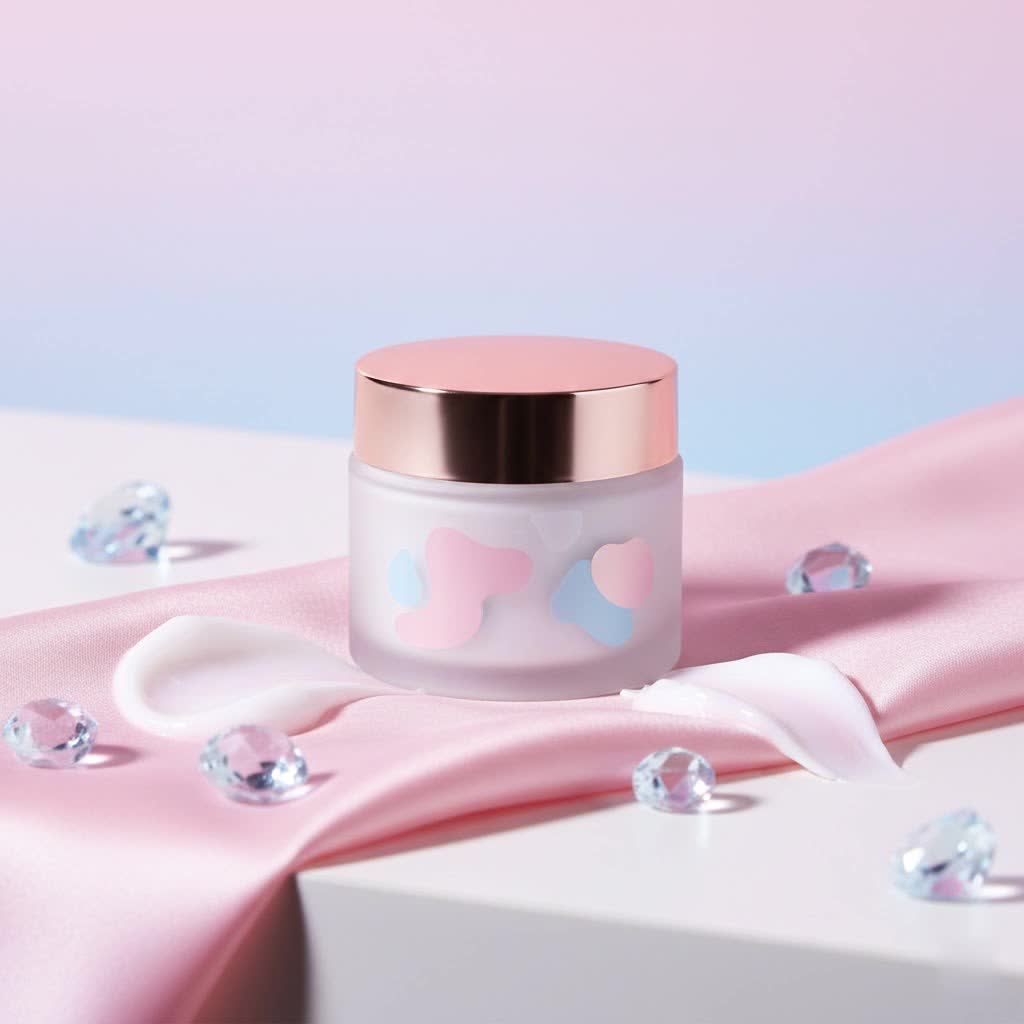
A face moisturizer is a skincare product meticulously formulated to hydrate and protect the skin’s outermost layer, often referred to as the skin barrier. This vital barrier acts as your skin’s first line of defense, safeguarding against environmental aggressors like pollution, bacteria, and allergens, while simultaneously preventing excessive water loss. When the skin barrier is compromised, it becomes less effective, leading to dryness, irritation, flakiness, and increased sensitivity.
Regular use of a suitable moisturizer is paramount for maintaining this barrier’s integrity, ensuring optimal hydration, and preserving the skin’s natural elasticity and smoothness. Just as a strong foundation is crucial for any building, a healthy skin barrier is the cornerstone of a healthy complexion. However, not all skin is created equal, and understanding the nuances of your specific skin type is the first step toward selecting a moisturizer that truly meets its unique needs.
Key Ingredients in Dermatologist-Recommended Face Moisturizers
Dermatologists often emphasize the importance of understanding key ingredients that work synergistically to hydrate, repair, and protect the skin. These ingredients generally fall into three primary categories: humectants, emollients, and occlusives, with other beneficial components enhancing their effects.
Humectants (Moisture Magnets)
Humectants are hydrophilic ingredients that act like sponges, attracting water from the deeper layers of the skin and the surrounding environment into the epidermis, the skin’s outermost layer. They are crucial for drawing moisture into dry, parched skin.
- Glycerin: A widely used, effective, and affordable humectant that provides excellent hydration.
- Hyaluronic Acid (HA): Known for its remarkable ability to hold up to 1,000 times its weight in water, hyaluronic acid plumps the skin and improves elasticity.
- Urea: In addition to its humectant properties, urea also has mild exfoliating capabilities, helping to soften rough skin.
|
Our Picks for the Best Face Moisturizer in 2026
As an Amazon Associate I earn from qualifying purchases.
|
||
| Num | Product | Action |
|---|---|---|
| 1 | Neutrogena Fragrance Free Daily Facial Moisturizer, Face & Neck Moisturizer for Sensitive Skin with Vitamin B3, Pro-Vitamin B5 & Vitamin E Supports Skin's Dynamic Barrier, 3.4 fl. oz |

|
| 2 | Vanicream Daily Facial Moisturizer With Ceramides and Hyaluronic Acid - Formulated Without Common Irritants for Those with Sensitive Skin, 3 fl oz (Pack of 1) |
|
| 3 | RoC Multi Correxion Even Tone + Lift 5-in-1 Daily Moisturizer, SPF 30, 1.7oz, Brightening, Firming, Hydrating, Paraben-free, Hypoallergenic |
|
| 4 | L’Oreal Paris Collagen Daily Face Moisturizer, Anti Aging Face Cream to Reduce Wrinkles and Provide Intense Hydration, 1.7 oz |
|
| 5 | La Roche-Posay Toleriane Double Repair Face Moisturizer, Daily Moisturizer Face Cream with Ceramide & Niacinamide for All Skin Types, Immediate Comfort & Long Lasting Hydration, Fragrance Free |
|
| 6 | Dr.Althea 345 Relief Cream - Moisturizer for Soothing Recovery and Blemish Care with PDRN & Niacinamide - Korean Vegan Skin Care for All Skin Types, 1.69 Fl Oz (Ver.2 - Pack of 1) |
|
| 7 | La Roche-Posay Lipikar AP+ Triple Repair Moisturizing Cream - Face & Body Lotion For Dry Skin - Shea Butter & Niacinamide Moisturizer - Gentle Face & Body Cream For Dry, Rough & Sensitive Skin |
|
| 8 | La Roche-Posay Toleriane Double Repair UV SPF Moisturizer for Face, Daily Facial Moisturizer with Sunscreen SPF 30, Niacinamide and Glycerin, Oil Free, Moisturizing Sun Protection |
|
| 9 | Tallow Face Cream Daytime – Brighten & Hydrate Moisturizer with Vitamin C, Peptides & Goji Berry Oil – Nourishing Grass-Fed Tallow Face Cream for Radiant, Smooth Skin – 2oz (57g) |
|
| 10 | CeraVe Daily Moisturizing Lotion for Dry Skin, Body Lotion & Face Moisturizer with Hyaluronic Acid and Ceramides, Daily Moisturizer, Fragrance Free, Oil-Free, 12 Ounce |
|
For humectants to be most effective, especially in drier climates, they should ideally be paired with occlusives to ensure the drawn moisture doesn’t simply evaporate from the skin’s surface.
Emollients (Skin Smoothers)
Emollients are lipid-rich ingredients that fill in the microscopic gaps between skin cells, smoothing and softening the skin’s texture. They are essential for repairing and reinforcing the skin barrier, which can become compromised due to age, environmental factors, or certain skin conditions. Emollients create a smoother surface, reduce roughness, and make the skin feel supple.
- Ceramides: These waxy fat molecules are naturally found in the skin barrier and are crucial for its structure and function. Ceramides in moisturizers help replenish depleted levels, making skin strong, supple, and soft, particularly beneficial for dry, sensitive, and eczema-prone skin.
- Squalane: A more stable form of squalene (an oil naturally found in the skin), squalane not only hydrates but also smooths the skin. It acts as both an emollient and an occlusive.
- Fatty Acids & Plant Oils: Ingredients like shea butter, cocoa butter, and various plant-derived oils are rich in fatty acids, which nourish the skin and provide emollient benefits.
Occlusives (Barrier Reinforcers)
Occlusives are perhaps the most vital ingredients for truly dry or compromised skin. They form a protective, water-repellent layer on the skin’s surface, acting as a physical shield. This layer significantly slows down transepidermal water loss (TEWL), effectively locking in moisture and preventing hydration from evaporating.
- Petrolatum (Petroleum Jelly): Highly effective at creating a protective seal, it’s considered one of the most potent occlusives.
- Mineral Oil: A gentle and effective occlusive that forms a lightweight barrier.
- Lanolin: A natural wax that is an excellent occlusive and emollient, though some individuals with sensitive skin may experience allergic contact dermatitis.
- Silicones (e.g., Dimethicone): Provide a silky feel while forming a breathable barrier to reduce water loss.
- Beeswax: A natural occlusive often found in thicker creams and balms.
Other Beneficial Ingredients
Beyond these core categories, many dermatologist-recommended face moisturizers incorporate additional ingredients to address specific skin concerns and enhance overall skin health.
- Vitamins:
- Vitamin E: A powerful antioxidant that helps protect the skin from free radical damage and offers soothing properties.
- Vitamin B3 (Niacinamide): Known for its anti-inflammatory properties, niacinamide can help reduce redness, minimize pores, and support skin barrier function.
- Antioxidants: Ingredients like green tea extract, ferulic acid, and vitamin C protect skin cells from oxidative stress caused by environmental factors.
- Peptides: Short chains of amino acids that signal the skin to produce more collagen, improving firmness and reducing the appearance of fine lines.
- Soothing Agents: Ingredients such as colloidal oatmeal and soy are often included for their calming properties, particularly beneficial for irritated or reactive skin.
Choosing a Dermatologist-Recommended Face Moisturizer by Skin Type
The adage “one size fits all” rarely applies in skincare, especially when it comes to moisturizers. Dermatologists consistently advise tailoring your moisturizer choice to your specific skin type to achieve the best results.
Dry Skin
Dry skin typically feels tight, may appear flaky, and can be prone to itching or even cracking. This indicates a weakened skin barrier that struggles to retain moisture.
- Needs: Intense, rich hydration and robust barrier repair.
- Formulation: Thicker creams, balms, or ointments are ideal as they contain less water and more lipids, allowing them to last longer and lock in moisture more effectively.
- Key Ingredients: Prioritize ceramides, rich emollients (like shea butter), and powerful occlusives (such as mineral oil, petrolatum, or squalane) to create a protective seal.
- Avoid: Fragrances, high concentrations of alcohol, and strong exfoliating acids (AHAs, retinols) unless specifically recommended by a dermatologist, as these can strip natural oils and exacerbate dryness or irritation.
- Product Examples: CeraVe Moisturizing Cream, La Roche-Posay Toleriane Double Repair Face Moisturizer, Aquaphor Healing Ointment, Cetaphil Rich Hydrating Cream.
Oily Skin
Individuals with oily skin often have excess sebum production, leading to a shiny complexion, enlarged pores, and a higher propensity for breakouts. Many mistakenly believe oily skin doesn’t need moisturizer.
- Needs: Lightweight hydration, effective oil control, and non-comedogenic (won’t clog pores) formulations.
- Formulation: Oil-free, water-based gel creams or lotions are preferred. Mattifying moisturizers can also be beneficial as they are formulated to absorb excess oil.
- Key Ingredients: Look for humectants like hyaluronic acid and glycerin, along with ingredients that regulate oil and soothe skin, such as niacinamide, zinc PCA, and panthenol.
- Avoid: Heavy creams, thick balms, and rich, pore-clogging oils (like heavy mineral oil or coconut oil), which can contribute to greasiness and breakouts.
- Product Examples: Neutrogena Hydro Boost Water Gel, La Roche-Posay Effaclar Mat, Cetaphil Derma Control Oil Absorbing Moisturizer SPF 30.
Combination Skin
Combination skin presents a unique challenge, featuring both oily and dry areas. Typically, the T-zone (forehead, nose, chin) is oily, while the cheeks and other areas may be dry or normal.
- Needs: Balanced hydration that addresses both oiliness and dryness without exacerbating either.
- Formulation: Lightweight lotions or gel-creams that are non-comedogenic are often recommended. A “middle-of-the-road” cream can also work.
- Key Ingredients: Hyaluronic acid and glycerin provide hydration, while niacinamide can help balance oil production and strengthen the skin barrier.
- Avoid: Extremely heavy or very rich oils that could clog pores in oily zones, as well as overly drying ingredients that might irritate dry patches.
- Product Examples: Neutrogena Hydro Boost Water Gel, Vichy Aqualia Thermal Water Gel, SkinCeuticals Daily Moisture.
Sensitive Skin
Sensitive skin is prone to redness, irritation, itching, and adverse reactions to certain ingredients. The skin barrier is often compromised, making it more vulnerable.
- Needs: Gentle, soothing hydration with minimal potential for irritation.
- Formulation: The “simpler, the better” rule applies here. Look for products with a short ingredient list, explicitly labeled as fragrance-free, dye-free, alcohol-free, and hypoallergenic.
- Key Ingredients: Ceramides, squalane, hyaluronic acid, colloidal oatmeal, and soy are excellent choices for their calming and barrier-supporting properties. Thermal spring water is also a common soothing ingredient.
- Avoid: Fragrances, artificial dyes, drying alcohols, and exfoliating acids (AHAs like salicylic, lactic, and glycolic acid), which can further disrupt the delicate skin barrier. Even some “natural” or “organic” ingredients can be irritants for highly sensitive skin.
- Product Examples: CeraVe Daily Moisturizing Lotion, Aveeno Calm + Restore Oat Gel Moisturizer, La Roche-Posay Toleriane Fluide, Vanicream Daily Facial Moisturizer.
Normal Skin
Normal skin is well-balanced, neither excessively oily nor dry, with minimal concerns.
- Needs: Maintenance of natural hydration levels and general protection.
- Formulation: Versatile lotions or light creams that provide a good balance of humectants and emollients are generally suitable.
- Key Ingredients: A good normal skin moisturizer will often contain a blend of humectants and emollients to maintain optimal skin health.
Expert Tips for Selecting Your Ideal Face Moisturizer (Buying Guide)
Choosing the right face moisturizer requires a thoughtful approach. Here are expert tips to guide your selection process:
Understand Your Skin Type
Before anything else, accurately identify your skin type. Observe how your skin behaves throughout the day: Does it get shiny in certain areas? Does it feel tight or flaky after cleansing? Does it react easily to new products? Your skin’s needs can also shift with seasons, stress, or age, so periodic re-evaluation is beneficial.
Decode the Ingredient List
Familiarize yourself with the key ingredients discussed above (humectants, emollients, occlusives). Look for labels like “non-comedogenic” (won’t clog pores), “fragrance-free” (avoids a common irritant), and “hypoallergenic” (formulated to minimize allergic reactions). Ingredients are listed in descending order of concentration, so the first few items are the most abundant.
Research Reputable Brands
Dermatologists frequently recommend brands known for their science-backed formulations, gentle ingredients, and efficacy. Brands like CeraVe, La Roche-Posay, Cetaphil, Neutrogena, Avène, and Vanicream are often highlighted for their commitment to skin health and suitability for various skin types, including sensitive skin. These brands typically prioritize ingredients that support the skin barrier.
Consult Reviews, But Be Discerning
User reviews can offer valuable insights into product texture, absorption, and general feel. However, remember that individual skin chemistry varies greatly. What works wonders for one person might not for another, especially if their skin type or concerns differ from yours. Focus on reviews from individuals who share similar skin characteristics.
Patch Test New Products
Before committing to a new moisturizer for your entire face, perform a patch test. Apply a small amount of the product to an inconspicuous area, such as behind your ear or on a small section of your jawline, for a few days. This helps you check for any adverse reactions like redness, itching, or breakouts without compromising your entire complexion.
How to Maximize the Benefits of Your Face Moisturizer
Simply choosing the right moisturizer isn’t enough; effective application and consistent use are equally important to unlock its full potential.
Timing is Key
The optimal time to apply moisturizer is to damp skin, immediately after cleansing, toning, and applying any serums. Applying it to slightly moist skin helps to lock in that extra hydration and allows the product to absorb more effectively. Aim for both morning and evening applications.
Layering Order
In a multi-step skincare routine, moisturizer typically follows your cleansers, toners, and active serums (like vitamin C or hyaluronic acid serums). It should be one of the last steps before sunscreen in your morning routine, and the final step in your evening routine. This layering ensures that lighter, more active products penetrate first, followed by the occlusive benefits of your moisturizer.
Appropriate Amount
Less is often more when it comes to face moisturizer. A pea-sized to dime-sized amount is generally sufficient for your entire face and neck. Using too much can lead to a greasy feeling, clogged pores, or simply waste product without providing additional benefits. Conversely, using too little may not provide adequate hydration and protection.
Gentle Application
Apply your moisturizer with clean hands, using gentle, upward, and outward circular motions. Avoid harsh rubbing or pulling, especially around delicate areas like the eyes. Gentle massage can help improve circulation and ensure even distribution and better absorption of the product.
Common Moisturizing Mistakes to Avoid
Even with the best intentions, certain habits can inadvertently undermine your moisturizing efforts. Being aware of these common mistakes can help you optimize your skincare routine.
- Using the Wrong Formulation for Your Skin Type: One of the most frequent errors is applying a moisturizer ill-suited to your skin’s needs. A heavy, rich cream on oily skin can lead to breakouts, while a light gel on very dry skin won’t provide sufficient hydration.
- Skipping Cleansing Before Moisturizing: Applying moisturizer to uncleansed skin can trap dirt, oil, and impurities, leading to clogged pores, breakouts, and reduced product efficacy. Always start with a clean canvas.
- Inconsistent Application: Moisturizing isn’t a “when-you-feel-like-it” step. Consistent, daily use (morning and evening) is crucial for maintaining a healthy skin barrier and achieving long-term benefits. Sporadic application won’t yield optimal results.
- Over-reliance on Trendy Ingredients: While new ingredients emerge constantly, don’t solely focus on “exotic” or “organic” claims without understanding their actual efficacy and potential for irritation, especially if your skin is sensitive. Stick to dermatologist-recommended, proven ingredients.
- Ignoring Skin’s Changing Needs: Your skin is dynamic. Factors like age, hormonal fluctuations, seasonal changes, and environmental conditions can alter its requirements. What worked perfectly in summer might be insufficient in winter, or as you age. Pay attention to your skin and adjust your moisturizer accordingly.
- Skipping Moisturizer for Acne-Prone Skin: It’s a myth that acne-prone skin doesn’t need moisturizer. In fact, many acne treatments can be drying and irritating. Using a lightweight, non-comedogenic moisturizer can help mitigate these side effects, support barrier function, and even improve the skin’s tolerance to active treatments.
Conclusion
Choosing a dermatologist-recommended face moisturizer tailored to your specific skin type is not merely a cosmetic step; it is a fundamental pillar of any effective skincare routine. By understanding the role of key ingredients like humectants, emollients, and occlusives, and recognizing the unique needs of dry, oily, combination, and sensitive skin, you can make an informed decision. Consistent, proper application further ensures that your skin barrier remains strong, hydrated, and resilient. A well-chosen face moisturizer is truly fundamental for cultivating a healthy, protected, and radiant complexion that stands the test of time.
What improvements have you seen since finding your perfect face moisturizer?
Frequently Asked Questions
What does “non-comedogenic” mean?
“Non-comedogenic” means a product has been formulated not to clog pores. This is particularly important for individuals with oily, combination, or acne-prone skin, as clogged pores can lead to blackheads, whiteheads, and pimples.
Can I use the same moisturizer day and night?
Yes, you can often use the same moisturizer day and night if it suits your skin’s needs. However, some people prefer a lighter, potentially SPF-containing moisturizer for the day and a richer, more reparative cream for nighttime, especially if they use active ingredients like retinoids in the evening.
Do I need moisturizer if I have oily skin?
Absolutely. Even oily skin needs hydration. Skipping moisturizer can paradoxically lead your skin to produce more oil to compensate for dryness. Opt for a lightweight, oil-free, non-comedogenic gel or lotion to provide essential moisture without adding greasiness.
How much moisturizer should I apply?
A pea-sized to dime-sized amount is typically sufficient for your entire face and neck. Spreading a thin, even layer is more effective than applying a thick glob, which can feel heavy and potentially clog pores.
What is the “skin barrier” and why is it important?
The skin barrier is the outermost layer of your skin, composed of cells and lipids, acting as a protective shield. It prevents moisture loss and blocks irritants, allergens, and pathogens from entering. A healthy skin barrier is crucial for hydrated, calm, and resilient skin.
When should I apply sunscreen relative to moisturizer?
Sunscreen should generally be the last step in your morning skincare routine, applied after your moisturizer has fully absorbed. This ensures the sunscreen forms an uninterrupted protective layer on top of your skin.
Are natural or organic moisturizers always better?
Not necessarily. “Natural” or “organic” labels do not automatically equate to better or safer for your skin. Many natural ingredients can be potent allergens or irritants for sensitive skin. Dermatologists emphasize scientifically proven ingredients and formulations over marketing claims, especially for those with sensitive or compromised skin.
