The quest for healthy, glowing skin often leads us to a crucial product: face moisturizer. Among the myriad options available, water-based moisturizers have emerged as a highly popular choice, celebrated for their ability to deliver essential hydration without feeling heavy or greasy. These lightweight, fast-absorbing formulations are quickly becoming a staple in skincare routines worldwide. This comprehensive guide will explore what makes water-based face moisturizers unique, their benefits, key ingredients, how they compare to oil-based alternatives, and how to select and use the perfect one for your unique skin needs, ensuring a fresh and vibrant complexion.
What is a Water-Based Face Moisturizer and Why is it Essential?
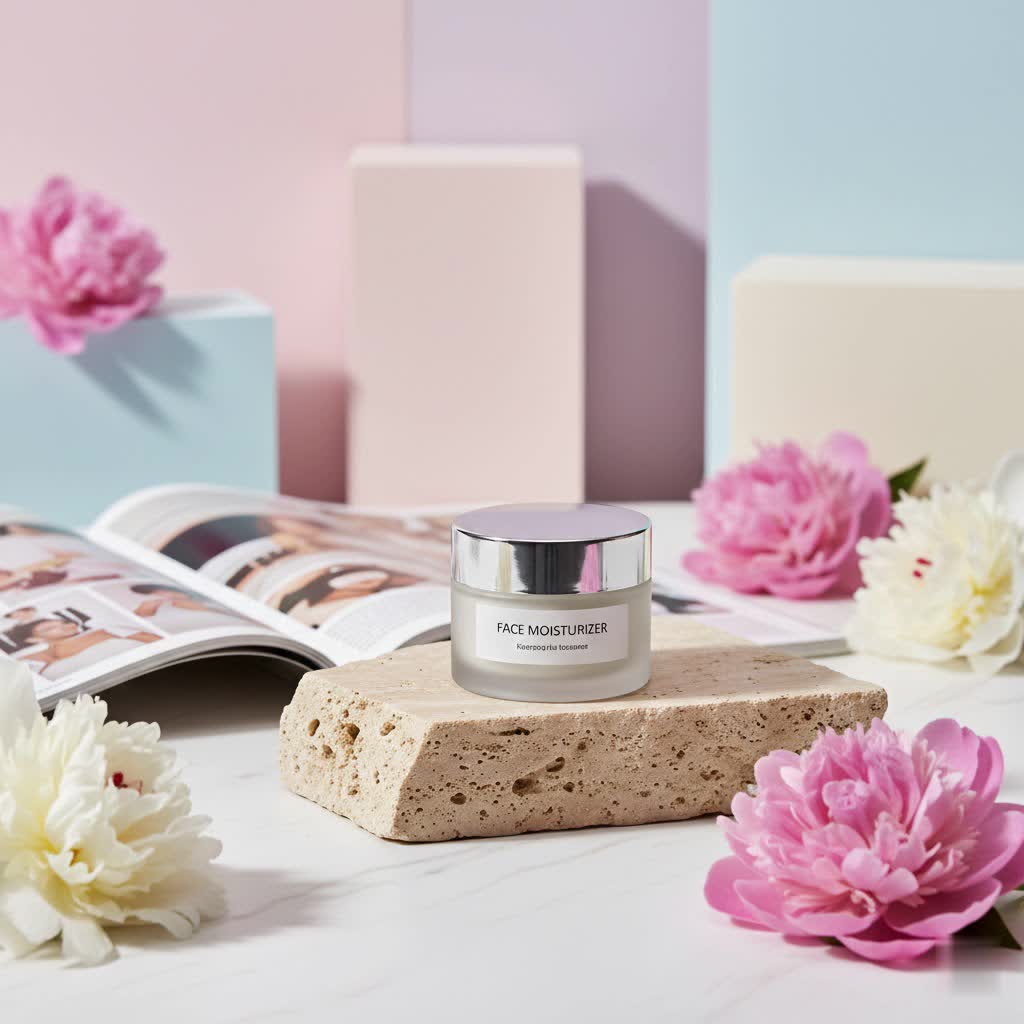
At its core, a water-based face moisturizer is a skincare product where water is the primary ingredient. These formulations often present as lightweight gels, gel-creams, or lotions, specifically designed to infuse the skin with moisture. Their airy texture makes them remarkably easy to spread and quick to absorb, leaving no sticky residue behind.
Moisturizing is a non-negotiable step in any effective skincare routine, regardless of your skin type. The skin’s outermost layer, the stratum corneum, acts as a protective barrier, preventing environmental aggressors from entering and vital moisture from escaping. Water-based moisturizers play a crucial role in supporting this barrier by providing deep hydration, which helps to plump the skin, improve its elasticity, and reduce the appearance of fine lines and wrinkles. Even oily skin needs hydration; without it, skin can overcompensate by producing more oil, leading to further issues. Different skin types have varying hydration needs, and water-based formulas often cater to those who desire effective moisture without added richness.
Key Ingredients in Water-Based Moisturizers
The effectiveness of any moisturizer lies in its ingredients. Water-based formulas are typically packed with powerful components that work synergistically to hydrate, soothe, and protect the skin.
Humectants
Humectants are the superstars of hydration in water-based moisturizers. These ingredients act like magnets, drawing water from the air and deeper layers of the skin to the surface, effectively plumping and hydrating. Common humectants include:
- Glycerin: A widely used, highly effective humectant that helps hydrate and soften the skin.
- Hyaluronic Acid (often listed as Sodium Hyaluronate): Known for its incredible ability to hold up to 1,000 times its weight in water, providing intense, lasting hydration and a plump appearance.
- Aloe Vera: Valued for its soothing and moisturizing properties, it helps calm irritated skin while delivering hydration.
|
Our Picks for the Best Face Moisturizer in 2026
As an Amazon Associate I earn from qualifying purchases.
|
||
| Num | Product | Action |
|---|---|---|
| 1 | La Roche-Posay Toleriane Double Repair UV SPF Moisturizer for Face, Daily Facial Moisturizer with Sunscreen SPF 30, Niacinamide and Glycerin, Oil Free, Moisturizing Sun Protection |

|
| 2 | L’Oreal Paris Collagen Daily Face Moisturizer, Anti Aging Face Cream to Reduce Wrinkles and Provide Intense Hydration, 1.7 oz |
|
| 3 | Tallow Face Cream Daytime – Brighten & Hydrate Moisturizer with Vitamin C, Peptides & Goji Berry Oil – Nourishing Grass-Fed Tallow Face Cream for Radiant, Smooth Skin – 2oz (57g) |
|
| 4 | La Roche-Posay Toleriane Double Repair Face Moisturizer, Daily Moisturizer Face Cream with Ceramide & Niacinamide for All Skin Types, Immediate Comfort & Long Lasting Hydration, Fragrance Free |
|
| 5 | Dr.Althea 345 Relief Cream - Moisturizer for Soothing Recovery and Blemish Care with PDRN & Niacinamide - Korean Vegan Skin Care for All Skin Types, 1.69 Fl Oz (Ver.2 - Pack of 1) |
|
| 6 | La Roche-Posay Lipikar AP+ Triple Repair Moisturizing Cream - Face & Body Lotion For Dry Skin - Shea Butter & Niacinamide Moisturizer - Gentle Face & Body Cream For Dry, Rough & Sensitive Skin |
|
| 7 | RoC Multi Correxion Even Tone + Lift 5-in-1 Daily Moisturizer, SPF 30, 1.7oz, Brightening, Firming, Hydrating, Paraben-free, Hypoallergenic |
|
| 8 | Vanicream Daily Facial Moisturizer With Ceramides and Hyaluronic Acid - Formulated Without Common Irritants for Those with Sensitive Skin, 3 fl oz (Pack of 1) |
|
| 9 | Neutrogena Fragrance Free Daily Facial Moisturizer, Face & Neck Moisturizer for Sensitive Skin with Vitamin B3, Pro-Vitamin B5 & Vitamin E Supports Skin's Dynamic Barrier, 3.4 fl. oz |
|
| 10 | CeraVe Daily Moisturizing Lotion for Dry Skin, Body Lotion & Face Moisturizer with Hyaluronic Acid and Ceramides, Daily Moisturizer, Fragrance Free, Oil-Free, 12 Ounce |
|
Emollients (Lightweight)
While water-based, many formulations include lighter emollients to smooth and soften the skin without adding heaviness. These ingredients fill in microscopic gaps in the skin barrier, creating a smoother texture. Examples might include:
- Fatty Alcohols (e.g., Cetyl Alcohol): These are not drying alcohols but rather beneficial ingredients that provide a silky feel and help stabilize the formula.
- Lightweight Plant Oils (in minimal amounts): Some water-based moisturizers might contain a very small percentage of specific plant oils, like Argan oil, to offer emollient benefits and assist in locking in moisture without a greasy feel.
Occlusives (Minimal/Breathable)
Occlusives form a protective layer on the skin’s surface to prevent transepidermal water loss (TEWL). In water-based moisturizers, these are typically lighter and more breathable than those found in oil-based creams, ensuring hydration without clogging pores. Examples include:
- Silicones (e.g., Dimethicone): These create a smooth, breathable film that helps seal in moisture without feeling heavy or oily.
- Film-forming Polymers: These ingredients create a light, flexible barrier on the skin.
Other Beneficial Ingredients
Beyond the core hydrators, water-based moisturizers often contain active ingredients that target specific skin concerns:
- Niacinamide (Vitamin B3): An anti-inflammatory powerhouse that helps reduce redness, improve skin elasticity, brighten complexion, and strengthen the skin barrier. It’s also beneficial for acne-prone skin.
- Salicylic Acid: A beta-hydroxy acid (BHA) that exfoliates inside the pores, making it excellent for treating acne and blackheads.
- Green Tea Extract: A potent antioxidant that helps protect the skin from environmental damage and can have anti-inflammatory effects.
- Peptides: Amino acid chains that can signal the skin to produce more collagen, improving firmness and reducing fine lines.
- Allantoin and Panthenol (Vitamin B5): Known for their soothing and skin-conditioning properties, ideal for sensitive or irritated skin.
Water-Based vs. Oil-Based: Choosing Your Hydration Match
Understanding the fundamental difference between water-based and oil-based moisturizers is key to selecting the right product for your skin’s specific needs. Neither is inherently “better”; it’s all about what suits your skin type and concerns.
Here’s a comparison to help you decide:
| Criteria | Water-Based Moisturizer | Oil-Based Moisturizer |
|---|---|---|
| Primary Ingredient | Water (Aqua) | Oils (e.g., Jojoba, Argan, Shea Butter) |
| Texture | Lightweight, often gel, gel-cream, or light lotion | Rich, thick, often cream, balm, or ointment |
| Absorption | Fast-absorbing, penetrates rapidly | Slower absorption, leaves a more noticeable layer |
| Finish | Non-greasy, matte, fresh, “barely-there” | Dewy, luminous, sometimes a slightly heavier feel |
| Ideal Skin Types | Oily, Combination, Acne-prone, Dehydrated, Teen, Humid climates | Dry, Mature, Compromised barrier, Normal (if desiring rich feel), Cold/Dry climates |
| Main Function | Hydration, plumping, soothing | Nourishment, intense moisture lock, barrier repair |
Water-based formulas are excellent for providing pure hydration, delivering a quick burst of moisture that absorbs effortlessly. They are a go-to for anyone who dislikes a heavy feel on their skin or struggles with excess oil and breakouts. On the other hand, oil-based moisturizers excel at locking in moisture and deeply nourishing the skin, creating a more substantial protective barrier, making them invaluable for very dry or aging skin that lacks natural lipids. For optimal results, water-based products should generally be applied before oil-based ones in your routine, preventing oils from creating a barrier that blocks the absorption of lighter products.
Selecting the Perfect Water-Based Moisturizer for Your Skin (Buying Guide)
Navigating the vast world of skincare can be overwhelming, but with a few simple guidelines, you can confidently choose the ideal water-based moisturizer for your complexion.
Understand Your Skin Type
The first and most crucial step is to accurately identify your skin type.
- Oily Skin: Characterized by excess sebum production, leading to shine and enlarged pores. You’ll benefit from oil-free, non-comedogenic gel or gel-cream formulas.
- Combination Skin: Features both oily (T-zone) and dry or normal areas. Look for balanced formulas that hydrate dry patches while controlling oil in the T-zone.
- Acne-Prone Skin: Often oily or combination, susceptible to breakouts. Seek non-comedogenic formulas with beneficial ingredients like niacinamide or salicylic acid.
- Sensitive Skin: Easily irritated, prone to redness, itching, or stinging. Opt for fragrance-free, dye-free, and hypoallergenic options with soothing ingredients like aloe vera or allantoin.
- Normal Skin: Well-balanced, neither too oily nor too dry. You have more flexibility but may still prefer a lightweight water-based option for daily hydration.
- Dehydrated Skin: Lacks water, often feeling tight or looking dull, regardless of oil production. All skin types can experience dehydration, and water-based humectant-rich moisturizers are excellent for this.
Deciphering Ingredient Lists
Always examine the ingredient list on the product packaging. Ingredients are listed in order of concentration, so the first few tell you the most.
- Look for “Water” or “Aqua”: If either is among the first ingredients, it confirms the product is water-based.
- Identify Key Humectants: Ensure ingredients like Glycerin, Hyaluronic Acid, or Aloe Vera are present.
- Check for Silicones: While some water-based products use light silicones (e.g., Dimethicone) for texture and a breathable barrier, if you prefer to avoid them, look for ingredients not ending in “-cone” or “-xane.”
- Avoid Harsh Additives (for sensitive skin): If you have sensitive skin, steer clear of strong fragrances, dyes, or excessive alcohol.
Consider Product Formulations
Water-based moisturizers come in various textures, each offering a slightly different experience:
- Gels: The lightest option, perfect for oily or very humid conditions. They absorb almost instantly.
- Gel-Creams: A hybrid that offers more richness than a gel but is still lighter than a traditional cream, suitable for combination or normal skin.
- Lotions: Generally thicker than gels but lighter than creams, offering good daily hydration for most skin types.
Look for Specific Claims
Labels on the packaging can provide helpful clues:
- “Oil-Free”: Essential for oily and acne-prone skin to prevent adding extra lipids.
- “Non-Comedogenic”: Means the product is formulated not to clog pores, reducing the risk of breakouts.
- “Fragrance-Free” or “Hypoallergenic”: Crucial for sensitive skin to minimize irritation.
- “Dermatologist-Tested”: Indicates that the product has been reviewed or tested by dermatologists, often suggesting a gentler formulation.
Read Reviews and Patch Test
Online reviews can offer valuable insights, but remember that individual experiences vary. If possible, test a small amount of the product on an inconspicuous area of your skin (like behind your ear or on your inner arm) for 24-48 hours before applying it to your entire face. This “patch test” can help you identify any potential sensitivities or allergic reactions.
Maximizing Efficacy: How to Use Water-Based Moisturizers
Applying your water-based moisturizer correctly can significantly enhance its effectiveness, ensuring your skin reaps all the hydrating benefits.
Optimal Application Timing
For best results, incorporate your water-based moisturizer into your routine twice daily:
- Morning: Apply after cleansing and toning, but before sunscreen. This creates a smooth base for makeup and provides a protective layer against environmental factors throughout the day.
- Evening: Use as the final step in your nighttime routine, after cleansing, toning, and applying any serums or treatments. This allows the moisturizer to work overnight, repairing and hydrating your skin while you sleep.
The Right Way to Apply
Moisturizers work best when applied to slightly damp skin. This helps to lock in the residual moisture from cleansing or toning, allowing the humectants to draw even more hydration into your skin.
- After cleansing and gently patting your face dry, while your skin is still a little damp, dispense a small amount of moisturizer onto your fingertips.
- Dot the product evenly across your face—forehead, cheeks, nose, and chin.
- Gently massage the moisturizer into your skin using upward and outward motions. Be gentle around the delicate eye area. This helps the product absorb effectively and stimulates circulation.
Correct Amount
More isn’t always better. Using too much moisturizer can feel heavy and potentially clog pores, especially for oily skin types. Conversely, using too little won’t provide adequate hydration. A pea-sized amount is typically sufficient for the entire face. Adjust as needed based on your skin’s immediate needs and the product’s consistency.
“Consistency is key in skincare. Regularly applying a suitable water-based moisturizer can significantly improve skin texture and hydration over time, creating a healthy canvas for your skin to thrive.” – Dr. Emily R. Chen, Dermatologist and Skincare Specialist
Common Pitfalls in Water-Based Moisturizer Use
Even with the best intentions, certain mistakes can diminish the benefits of your water-based moisturizer. Being aware of these common pitfalls can help you optimize your skincare routine.
One significant error is using a water-based moisturizer not suited for your specific skin condition. While excellent for hydration, extremely dry skin might primarily lack oils and a robust barrier, requiring a more occlusive, oil-based formula to truly lock in moisture. Relying solely on a lightweight water-based product might leave very dry skin still feeling tight and uncomfortable.
Another frequent mistake is skipping the cleansing step before applying moisturizer. Applying moisturizer to uncleaned skin can trap dirt, oil, and impurities, leading to clogged pores and breakouts, effectively negating the benefits of your hydrating product. Always ensure your skin is thoroughly cleansed and toned to prepare it for optimal absorption.
Furthermore, using too much or too little cream can be counterproductive. An excessive amount can lead to a greasy feel and potentially overwhelm the skin, especially for oily types. Too little, and your skin won’t receive adequate hydration. Finding the right “pea-sized” amount is crucial. Finally, inconsistent use undermines any skincare effort. Moisturizing should be a consistent daily habit, not an occasional treatment, to maintain healthy, balanced skin over time.
Conclusion
Water-based face moisturizers are invaluable allies in achieving and maintaining a healthy, radiant complexion. Their lightweight, fast-absorbing, and non-greasy nature makes them particularly well-suited for oily, combination, acne-prone, and sensitive skin types, delivering vital hydration without congestion. By understanding the powerful humectants like hyaluronic acid and glycerin they contain, recognizing the differences between water-based and oil-based formulas, and carefully selecting a product tailored to your skin’s needs, you empower yourself to make informed skincare choices. Consistent and correct application of your chosen water-based moisturizer will ensure your skin remains plump, smooth, and vibrant.
What is your favorite water-based moisturizer and why has it become your go-to?
Frequently Asked Questions
Is a water-based moisturizer good for dry skin?
Yes, water-based moisturizers can provide valuable hydration for dry skin, especially those rich in humectants like hyaluronic acid. However, for very dry skin which often lacks both water and oil, combining a water-based product with a richer oil-based cream or serum can provide comprehensive nourishment and barrier support.
Can I use a water-based moisturizer if I have sensitive skin?
Absolutely! Many water-based moisturizers are formulated to be gentle and are excellent for sensitive skin. Look for products explicitly labeled “fragrance-free,” “dye-free,” “hypoallergenic,” and containing soothing ingredients like aloe vera, allantoin, or panthenol to minimize irritation.
How often should I apply water-based moisturizer?
For optimal results, you should apply your water-based moisturizer twice daily: once in the morning after cleansing and toning, and again in the evening as the final step in your skincare routine. Consistent application helps maintain skin hydration and barrier function.
Will a water-based moisturizer make my oily skin oilier?
No, quite the opposite. Water-based moisturizers are specifically designed to hydrate oily skin without adding excess oil or shine. They are often oil-free and non-comedogenic, helping to balance moisture levels and prevent your skin from overproducing sebum in response to dehydration.
What’s the difference between a gel and a lotion water-based moisturizer?
Both gels and lotions are water-based, but they differ in consistency and water content. Gels are typically the lightest, with the highest water content, absorbing almost instantly. Lotions are slightly thicker than gels but lighter than creams, offering more substantial hydration without being heavy.
