Navigating the world of skincare can be daunting, especially when your skin constantly feels tight, flaky, and uncomfortable. Dry skin isn’t just a minor annoyance; it’s a condition where your skin’s natural barrier is compromised, leading to moisture loss and increased sensitivity. Finding the right dry face moisturizer is not merely a cosmetic choice but a crucial step toward restoring your skin’s health and vitality. This comprehensive guide, informed by over a decade of experience, will demystify dry skin, highlight essential ingredients, help you choose the perfect product, and show you how to maximize its benefits for a truly radiant complexion.
What is a Face Moisturizer for Dry Skin and Why is it Essential?
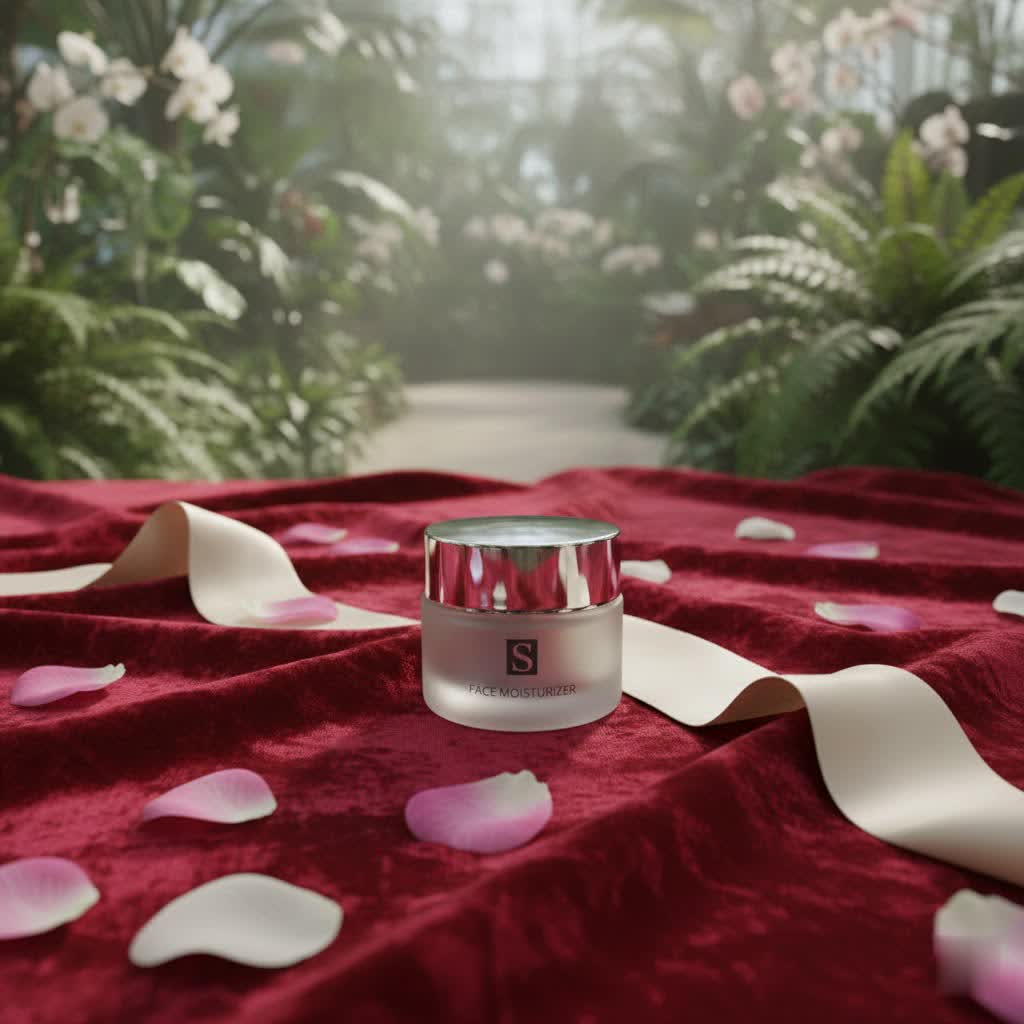
A face moisturizer for dry skin is a specialized skincare product designed to replenish lost moisture, soothe irritation, and strengthen the skin’s natural protective barrier. Dry skin inherently lacks sufficient natural oils, known as lipids, which are vital for retaining water and protecting against environmental stressors. Without adequate moisture, dry skin can feel itchy, tight, and appear rough or flaky, often showing fine lines more prominently.
Moisturizers act as a protective shield and a repair mechanism. They work by delivering hydrating ingredients deep into the skin, while simultaneously forming a barrier on the surface to prevent transepidermal water loss (TEWL). Consistent use helps to restore the skin’s lipid barrier, lock in hydration, and reduce sensitivity, leading to a softer, smoother, and more resilient complexion over time.
Key Ingredients for Effective Dry Face Moisturizers
Understanding the ingredients in your dry face moisturizer is paramount to choosing an effective product. The best formulations combine various components that work synergistically to hydrate, soften, and protect the skin. These can generally be categorized into humectants, emollients, and occlusives, each playing a distinct role in skin health.
Humectants: Drawing Moisture In
Humectants are ingredients that attract water from the environment and deeper layers of the skin into the epidermis, boosting hydration levels. They are crucial for drawing in moisture.
- Glycerin: A classic and highly effective humectant that draws moisture into the skin, improving hydration and supporting barrier repair.
- Hyaluronic Acid (HA): Renowned for its ability to hold up to 1,000 times its weight in water, HA plumps the skin, reduces the appearance of fine lines, and enhances elasticity.
- Urea: A component of the skin’s natural moisturizing factor (NMF), urea acts as both a humectant and an emollient. At higher concentrations, it also possesses keratolytic properties, helping to soften rough patches.
- Sodium PCA and Aloe Vera: Other excellent humectants that bind water to the skin, offering soothing and hydrating benefits.
|
Our Picks for the Best Face Moisturizer in 2026
As an Amazon Associate I earn from qualifying purchases.
|
||
| Num | Product | Action |
|---|---|---|
| 1 | RoC Multi Correxion Even Tone + Lift 5-in-1 Daily Moisturizer, SPF 30, 1.7oz, Brightening, Firming, Hydrating, Paraben-free, Hypoallergenic |

|
| 2 | Neutrogena Fragrance Free Daily Facial Moisturizer, Face & Neck Moisturizer for Sensitive Skin with Vitamin B3, Pro-Vitamin B5 & Vitamin E Supports Skin's Dynamic Barrier, 3.4 fl. oz |
|
| 3 | La Roche-Posay Toleriane Double Repair UV SPF Moisturizer for Face, Daily Facial Moisturizer with Sunscreen SPF 30, Niacinamide and Glycerin, Oil Free, Moisturizing Sun Protection |
|
| 4 | Tallow Face Cream Daytime – Brighten & Hydrate Moisturizer with Vitamin C, Peptides & Goji Berry Oil – Nourishing Grass-Fed Tallow Face Cream for Radiant, Smooth Skin – 2oz (57g) |
|
| 5 | CeraVe Daily Moisturizing Lotion for Dry Skin, Body Lotion & Face Moisturizer with Hyaluronic Acid and Ceramides, Daily Moisturizer, Fragrance Free, Oil-Free, 12 Ounce |
|
| 6 | L’Oreal Paris Collagen Daily Face Moisturizer, Anti Aging Face Cream to Reduce Wrinkles and Provide Intense Hydration, 1.7 oz |
|
| 7 | La Roche-Posay Toleriane Double Repair Face Moisturizer, Daily Moisturizer Face Cream with Ceramide & Niacinamide for All Skin Types, Immediate Comfort & Long Lasting Hydration, Fragrance Free |
|
| 8 | La Roche-Posay Lipikar AP+ Triple Repair Moisturizing Cream - Face & Body Lotion For Dry Skin - Shea Butter & Niacinamide Moisturizer - Gentle Face & Body Cream For Dry, Rough & Sensitive Skin |
|
| 9 | Dr.Althea 345 Relief Cream - Moisturizer for Soothing Recovery and Blemish Care with PDRN & Niacinamide - Korean Vegan Skin Care for All Skin Types, 1.69 Fl Oz (Ver.2 - Pack of 1) |
|
| 10 | Vanicream Daily Facial Moisturizer With Ceramides and Hyaluronic Acid - Formulated Without Common Irritants for Those with Sensitive Skin, 3 fl oz (Pack of 1) |
|
Emollients: Smoothing and Softening the Skin
Emollients are substances that fill in the gaps between skin cells, smoothing and softening the skin’s surface and improving its texture. They help to make the skin feel supple and prevent flaking.
- Ceramides: These are essential lipids naturally found in the skin that play a critical role in maintaining a healthy skin barrier. Ceramide-rich formulas help to rebuild the lipid barrier and restore moisture retention.
- Shea Butter: A deeply nourishing emollient rich in fatty acids and vitamins, it provides intense hydration and helps to soothe irritation.
- Squalane: A lightweight, non-comedogenic oil that mimics the skin’s natural sebum, enhancing suppleness without a greasy feel.
- Jojoba Oil, Fatty Acids, and Apricot Kernel Oil: These plant-derived emollients provide significant conditioning benefits, helping to smooth and protect the skin.
Occlusives: Sealing in Hydration
Occlusives form a protective, semi-permeable layer on the skin’s surface, preventing water from evaporating and locking in the moisture provided by humectants and emollients. They create a robust barrier against moisture loss.
- Petrolatum (Petroleum Jelly): One of the most effective occlusives, it creates a physical barrier that seals in moisture, making it ideal for very dry or cracked skin.
- Dimethicone: A silicone-based occlusive that provides a smooth skin feel while effectively locking in moisture without heaviness.
- Lanolin, Beeswax, and Plant Butters (e.g., Bacuri, Kokum): These ingredients also create a protective seal, offering intensive hydration and protection, particularly beneficial for severely dry skin.
Other Beneficial Ingredients
Beyond the core categories, certain ingredients offer additional benefits that are particularly helpful for dry skin.
- Niacinamide (Vitamin B3): Known for its soothing properties, niacinamide reduces redness and inflammation, improves skin barrier function, and can help with overall skin tone.
- Colloidal Oatmeal: An excellent ingredient for sensitive or eczema-prone dry skin, it calms irritation and reinforces the skin’s natural barrier.
- Vitamin E: A potent antioxidant that helps protect the skin from environmental damage while contributing to its overall health and hydration.
Different Types of Dry Face Moisturizers for Every Need
Moisturizers come in various textures and formulations, each suited to different levels of dryness and personal preferences. Choosing the right type is essential for optimal results and comfort.
Creams: Rich Hydration for Severely Dry Skin
Creams are generally thicker and contain a higher oil-to-water ratio compared to lotions. Their rich texture makes them highly nourishing and effective for very dry or mature skin types. They absorb well, providing sustained hydration without leaving an excessively heavy residue. Creams are particularly beneficial in colder, drier climates where the skin needs extra protection.
Lotions: Lighter Hydration for Moderate Dryness
Lotions have a higher water content and a lighter consistency, making them easier to spread and quicker to absorb. They are a good choice for individuals with mildly dry skin, normal skin experiencing seasonal dryness, or those who prefer a less weighty feel. However, be cautious of lotions with high alcohol content, as these can sometimes be more drying.
Gels: Lightweight for Dehydrated or Combination Skin
Gel moisturizers are typically water-based and have a refreshing, non-greasy texture. While they might seem counterintuitive for dry skin, they are excellent for skin that is dehydrated (lacks water, but may still produce oil) or combination skin with dry patches. Gels provide hydration without clogging pores, offering a lightweight solution that still delivers essential moisture.
Ointments: Intensive Repair for Extremely Compromised Skin
Ointments are the thickest and most occlusive type of moisturizer, with the highest oil content. They create the strongest protective barrier, making them exceptionally effective for extremely dry, cracked, or severely compromised skin. Often used overnight or on specific trouble spots, ointments provide intensive repair and lock in maximum hydration. They are particularly recommended during winter months or for conditions like eczema.
Comparative Overview of Popular Dry Face Moisturizers
| Brand/Product | Key Ingredients | Suitable Skin Type | Pros | Cons | Price Category |
|---|---|---|---|---|---|
| CeraVe Moisturizing Cream | Ceramides, Hyaluronic Acid | Dry to Very Dry, Sensitive | Dermatologist-recommended, fragrance-free, non-comedogenic, restores barrier, 24hr hydration. | Can feel thick to some. | Affordable |
| La Roche-Posay Lipikar Balm AP+ | Shea Butter, Niacinamide | Extremely Dry, Eczema-Prone | Soothes irritation, intensely hydrating, helps restore skin’s protective barrier. | Might be too rich for some, specific scent (though fragrance-free). | Mid-range |
| First Aid Beauty Ultra Repair Cream | Colloidal Oatmeal, Shea Butter, Allantoin | Dry, Sensitive, Eczema-Prone | Whipped texture, fast-absorbing, calms irritated skin, allergy-tested. | Some find it less heavy than desired for extremely dry skin. | Mid-range |
| Aveeno Calm + Restore Oat Gel Moisturizer | Oat Extract (Prebiotic Oat) | Dry, Sensitive, Dehydrated | Lightweight gel, instantly soothes redness, non-comedogenic, fragrance-free. | May not be rich enough for very severe dryness. | Affordable |
How to Choose the Perfect Dry Face Moisturizer (Buying Guide)
Selecting the ideal dry face moisturizer requires a thoughtful approach that considers your unique skin needs and preferences. It’s about more than just picking a popular product; it’s about making an informed decision.
Understand Your Specific Skin Type and Concerns
Begin by accurately assessing your skin. Do you have truly dry skin (lacking oil), dehydrated skin (lacking water), or sensitive dry skin (prone to redness and irritation)? Your skin might also be mature, seasonal, or prone to conditions like eczema. Identifying these specific characteristics will guide you toward formulations best suited for your concerns. For example, extremely flaky skin may need stronger occlusives than mildly dry skin.
Scrutinize the Ingredient List
Once you know your skin type, look for moisturizers containing the hero ingredients discussed earlier:
- Humectants like hyaluronic acid and glycerin for drawing in moisture.
- Emollients such as ceramides, shea butter, and squalane to soften and repair.
- Occlusives like petrolatum or dimethicone to seal everything in.
Crucially, look for labels that state “non-comedogenic” (won’t clog pores) and “fragrance-free,” especially if you have sensitive skin. Avoid products containing drying alcohols, harsh alpha-hydroxy acids (AHAs), or artificial dyes and fragrances, as these can exacerbate dryness and irritation.
Consider Texture and Climate
The consistency of your moisturizer should align with your climate and the severity of your dryness. In cold, dry environments, a rich cream or even an ointment might be necessary to provide ample protection and hydration. For warmer, more humid conditions, or if your skin is only moderately dry, a lighter lotion or gel might be more comfortable and effective. During specific seasons, you may even consider switching formulas.
Research Reputable Brands and Read Reviews
Rely on brands with a strong reputation for dermatological research and proven efficacy. Brands like CeraVe, La Roche-Posay, Cetaphil, Eucerin, and Aveeno are frequently recommended by skin professionals. While online reviews can offer valuable insights from other users, remember that skincare is highly personal. What works for one person may not work for another. Use reviews as a guide, not as the sole determinant.
Always Patch Test New Products
Before applying any new moisturizer to your entire face, perform a patch test. Apply a small amount to an inconspicuous area, like behind your ear or on your inner forearm, and wait 24-48 hours. This helps identify any potential allergic reactions or irritations before committing to full facial use. This simple step can save you from widespread discomfort.
Maximizing Results: How to Use Your Dry Face Moisturizer Effectively
Applying your dry face moisturizer correctly is just as important as choosing the right product. Proper technique ensures maximum absorption and efficacy, leading to healthier, more hydrated skin.
The Golden Rule: Apply to Damp Skin
The most crucial tip for effective moisturizing is to apply your product to damp skin. Immediately after cleansing, toning, or applying serums, gently pat your face, leaving it slightly moist. Applying moisturizer at this stage helps to trap and seal in the existing water on your skin, enhancing hydration and ensuring better penetration of the active ingredients. This simple step significantly boosts your moisturizer’s performance.
Consistency is Key: Morning and Night
For dry skin, consistent application is non-negotiable. Moisturize your face twice daily: once in the morning and once at night. Your morning application helps protect your skin from environmental aggressors, pollution, and prepares it for makeup application. The nighttime application supports the skin’s natural repair and regeneration processes that occur while you sleep, locking in hydration for overnight recovery.
Proper Application Technique and Amount
Less can often be more, but ensure you’re using enough product to cover your entire face, neck, and décolletage. A pea-sized amount is usually sufficient for the face. Dispense the moisturizer onto your fingertips, warm it slightly by rubbing your hands together, and then apply it to your face with gentle, upward, circular motions. Avoid harsh rubbing or tugging, especially around delicate areas like the eyes. Extending the application to your neck and chest is vital, as these areas often show signs of dryness and aging first.
Layering with Other Skincare Products
Integrate your dry face moisturizer seamlessly into your complete skincare routine. Follow the “thinnest to thickest” rule: after cleansing, apply any toners, essences, or serums first. Once these lighter products have absorbed, apply your moisturizer. In your morning routine, always finish with a broad-spectrum sunscreen as your final step, protecting your newly hydrated skin from UV damage. At night, your moisturizer will be the last step before bed, unless you’re using an overnight mask which might go on top.
Common Mistakes to Avoid When Moisturizing Dry Skin
Even with the best intentions, several common errors can undermine your efforts to hydrate dry skin. Being aware of these pitfalls can help you achieve better results and maintain a healthy complexion.
One of the most frequent mistakes is using a moisturizer that is not suited for your specific type of dryness. For instance, a lightweight lotion might be insufficient for severely flaky skin, while an overly rich cream might feel too heavy for combination skin with dry patches. Always match the product’s richness and texture to your skin’s needs.
Another significant error is applying moisturizer to completely dry skin. As emphasized, moisturizers work best when applied to damp skin, as this locks in existing moisture. Waiting until your skin is parched post-cleansing means you miss a crucial opportunity to enhance hydration.
Over-cleansing or using harsh cleansers is detrimental to dry skin. Aggressive cleansing strips the skin of its natural oils, further compromising the barrier and exacerbating dryness. Opt for gentle, hydrating, and fragrance-free cleansers that support your skin’s microbiome.
Many people skip exfoliation, which can prevent moisturizers from working effectively. A buildup of dead skin cells on the surface can create a barrier, hindering the absorption of your hydrating products. Gentle exfoliation (chemical or physical) 1-2 times a week helps to remove these cells, allowing your moisturizer to penetrate better.
Neglecting consistency is also a major setback. Applying moisturizer sporadically will not yield long-term benefits. For dry skin, a consistent morning and night routine is essential for continuous hydration and barrier repair.
Furthermore, ignoring other areas like your neck and chest is a common oversight. These areas are just as susceptible to dryness and environmental damage as your face and require the same moisturizing care.
Finally, using fragranced products on sensitive dry skin can cause irritation, redness, and even allergic reactions, undoing any hydrating benefits. Always opt for fragrance-free formulations if your skin is prone to sensitivity. Additionally, rubbing or tugging your skin too aggressively during application can cause unnecessary stress and damage to delicate skin.
Conclusion
Finding the perfect dry face moisturizer doesn’t have to be a never-ending quest. By understanding your skin’s unique needs, familiarizing yourself with key hydrating ingredients, and recognizing the different types of moisturizers available, you are well-equipped to make informed choices. Remember the golden rules: choose products specifically formulated for dry skin, prioritize ingredients that restore the skin barrier, apply consistently to damp skin, and avoid common mistakes that can hinder your progress.
With dedication and the right product, dry skin doesn’t have to be a persistent struggle. Instead, you can cultivate a complexion that feels comfortable, looks radiant, and exudes health. Take the first step towards a healthier, happier complexion today. What changes will you make to your moisturizing routine to achieve your best skin yet?
Frequently Asked Questions
What’s the difference between dry and dehydrated skin?
Dry skin is a skin type characterized by a chronic lack of natural oils (lipids), leading to flakiness, tightness, and a compromised barrier. Dehydrated skin, on the other hand, is a skin condition caused by a lack of water, which can affect any skin type (dry, oily, combination). It often presents as dullness, tightness, and more visible fine lines, even if oil production is normal.
Can oily skin also be dry?
Yes, oily skin can certainly experience dryness or dehydration. Oily skin that is also dehydrated may overproduce oil to compensate for the lack of water, leading to a greasy yet tight feeling. Similarly, harsh skincare products designed for oily skin can strip away natural oils, causing dryness even if the sebaceous glands are active.
How often should I moisturize extremely dry skin?
For extremely dry skin, consistent moisturizing at least twice a day (morning and night) is crucial. In some cases, especially during very dry weather or if your skin feels particularly parched, you may benefit from a third application mid-day or using a thicker ointment overnight for intensive repair.
Should I use a different moisturizer for day and night?
It is often beneficial to use different moisturizers for day and night. A daytime moisturizer can be lighter, absorb quickly, and ideally contain SPF for sun protection. A nighttime moisturizer, however, can be richer, more occlusive, and packed with restorative ingredients to support the skin’s natural repair processes while you sleep.
What common ingredients should I avoid if I have dry, sensitive skin?
If you have dry and sensitive skin, it’s best to avoid ingredients that can cause irritation or strip the skin’s natural oils. These include artificial fragrances, dyes, drying alcohols (like ethanol or isopropyl alcohol), witch hazel, and harsh exfoliants such as high concentrations of alpha-hydroxy acids (AHAs) or strong physical scrubs. Always opt for fragrance-free, hypoallergenic, and non-comedogenic formulas.
