Navigating the vast world of skincare can feel overwhelming, especially when searching for that perfect face moisturizer. Many believe effective hydration comes with a hefty price tag, but the truth is, the best solutions are often found right on the drugstore shelves. With over a decade of experience as an admin at reviewcanho.com, researching and evaluating hundreds of moisturizers, I can assure you that high-quality, budget-friendly options are abundant. This guide will help you understand the science behind moisturization, identify crucial ingredients, and select the ideal drugstore moisturizer to keep your skin radiant and well-nourished, no matter your skin type.
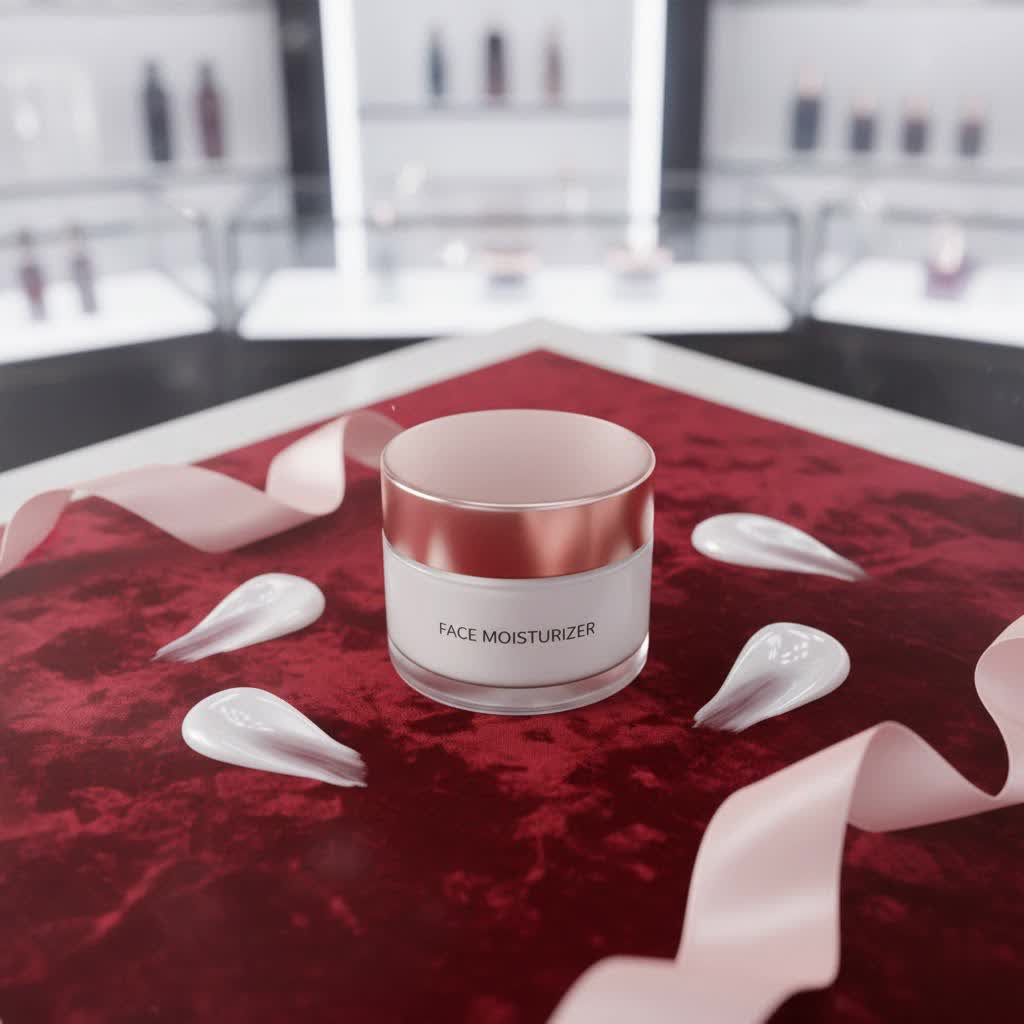
What is a Face Moisturizer and Why is it Essential?
A face moisturizer is a skincare product designed to hydrate the skin, prevent moisture loss, and protect the skin’s natural barrier. It essentially creates a protective layer on the skin’s surface, trapping water and keeping environmental irritants out. This simple step is fundamental to a healthy complexion because well-hydrated skin is more resilient, smoother, and less prone to issues like dryness, flakiness, irritation, and premature aging. Different skin types have varying needs; for instance, dry skin requires richer formulas, while oily skin benefits from lightweight, non-comedogenic options to balance hydration without exacerbating oiliness or clogging pores.
Key Ingredients to Look For in a Moisturizer
The effectiveness of a moisturizer largely depends on its ingredients, which typically fall into three main categories: humectants, emollients, and occlusives, often working synergistically. Understanding these components empowers you to make informed choices for your skin’s unique needs.
Humectants (Moisture Magnets)
Humectants are ingredients that attract water from the environment or deeper layers of the skin to the surface, significantly boosting hydration. They are crucial for drawing moisture into the stratum corneum, the skin’s outermost layer.
- Glycerin: A widely used, safe, and effective humectant that attracts and retains water on the skin’s surface, alleviating dryness.
- Hyaluronic Acid (HA) / Sodium Hyaluronate: A powerful hydrator capable of holding up to 1,000 times its weight in water. Available in various molecular weights, it provides hydration at different skin depths.
- Urea: Part of the skin’s natural moisturizing factor (NMF), it also helps soften the skin and has mild exfoliating properties.
- Propylene Glycol, Amino Acids, Lactates, Sodium PCA: Other common humectants that support skin hydration.
|
Our Picks for the Best Face Moisturizer in 2026
As an Amazon Associate I earn from qualifying purchases.
|
||
| Num | Product | Action |
|---|---|---|
| 1 | RoC Multi Correxion Even Tone + Lift 5-in-1 Daily Moisturizer, SPF 30, 1.7oz, Brightening, Firming, Hydrating, Paraben-free, Hypoallergenic |

|
| 2 | Tallow Face Cream Daytime – Brighten & Hydrate Moisturizer with Vitamin C, Peptides & Goji Berry Oil – Nourishing Grass-Fed Tallow Face Cream for Radiant, Smooth Skin – 2oz (57g) |
|
| 3 | CeraVe Daily Moisturizing Lotion for Dry Skin, Body Lotion & Face Moisturizer with Hyaluronic Acid and Ceramides, Daily Moisturizer, Fragrance Free, Oil-Free, 12 Ounce |
|
| 4 | Dr.Althea 345 Relief Cream - Moisturizer for Soothing Recovery and Blemish Care with PDRN & Niacinamide - Korean Vegan Skin Care for All Skin Types, 1.69 Fl Oz (Ver.2 - Pack of 1) |
|
| 5 | Vanicream Daily Facial Moisturizer With Ceramides and Hyaluronic Acid - Formulated Without Common Irritants for Those with Sensitive Skin, 3 fl oz (Pack of 1) |
|
| 6 | La Roche-Posay Toleriane Double Repair Face Moisturizer, Daily Moisturizer Face Cream with Ceramide & Niacinamide for All Skin Types, Immediate Comfort & Long Lasting Hydration, Fragrance Free |
|
| 7 | La Roche-Posay Toleriane Double Repair UV SPF Moisturizer for Face, Daily Facial Moisturizer with Sunscreen SPF 30, Niacinamide and Glycerin, Oil Free, Moisturizing Sun Protection |
|
| 8 | Neutrogena Fragrance Free Daily Facial Moisturizer, Face & Neck Moisturizer for Sensitive Skin with Vitamin B3, Pro-Vitamin B5 & Vitamin E Supports Skin's Dynamic Barrier, 3.4 fl. oz |
|
| 9 | La Roche-Posay Lipikar AP+ Triple Repair Moisturizing Cream - Face & Body Lotion For Dry Skin - Shea Butter & Niacinamide Moisturizer - Gentle Face & Body Cream For Dry, Rough & Sensitive Skin |
|
| 10 | L’Oreal Paris Collagen Daily Face Moisturizer, Anti Aging Face Cream to Reduce Wrinkles and Provide Intense Hydration, 1.7 oz |
|
Emollients (Skin Softeners)
Emollients work by filling the gaps between skin cells in the stratum corneum, repairing damaged lipid layers, and making the skin surface smoother and softer. They indirectly contribute to moisture retention by improving skin texture.
- Ceramides: Essential lipids naturally found in the skin’s barrier. They restore and strengthen the skin barrier, enhancing its water-retention capacity and protecting against external irritants.
- Fatty Alcohols: Ingredients like cetyl alcohol or stearyl alcohol form a smooth film on the skin’s surface, keeping it soft and reducing friction.
- Cholesterol: Works alongside ceramides to strengthen the skin’s barrier function.
- Plant Oils (e.g., Jojoba Oil, Coconut Oil, Olive Oil, Squalane): Rich in fatty acids and antioxidants, these oils offer deep hydration by trapping moisture in the skin and improving elasticity. Squalane, in particular, mimics natural sebum, making it fast-absorbing and non-comedogenic.
Occlusives (Moisture Lockers)
Occlusives form a protective film on the skin’s surface, creating a physical barrier to significantly reduce transepidermal water loss (TEWL) and lock moisture within the stratum corneum. These are especially effective for very dry or compromised skin.
- Petrolatum (Petroleum Jelly): A classic occlusive with strong water-locking capabilities, excellent for smoothing and protecting rough skin.
- Mineral Oil: A cost-effective and stable occlusive that sits on the skin to lock in water.
- Waxes (e.g., Beeswax): Helps lock in moisture by forming a physical barrier.
- Dimethicone: A silicone derivative often found in oil-free moisturizers, it forms a protective layer to hydrate and keep moisture in, without a greasy feel.
Other Beneficial Ingredients
Beyond the core three, many drugstore moisturizers include active ingredients that offer additional benefits, targeting specific skin concerns.
- Niacinamide (Vitamin B3): Helps regulate sebum production, reduces redness, minimizes pore appearance, and strengthens the skin barrier.
- Peptides: Stimulate collagen production, improving skin elasticity and reducing the appearance of fine lines and wrinkles.
- Vitamins C & E: Potent antioxidants that fight free radicals, prevent premature aging, and brighten the complexion.
- Panthenol (Vitamin B5): Known for its hydrating, reparative, and soothing properties, ideal for calming irritated skin.
- Centella Asiatica Extract (Cica) & Oat Extract: Offer anti-inflammatory and skin-healing properties, soothing sensitive or irritated skin.
- Retinol (Vitamin A): A powerful anti-aging ingredient that stimulates cell turnover, reducing wrinkles and dark spots, though it can be irritating for sensitive skin.
Choosing the Right Moisturizer for Your Skin Type
Selecting the perfect moisturizer begins with understanding your skin type. Using a product formulated for a different skin type can lead to undesirable results, such as breakouts, excessive oiliness, or insufficient hydration.
Dry Skin
Dry skin lacks both water and natural oils, often feeling tight, rough, and appearing dull or flaky. It requires deep hydration and robust ingredients to replenish lost moisture and reinforce the skin barrier.
- Look for: Rich creams or ointments with high concentrations of occlusives (like shea butter, petrolatum, squalane) to seal in moisture, along with humectants (hyaluronic acid, glycerin) and ceramides to repair the barrier.
- Avoid: Alcohol-based formulas and strong fragrances that can further strip the skin of its natural oils.
Oily Skin
Oily skin tends to overproduce sebum, leading to shine, enlarged pores, and acne. However, oily skin can also be dehydrated, triggering more oil production as it tries to compensate. The goal is balanced hydration without added greasiness or clogged pores.
- Look for: Oil-free, non-comedogenic gel or water-based moisturizers. Ingredients like niacinamide help regulate sebum, while hyaluronic acid and aloe vera provide lightweight hydration. Squalane is also an excellent option as it mimics natural sebum.
- Avoid: Heavy oils (like coconut oil, mineral oil) and thick, waxy creams that can clog pores.
Combination Skin
Combination skin typically features an oily T-zone (forehead, nose, chin) and drier or normal cheeks. This skin type needs a balancing act: hydrating dry areas while controlling oil in the T-zone.
- Look for: Lightweight lotions or gel-cream hybrids. Formulas with hyaluronic acid and glycerin offer balanced hydration. Ingredients like panthenol or plant extracts (e.g., tea tree) can help control oil in specific areas while soothing drier patches.
- Pro Tip: Consider using two different moisturizers – a lighter gel for the T-zone and a slightly richer lotion for the cheeks.
Sensitive Skin
Sensitive skin is prone to irritation, redness, stinging, and allergic reactions. It requires extremely gentle, soothing, and hydrating ingredients that support the skin barrier without triggering a reaction.
- Look for: Fragrance-free, hypoallergenic, and dermatologist-tested formulas. Calming ingredients such as colloidal oatmeal, allantoin, centella asiatica extract, panthenol, and ceramides are highly beneficial.
- Avoid: Essential oils, synthetic dyes, harsh preservatives (like parabens or sulfates), and especially fragrances. Always patch-test new products on a small area of skin before full-face application.
Normal Skin
Normal skin is balanced, neither too oily nor too dry, with minimal imperfections. The goal for normal skin is to maintain its natural equilibrium and protect against environmental stressors.
- Look for: Versatile, lightweight lotions or creams that provide consistent hydration without feeling heavy. Ingredients like hyaluronic acid, glycerin, and light emollients are excellent for maintaining natural moisture levels.
Top Drugstore Face Moisturizers: A Comparative Table
Choosing from the myriad of options can be daunting, but several drugstore moisturizers consistently earn high praise from experts and users alike for their efficacy and value. Here’s a comparative look at some top picks.
| Brand | Product Name | Key Ingredients | Skin Type | Pros | Cons | Price Range |
|---|---|---|---|---|---|---|
| La Roche-Posay | Toleriane Double Repair Face Moisturizer | Ceramides, Niacinamide, Glycerin | All, Sensitive | Nourishing, lightweight, fragrance-free, non-comedogenic, suitable under makeup | Can pill with certain serums/makeup | Mid |
| CeraVe | Daily Moisturizing Lotion | Ceramides, Hyaluronic Acid, Glycerin | Dry, Sensitive | Lightweight, deeply hydrating, National Eczema Association approved, fragrance-free | Pump packaging not preferred by some | Low |
| CeraVe | Moisturizing Cream | Ceramides, Hyaluronic Acid, Petrolatum | Dry, Sensitive | Rich, nourishing, strengthens skin barrier, versatile (face & body), soothing | Can feel heavy for daytime, takes effort to rub in | Low |
| Cetaphil | Daily Hydrating Lotion | Glycerin, Hyaluronic Acid | Combo, Sensitive | Ultra-light, spreads easily, absorbs seamlessly, non-comedogenic, fragrance-free | May require reapplication for very dry skin | Low |
| Pond’s | Dry Skin Cream Facial Moisturizer | Glycerin, Petrolatum | Dry, Nighttime | Velvety texture, super soothing, leaves skin soft, budget-friendly | Jar packaging (less sanitary/portable), thick consistency | Very Low |
| Versed | Dew Point Moisturizing Gel-Cream | Sodium Hyaluronate, Squalane, Aloe Leaf | Oily, Combo | Lightweight, quick-absorbing, cooling, hydrating like a gel with cream benefits, great under makeup | Less nourishing for super dry skin | Low |
| E.l.f. Cosmetics | Holy Hydration! Face Cream w/ SPF 30 | Hyaluronic Acid, Peptides, Squalane | All | Acts as makeup primer, vegan, cruelty-free, provides SPF 30 | Some reviewers dislike the scent | Very Low |
| Vanicream | Moisturizing Skin Cream | Petrolatum, Sorbitol | Sensitive, Dry | Incredibly gentle, deeply hydrating, non-comedogenic, free of dyes/fragrances/parabens | Can leave a slightly sticky finish for some | Low |
| Neutrogena | Hydro Boost Water Gel Moisturizer | Hyaluronic Acid | Oily, Acne-prone | Lightweight, oil-free, absorbs instantly, provides immediate hydration | Can feel “slimy” or cold, may not dry quickly on all skin types | Mid |
| Olay | Regenerist Micro-Sculpting Cream | Peptides, Hyaluronic Acid, Niacinamide | Mature | Firms, stimulates collagen, reduces fine lines, hydrating, fragrance-free | Some sensitive skin users report breakouts | Mid |
| RoC | Retinol Correxion Line Smoothing Max Hydration Cream | Retinol, Hyaluronic Acid | Mature | Reduces fine lines/wrinkles, hydrates, good for retinol beginners, non-comedogenic | Retinol may irritate sensitive skin initially | Mid |
How to Select the Perfect Drugstore Face Moisturizer (Buying Guide)
Choosing a moisturizer is a personal journey. Here’s a step-by-step guide to help you navigate the drugstore aisle with confidence.
Identify Your Skin Type
Before anything else, understand your skin. Cleanse your face, pat it dry, and wait 30 minutes without applying any products.
- Normal: Balanced, neither too oily nor too dry.
- Dry: Feels tight, flaky, or rough.
- Oily: Appears shiny, especially in the T-zone; enlarged pores.
- Combination: Oily T-zone, with dry or normal cheeks.
- Sensitive: Reacts easily to products with redness, stinging, or rashes.
- “Knowing your skin type isn’t just helpful—it’s essential,” says Christina Korouchtsidi, a Skincare Specialist. “Using the wrong moisturizer can disrupt your skin barrier, cause breakouts, or fail to address your skin’s true needs.”
Decipher Ingredient Lists
Once you know your skin type, look for ingredients that directly address its needs.
- Dry Skin: Prioritize occlusives (shea butter, petrolatum), humectants (HA, glycerin), and ceramides.
- Oily/Acne-prone Skin: Seek out oil-free, non-comedogenic formulas with hyaluronic acid, niacinamide, or squalane.
- Sensitive Skin: Opt for fragrance-free products with calming agents like panthenol, ceramides, or colloidal oatmeal.
- Mature Skin: Look for antioxidants (vitamins C, E), peptides, and retinol.
Research Reputable Brands
Drugstore brands like CeraVe, La Roche-Posay, Cetaphil, Olay, and Neutrogena have extensive research and dermatologist recommendations behind them. They consistently deliver effective formulas at accessible price points. Don’t be swayed by luxury branding alone; “a moisturizer does not need to be expensive to be effective,” notes dermatologist Hadley King.
Read User Reviews
While individual experiences vary, user reviews can offer valuable insights into a product’s texture, scent, and overall performance for different skin types. Look for patterns in feedback regarding absorption, greasiness, and irritation.
Test Before Committing (If Possible)
If you can, try samples or travel-sized versions of new moisturizers. Perform a patch test behind your ear or on your inner arm for a few days to check for any adverse reactions before applying it to your entire face. Allow at least two weeks of consistent use to truly assess a product’s effectiveness.
How to Use Your Face Moisturizer Effectively
Applying moisturizer correctly maximizes its benefits, ensuring your skin receives optimal hydration and protection. It’s not just about what you use, but how you use it.
When to Apply
The best times to apply face moisturizer are in the morning and evening, immediately after cleansing and applying any serums or treatments. Applying to slightly damp skin helps to lock in moisture more effectively.
The Steps for Usage
- Cleanse: Start with a gentle cleanser to remove dirt, oil, and makeup.
- Treat (Optional): Apply any toners, essences, or targeted serums.
- Moisturize: Dispense a pea-sized amount of moisturizer onto your fingertips.
- SPF (Morning): If your morning moisturizer doesn’t contain SPF, follow up with a broad-spectrum sunscreen of SPF 30 or higher.
The Right Amount
A little goes a long way. Typically, a pea-sized amount is sufficient for the entire face and neck. Using too much can make your skin feel greasy or lead to pilling, especially under makeup.
Massage Gently
Gently massage the moisturizer into your skin using upward, circular motions. This helps the product absorb evenly and can also stimulate blood circulation, giving your skin a healthy glow. Avoid harsh rubbing, which can irritate the skin.
Common Face Moisturizing Mistakes to Avoid
Even with the best intentions, it’s easy to fall into common moisturizing pitfalls that can hinder your skin health. Being aware of these mistakes can help you maintain a more effective skincare routine.
- Using a Moisturizer Not Suited for Your Skin Type: One of the most frequent errors is using a product that doesn’t align with your skin’s needs. For example, a heavy cream on oily skin can lead to breakouts, while a lightweight gel might be insufficient for dry skin. Always match the formulation to your skin’s biology.
- Skipping Cleansing Before Moisturizing: Applying moisturizer to uncleaned skin traps dirt, oil, and impurities, potentially leading to clogged pores and breakouts. Always start with a fresh canvas.
- Applying Too Much or Too Little: Over-applying can lead to a greasy feeling and product waste, while under-applying won’t provide adequate hydration and protection. Find the “just right” amount for your face.
- Inconsistent Application: Moisturizing is not a one-time fix; it’s a daily ritual. Skipping applications, especially morning or night, can disrupt your skin’s moisture barrier and negate the benefits of consistent use.
- Ignoring Seasonal or Climate Changes: Your skin’s needs can change with the seasons and environment. A rich cream might be perfect for dry winter air, but a lighter gel might be necessary during humid summer months. Adjust your routine accordingly.
- Prioritizing Price Over Ingredients: “A $10 drugstore moisturizer with proven actives often outperforms a $100 jar filled with fillers,” states a skincare expert. Focus on effective ingredients rather than high-end branding.
Conclusion
Finding the best drugstore face moisturizer is an achievable goal that doesn’t require breaking the bank. By understanding your skin type, recognizing the power of key ingredients like humectants, emollients, and occlusives, and adopting effective application techniques, you can unlock a radiant, healthy complexion. Remember that consistency and choosing products tailored to your individual skin needs will always trump fleeting trends or exorbitant prices. Your journey to perfectly hydrated skin starts with informed choices and a little patience.
What step in your moisturizing routine do you find most challenging, and why?
Frequently Asked Questions
What is the difference between a moisturizer and a hydrator?
A hydrator, like a hyaluronic acid serum, primarily adds water to the skin. A moisturizer, on the other hand, seals that water in using emollients and occlusives to prevent moisture loss. For optimal results, it’s best to use both: apply a hydrator first, then follow with a moisturizer.
Can I use body lotion on my face?
Generally, it’s not recommended. Body lotions often contain heavier oils, fragrances, and other ingredients that can be too rich, clog facial pores, or irritate the more delicate skin on your face. Stick to formulations specifically designed for facial use.
How often should I apply face moisturizer?
For most skin types, applying face moisturizer twice daily—once in the morning and once at night—after cleansing is ideal. You can reapply during the day if your skin feels exceptionally tight or dry, especially in arid environments or during harsh weather.
Do I need a separate moisturizer if my sunscreen or foundation has SPF?
Yes, it’s highly recommended to use a dedicated broad-spectrum sunscreen with SPF 30 or higher in addition to any SPF found in your moisturizer or foundation. SPF in makeup is often not applied in sufficient quantity to provide adequate protection.
What’s the best drugstore moisturizer for acne-prone skin?
For acne-prone skin, look for “non-comedogenic,” oil-free gels or lotions that contain ingredients like hyaluronic acid, niacinamide, or salicylic acid. These formulations provide hydration without clogging pores or exacerbating breakouts.
