Living with facial eczema can be a constant challenge, marked by dryness, redness, and persistent itching that impacts not just your skin, but your confidence and comfort. When your skin’s natural barrier is compromised, it becomes highly sensitive to irritants, making the quest for the right skincare products feel like an endless search. But what if there was a way to truly soothe, protect, and restore your delicate facial skin? This comprehensive guide, informed by years of expertise in skin care, will demystify the world of face moisturizers for eczema, helping you understand crucial ingredients, product types, and application techniques to achieve lasting relief and a healthier complexion.
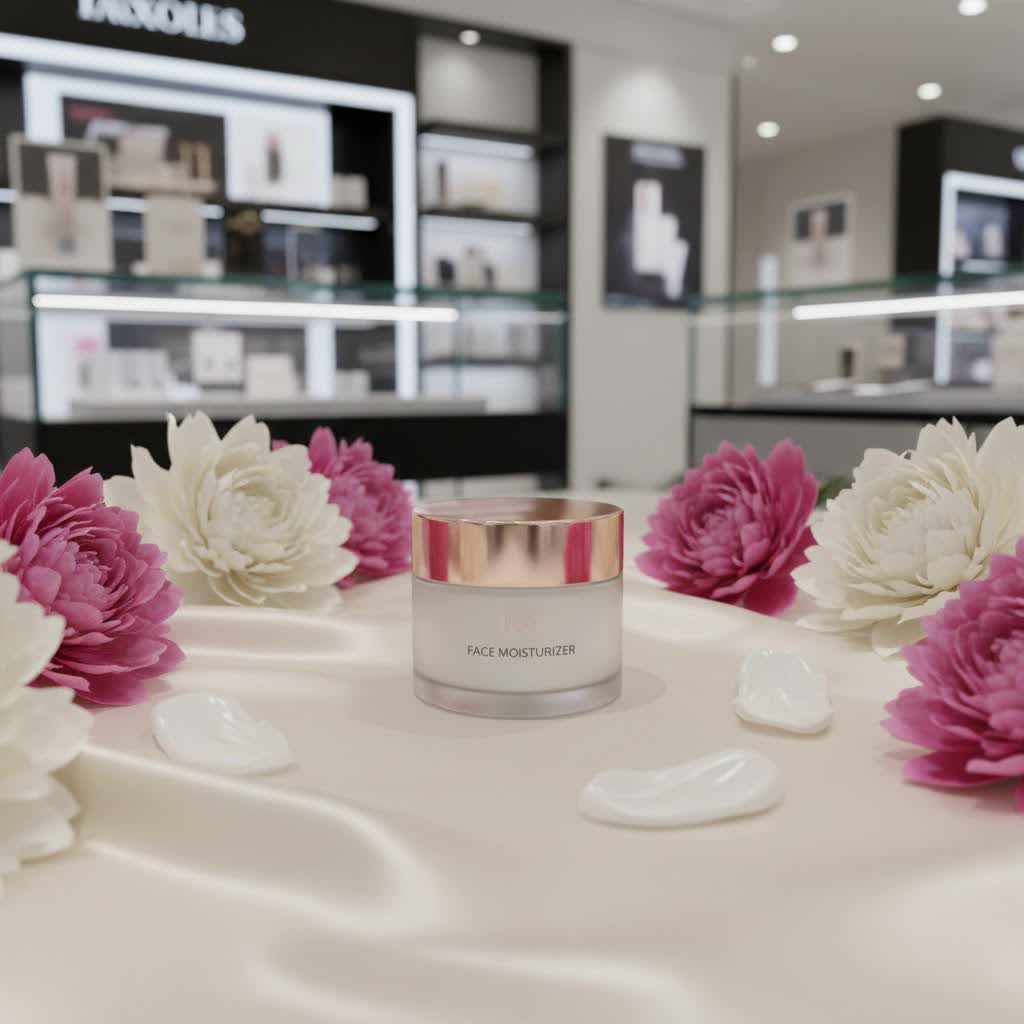
What is a Face Moisturizer, and Why is it Essential for Eczema-Prone Skin?
A face moisturizer is a topical product designed to hydrate the skin, improve its barrier function, and protect it from environmental stressors. For those with eczema, particularly on the face, moisturizers are far more than a cosmetic step; they are a cornerstone of effective skin management. Eczema, or atopic dermatitis, is characterized by a weakened skin barrier, which struggles to retain moisture and keep irritants out. This leads to dry, itchy, and inflamed skin. A well-chosen face moisturizer works to replenish lost lipids, reinforce the skin’s protective barrier, and lock in hydration, thereby reducing flare-ups, calming irritation, and fostering healing.
Understanding your skin type is crucial, even with eczema. While eczema is a condition, your underlying skin type (dry, oily, combination, sensitive, or normal) will influence the ideal texture and formulation of your moisturizer. For example, oily eczema-prone skin might benefit from lighter formulations, whereas extremely dry eczema will demand richer, more occlusive products.
Key Ingredients in Eczema Face Moisturizers
The effectiveness of a Face Moisturizer For Eczema hinges on its ingredient list. Knowing which components nourish and protect, and which can irritate, is paramount.
Humectants (Moisture Magnets)
Humectants are ingredients that attract water from the air and deeper skin layers to the surface, significantly boosting hydration. They are essential for plumping the skin and relieving dryness.
- Glycerin: A classic humectant, glycerin is highly effective, well-tolerated, and rarely causes irritation. It draws moisture into the skin, making it soft and supple.
- Hyaluronic Acid: Capable of holding up to 1,000 times its weight in water, hyaluronic acid is a powerful hydrator. It helps to keep the skin plump and reduces the appearance of dryness and flakiness without clogging pores.
- Urea: In lower concentrations, urea acts as a humectant and can gently exfoliate, improving the skin’s ability to absorb moisture.
- Panthenol (Provitamin B5): This ingredient not only hydrates but also soothes irritation and supports skin healing.
|
Our Picks for the Best Face Moisturizer in 2026
As an Amazon Associate I earn from qualifying purchases.
|
||
| Num | Product | Action |
|---|---|---|
| 1 | La Roche-Posay Lipikar AP+ Triple Repair Moisturizing Cream - Face & Body Lotion For Dry Skin - Shea Butter & Niacinamide Moisturizer - Gentle Face & Body Cream For Dry, Rough & Sensitive Skin |

|
| 2 | L’Oreal Paris Collagen Daily Face Moisturizer, Anti Aging Face Cream to Reduce Wrinkles and Provide Intense Hydration, 1.7 oz |
|
| 3 | La Roche-Posay Toleriane Double Repair UV SPF Moisturizer for Face, Daily Facial Moisturizer with Sunscreen SPF 30, Niacinamide and Glycerin, Oil Free, Moisturizing Sun Protection |
|
| 4 | Vanicream Daily Facial Moisturizer With Ceramides and Hyaluronic Acid - Formulated Without Common Irritants for Those with Sensitive Skin, 3 fl oz (Pack of 1) |
|
| 5 | Tallow Face Cream Daytime – Brighten & Hydrate Moisturizer with Vitamin C, Peptides & Goji Berry Oil – Nourishing Grass-Fed Tallow Face Cream for Radiant, Smooth Skin – 2oz (57g) |
|
| 6 | La Roche-Posay Toleriane Double Repair Face Moisturizer, Daily Moisturizer Face Cream with Ceramide & Niacinamide for All Skin Types, Immediate Comfort & Long Lasting Hydration, Fragrance Free |
|
| 7 | CeraVe Daily Moisturizing Lotion for Dry Skin, Body Lotion & Face Moisturizer with Hyaluronic Acid and Ceramides, Daily Moisturizer, Fragrance Free, Oil-Free, 12 Ounce |
|
| 8 | RoC Multi Correxion Even Tone + Lift 5-in-1 Daily Moisturizer, SPF 30, 1.7oz, Brightening, Firming, Hydrating, Paraben-free, Hypoallergenic |
|
| 9 | Dr.Althea 345 Relief Cream - Moisturizer for Soothing Recovery and Blemish Care with PDRN & Niacinamide - Korean Vegan Skin Care for All Skin Types, 1.69 Fl Oz (Ver.2 - Pack of 1) |
|
| 10 | Neutrogena Fragrance Free Daily Facial Moisturizer, Face & Neck Moisturizer for Sensitive Skin with Vitamin B3, Pro-Vitamin B5 & Vitamin E Supports Skin's Dynamic Barrier, 3.4 fl. oz |
|
Emollients (Skin Softeners)
Emollients work by filling in the gaps between skin cells, creating a smooth surface and improving flexibility. They help to repair the skin barrier and prevent water loss.
- Ceramides: These naturally occurring lipids make up over 50% of the skin’s barrier, acting like “glue” to hold skin cells together. Eczema-prone skin often has depleted ceramide levels, so topical ceramides are vital for barrier repair and moisture retention.
- Oils (e.g., Shea Butter, Squalane, Jojoba Oil): Rich in fatty acids and vitamins, these plant-derived oils provide deep nourishment, soothe dryness, and enhance skin suppleness. Shea butter is particularly known for its rich, creamy texture and healing properties. Squalane offers lightweight emollient benefits without heaviness.
- Colloidal Oatmeal: A superstar ingredient for eczema, colloidal oatmeal contains anti-inflammatory and antioxidant properties that calm redness, reduce itching, and strengthen the skin barrier.
Occlusives (Moisture Lockers)
Occlusives form a protective layer on the skin’s surface, preventing transepidermal water loss (TEWL) and sealing in the hydration provided by humectants and emollients. They are especially beneficial for very dry and compromised skin.
- Petrolatum (Petroleum Jelly): One of the most effective occlusives, petrolatum creates a strong barrier to lock in moisture. While sometimes perceived as greasy, it is non-comedogenic and rarely causes irritation, making it excellent for severe dryness and overnight use.
- Dimethicone: A silicone-based occlusive that creates a smooth, breathable barrier, reducing water loss without feeling heavy.
- Beeswax: A natural occlusive that helps to seal in moisture and protect the skin.
Other Beneficial Ingredients
- Niacinamide (Vitamin B3): This multitasking ingredient reduces redness, minimizes the appearance of pores, and strengthens the skin barrier, making it excellent for sensitive, reactive skin.
- Licorice Root Extract: Known for its anti-inflammatory and skin-soothing properties.
- Turmeric and Neem: These natural ingredients possess anti-inflammatory benefits that can help reduce skin inflammation associated with eczema.
- Aloe Vera: Offers soothing and healing properties, reducing redness and irritation.
Classifying Face Moisturizers by Skin Type
Choosing the right texture and formulation is key to successful eczema management. What works for one person might not work for another.
For Dry Skin
Characteristics: Feels tight, often flaky, prone to redness and itchiness.
Moisturizer Type: Look for rich, thick creams or ointments with a high oil content. These formulations provide intense hydration and create a robust barrier.
Key Ingredients: Ceramides, shea butter, petrolatum, hyaluronic acid, glycerin.
For Oily Skin
Characteristics: Shiny, prone to breakouts, yet can still experience eczema dryness and irritation.
Moisturizer Type: Opt for oil-free, non-comedogenic formulas, often in gel or lightweight lotion textures. These hydrate without adding excess oil or clogging pores.
Key Ingredients: Hyaluronic acid, glycerin, niacinamide, dimethicone. Avoid heavy occlusives if they feel too rich.
For Combination Skin
Characteristics: Oily in the T-zone, dry on cheeks and other areas.
Moisturizer Type: Seek balanced moisturizers, such as lotions or light creams, that can hydrate dry areas while being non-comedogenic for oily zones. Sometimes, using different products for different areas can be beneficial.
Key Ingredients: Ceramides, hyaluronic acid, niacinamide, squalane.
For Sensitive Skin
Characteristics: Easily irritated, reactive to many products, prone to redness, stinging, or burning. All eczema-prone skin is inherently sensitive.
Moisturizer Type: Prioritize products labeled “fragrance-free,” “dye-free,” and “hypoallergenic.” Minimal ingredient lists are often best.
Key Ingredients: Colloidal oatmeal, ceramides, glycerin, panthenol, petrolatum (ensure it’s pure).
For Normal Skin
Characteristics: Well-balanced, neither overly oily nor dry, fewer flare-ups.
Moisturizer Type: A versatile cream or lotion designed to maintain natural moisture balance is suitable. Focus on consistent hydration to prevent future flare-ups.
Key Ingredients: General mix of humectants and emollients like hyaluronic acid, glycerin, and light plant oils.
Comparing Popular Eczema Face Moisturizers
Selecting a product can be overwhelming, so here’s a generalized comparison of common types of eczema-friendly face moisturizers. Please note that specific product formulations change, and personal preference plays a significant role.
| Feature | Ointments (e.g., Petrolatum Jelly) | Thick Creams (e.g., CeraVe Moisturizing Cream, Avène XeraCalm) | Lightweight Lotions/Gels (e.g., Vanicream Lite Lotion, La Roche-Posay Toleriane Double Repair Face Moisturizer) |
|---|---|---|---|
| Texture | Very thick, greasy | Rich, creamy, may feel substantial | Light, fluid, non-greasy, fast-absorbing |
| Oil Content | Highest | High | Low to moderate |
| Barrier | Strongest occlusive barrier | Strong barrier repair and protection | Lighter barrier support, primarily hydration |
| Best For | Severe dryness, active flare-ups, overnight use, very compromised skin | Moderate to severe eczema, daily use, general barrier maintenance | Mild eczema, oily eczema-prone skin, daytime use under makeup, humid climates |
| Key Ing. | Petrolatum, Mineral Oil | Ceramides, Glycerin, Shea Butter, Colloidal Oatmeal, Hyaluronic Acid | Hyaluronic Acid, Glycerin, Niacinamide, Ceramides, Squalane |
| Pros | Highly effective moisture retention, non-irritating, excellent for healing cracks | Deeply hydrating, strengthens skin barrier, reduces itch, widely recommended by dermatologists | Hydrating, comfortable for daily wear, less likely to feel heavy or clog pores for certain skin types |
| Cons | Can feel very greasy, less aesthetically pleasing for daytime use | May feel too heavy for very oily skin or humid climates, can take longer to absorb | Less occlusive, may not provide enough barrier protection for severe eczema, can evaporate quickly |
| Price | Very affordable | Mid-range | Mid-range |
Your Guide to Choosing the Right Face Moisturizer
Navigating the vast array of products requires a strategic approach, especially with sensitive eczema-prone skin.
1. Identify Your Skin Type and Eczema Severity
Before anything else, understand your skin. Is it typically dry, oily, or combination, even with eczema? How severe are your eczema symptoms (mild dryness, persistent itching, frequent flare-ups, cracked skin)? This will guide you toward the appropriate texture and richness of your moisturizer. For example, severe dryness often demands an ointment, while mild cases might benefit from a cream or lotion.
2. Decode the Ingredient List
Become a label detective. Look for the “must-have” ingredients discussed earlier: ceramides, colloidal oatmeal, hyaluronic acid, glycerin, niacinamide, and occlusives like petrolatum or dimethicone. Equally important is to scout for what’s not there.
- Absolutely Avoid: Fragrance (even “unscented” can contain masking fragrances, so look for “fragrance-free”), dyes, and alcohol (especially ethanol or isopropyl alcohol). These are common irritants for eczema.
- Be Cautious With: Certain essential oils, retinoids, and alpha-hydroxy acids (AHAs) may be too harsh for active eczema flare-ups or very sensitive skin. Always patch test.
3. Research Reputable Brands
Opt for brands with a strong reputation for sensitive skin and dermatologist recommendations. Brands like CeraVe, La Roche-Posay, Aveeno, Eucerin, and Vanicream are frequently endorsed by dermatologists for their well-formulated, eczema-friendly products. Many of these brands also carry the National Eczema Association (NEA) Seal of Acceptance, indicating they are free from common irritants.
4. Consult User Reviews
While individual experiences vary, reading reviews from others with eczema can offer valuable insights into a product’s texture, absorption, and effectiveness in calming symptoms. Look for consistent positive feedback regarding soothing properties and lack of irritation.
5. Patch Test New Products
This step is non-negotiable for eczema-prone skin. Before applying a new moisturizer to your entire face, dab a small, pea-sized amount onto an inconspicuous area, such as behind your ear or on the inside of your elbow. Wait 24 to 48 hours to observe for any redness, itching, stinging, or irritation. If no reaction occurs, it’s generally safe to proceed with facial application.
How to Use Face Moisturizer Effectively for Eczema
Consistent and proper application is vital for managing facial eczema and maximizing your moisturizer’s benefits.
Timing is Everything
The golden rule for moisturizing eczema-prone skin is to apply it when your skin is still damp.
- Morning and Evening: Apply moisturizer twice daily, ideally after cleansing your face.
- Post-Bath/Shower: Within 3 minutes of stepping out of the shower or washing your face, gently pat your skin until it’s slightly damp, then immediately apply your moisturizer. This locks in the moisture from the water, preventing it from evaporating and further drying your skin.
The Right Application Steps
- Gentle Cleansing: Start with a mild, fragrance-free cleanser. Avoid hot water, which can strip natural oils.
- Pat Dry (Leave Damp): Gently pat your face with a soft towel, leaving a thin veil of moisture.
- Apply Medication First (If Applicable): If you use prescription topical medications for eczema, apply them as directed by your dermatologist before your moisturizer to ensure optimal absorption and efficacy.
- Generous Amount: Don’t skimp on your moisturizer. Apply a pea-sized to nickel-sized amount for your face, ensuring full coverage.
- Gentle Massage: Using clean fingertips, gently massage the moisturizer into your skin using upward and outward motions. This helps with absorption and avoids unnecessary tugging on sensitive skin.
- Reapply as Needed: If your skin feels particularly dry or tight during the day, don’t hesitate to reapply a small amount of moisturizer.
“The best moisturizer for eczema is the one you enjoy using and will apply consistently. Find a formula that feels good, is well-tolerated, and becomes a regular part of your daily routine.” – Dr. Sarah Chen, Dermatologist specializing in Atopic Dermatitis.
Common Mistakes When Moisturizing Eczema-Prone Facial Skin
Even with the best intentions, certain habits can inadvertently worsen facial eczema.
- Using the Wrong Product: The most frequent error is applying a moisturizer with irritating ingredients (fragrance, alcohol) or a texture unsuitable for your skin type and eczema severity. A lightweight lotion won’t provide enough barrier support for severe eczema, just as a heavy ointment might feel occlusive and contribute to breakouts on oily skin.
- Skipping Cleansing: While over-cleansing is detrimental, neglecting to gently cleanse your face before moisturizing can prevent proper absorption and lead to product buildup, potentially trapping irritants.
- Applying to Dry Skin: Waiting too long after washing your face means your skin has lost valuable moisture, reducing the effectiveness of your moisturizer. The “damp skin” rule is crucial.
- Using Too Little or Too Much: Too little product won’t provide adequate hydration or barrier protection. Too much can sometimes feel heavy or prevent other products from absorbing properly. Find a balance that covers your skin comfortably.
- Lack of Consistency: Eczema is a chronic condition that requires consistent management. Skipping moisturizing, even for a day, can quickly lead to dryness and a weakened barrier, making your skin more vulnerable to flare-ups. Regular, twice-daily application is key.
- Ignoring a Reaction: If a new product causes stinging, redness, or increased itching, stop using it immediately, even if it’s “dermatologist recommended.” Individual sensitivities vary.
Conclusion
Managing facial eczema effectively centers on understanding and nurturing your skin. The right face moisturizer is not merely a product, but a vital tool in your daily regimen, working to restore your skin’s natural barrier, alleviate discomfort, and protect against environmental triggers. By prioritizing gentle, fragrance-free formulations rich in humectants, emollients, and occlusives, and by adopting a consistent application routine, you can significantly improve the health and resilience of your eczema-prone facial skin. Remember to listen to your skin, patch test new products, and seek formulations that truly bring comfort and calm. What small step will you take today to embrace a more radiant and comfortable complexion?
Frequently Asked Questions
Is “unscented” the same as “fragrance-free” for eczema moisturizers?
No, “unscented” products may contain masking fragrances to neutralize odors, which can still irritate sensitive, eczema-prone skin. Always look for products specifically labeled as “fragrance-free” to ensure no added fragrance compounds are present.
How often should I apply face moisturizer if I have eczema?
It is generally recommended to apply face moisturizer at least twice daily, in the morning and evening, ideally within three minutes after cleansing or bathing, when your skin is still damp. You may reapply more frequently throughout the day if your skin feels particularly dry or itchy.
Can I use the same moisturizer for my body and face if I have eczema?
Many moisturizers formulated for eczema are suitable for both the face and body. However, facial skin can be more delicate and sensitive. If a body moisturizer feels too thick or occlusive for your face, or if it contains ingredients that might clog pores on your face, it’s best to opt for a dedicated facial moisturizer that is non-comedogenic and specifically designed for sensitive facial skin.
What if my eczema moisturizer causes a burning or stinging sensation?
If any moisturizer causes a burning or stinging sensation, stop using it immediately and gently rinse your face with cool water. This indicates an allergic reaction or irritation. Consult your dermatologist to identify potential triggers and find a more suitable product.
Are natural oils good face moisturizers for eczema?
Some natural oils like jojoba oil or shea butter can act as emollients and occlusives, offering benefits for eczema. However, not all natural oils are suitable, and some can cause irritation or clog pores. It’s crucial to ensure any natural oil is pure, free of added fragrances, and patch test it before widespread facial use. Formulated moisturizers often provide a more balanced and effective blend of ingredients.
