Navigating the world of skincare can feel like a complex journey, especially when you’re seeking the ideal face moisturizer for dry, sensitive skin. This unique skin type demands a delicate balance of hydration and soothing care, often reacting to environmental stressors or harsh ingredients with redness, flaking, or irritation. Finding a product that not only replenishes lost moisture but also strengthens your skin’s natural defenses is crucial for achieving a healthy, radiant complexion. This comprehensive guide will help you understand the nuances of dry sensitive skin, uncover essential ingredients, and provide expert advice to select the perfect face moisturizer for your needs.
What is a Face Moisturizer? Why is it Essential?
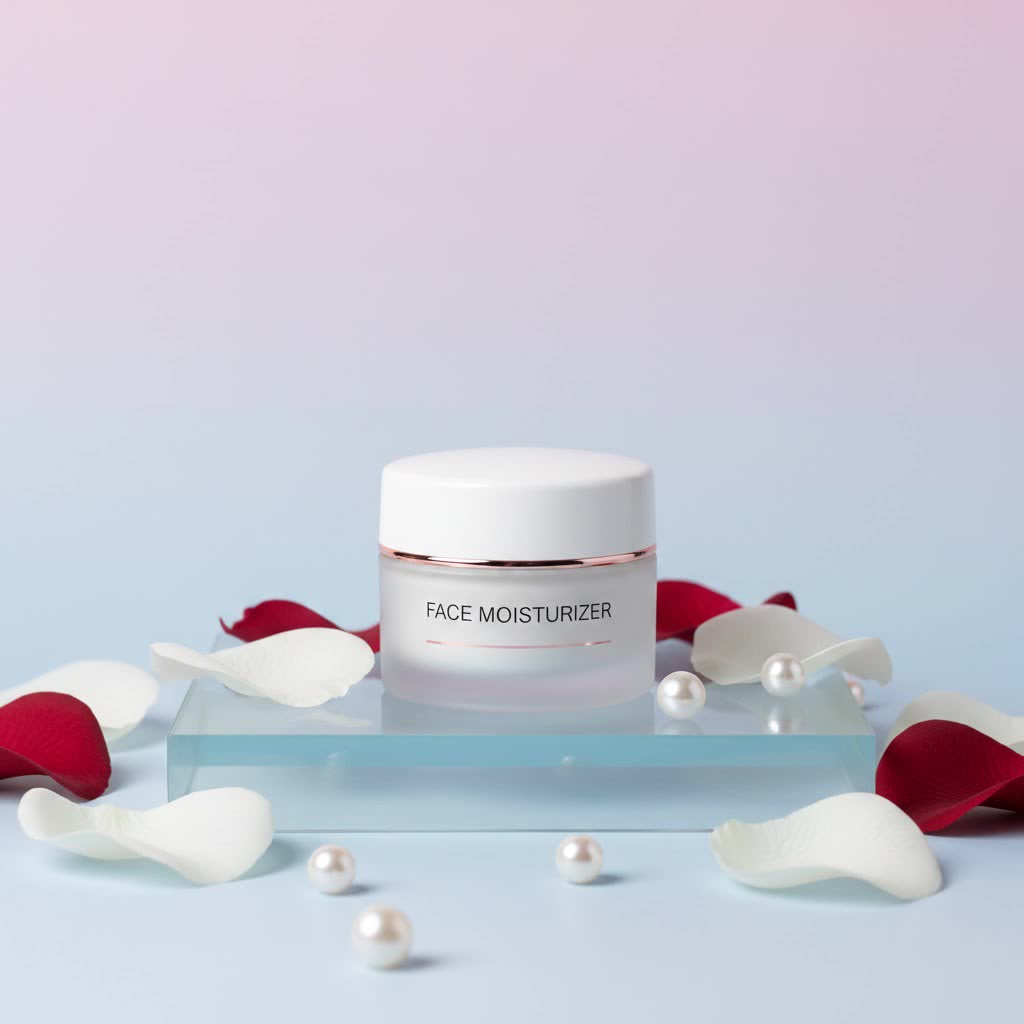
A face moisturizer is a skincare product designed to hydrate the skin’s outermost layers, providing a protective barrier against external aggressors and locking in much-needed moisture. For dry skin, which naturally lacks sufficient sebum (natural oils), moisturizers are vital to prevent tightness, flaking, and a compromised skin barrier. Sensitive skin, on the other hand, is prone to reacting intensely to various triggers, often due to heightened nerve endings or a weakened barrier. When these two conditions coexist, a well-formulated face moisturizer becomes indispensable. It not only delivers essential hydration but also calms inflammation, reduces sensitivity, and reinforces the skin barrier, allowing your skin to feel comfortable and appear smoother.
Key Ingredients in Moisturizers for Dry, Sensitive Skin
The effectiveness of a face moisturizer for dry, sensitive skin largely depends on its ingredient profile. Look for formulations that are rich in barrier-supporting and soothing compounds while avoiding potential irritants.
Humectants (Moisture Magnets)
Humectants are ingredients that attract water from the air and deeper layers of the skin, binding it to the skin’s surface to boost hydration. They are crucial for plumping the skin and maintaining suppleness.
- Glycerin: A common and highly effective humectant that helps draw moisture into the skin.
- Hyaluronic Acid: A powerful molecule capable of holding up to 1,000 times its weight in water, providing deep hydration without clogging pores.
- Aloe Vera: Known for its soothing and hydrating properties, it helps calm irritated skin.
- Colloidal Oatmeal: A gentle ingredient that helps to calm irritation, reduce redness, and lock in moisture, making it excellent for sensitive skin.
|
Our Picks for the Best Face Moisturizer in 2026
As an Amazon Associate I earn from qualifying purchases.
|
||
| Num | Product | Action |
|---|---|---|
| 1 | L’Oreal Paris Collagen Daily Face Moisturizer, Anti Aging Face Cream to Reduce Wrinkles and Provide Intense Hydration, 1.7 oz |

|
| 2 | Dr.Althea 345 Relief Cream - Moisturizer for Soothing Recovery and Blemish Care with PDRN & Niacinamide - Korean Vegan Skin Care for All Skin Types, 1.69 Fl Oz (Ver.2 - Pack of 1) |
|
| 3 | La Roche-Posay Toleriane Double Repair Face Moisturizer, Daily Moisturizer Face Cream with Ceramide & Niacinamide for All Skin Types, Immediate Comfort & Long Lasting Hydration, Fragrance Free |
|
| 4 | La Roche-Posay Lipikar AP+ Triple Repair Moisturizing Cream - Face & Body Lotion For Dry Skin - Shea Butter & Niacinamide Moisturizer - Gentle Face & Body Cream For Dry, Rough & Sensitive Skin |
|
| 5 | Neutrogena Fragrance Free Daily Facial Moisturizer, Face & Neck Moisturizer for Sensitive Skin with Vitamin B3, Pro-Vitamin B5 & Vitamin E Supports Skin's Dynamic Barrier, 3.4 fl. oz |
|
| 6 | CeraVe Daily Moisturizing Lotion for Dry Skin, Body Lotion & Face Moisturizer with Hyaluronic Acid and Ceramides, Daily Moisturizer, Fragrance Free, Oil-Free, 12 Ounce |
|
| 7 | Vanicream Daily Facial Moisturizer With Ceramides and Hyaluronic Acid - Formulated Without Common Irritants for Those with Sensitive Skin, 3 fl oz (Pack of 1) |
|
| 8 | Tallow Face Cream Daytime – Brighten & Hydrate Moisturizer with Vitamin C, Peptides & Goji Berry Oil – Nourishing Grass-Fed Tallow Face Cream for Radiant, Smooth Skin – 2oz (57g) |
|
| 9 | La Roche-Posay Toleriane Double Repair UV SPF Moisturizer for Face, Daily Facial Moisturizer with Sunscreen SPF 30, Niacinamide and Glycerin, Oil Free, Moisturizing Sun Protection |
|
| 10 | RoC Multi Correxion Even Tone + Lift 5-in-1 Daily Moisturizer, SPF 30, 1.7oz, Brightening, Firming, Hydrating, Paraben-free, Hypoallergenic |
|
Emollients (Skin Softeners)
Emollients work to smooth and soften the skin by filling in the tiny cracks within the skin barrier. They improve skin texture and reduce roughness.
- Ceramides: These waxy lipid molecules are naturally found in the skin barrier and are vital for repairing and strengthening it, protecting against irritants.
- Shea Butter: A rich, natural emollient that provides intense nourishment and helps to smooth and soften dry skin.
- Jojoba Oil: A plant-derived oil that mimics the skin’s natural sebum, offering balanced hydration and soothing benefits.
- Squalane: A lightweight yet effective emollient that provides intense hydration and helps to prevent moisture loss.
Occlusives (Moisture Sealants)
Occlusives form a protective layer on the skin’s surface, preventing water from evaporating and effectively sealing in moisture and other beneficial ingredients.
- Petrolatum: A highly effective occlusive that creates a strong barrier to prevent trans-epidermal water loss.
- Dimethicone: A silicone-based occlusive that provides a smooth feel and helps to lock in moisture without feeling heavy.
- Beeswax: A natural occlusive that forms a breathable barrier on the skin.
Other Beneficial Ingredients
Beyond the core hydrators and barrier repairers, certain ingredients offer additional benefits for dry, sensitive skin.
- Niacinamide (Vitamin B3): Helps improve skin texture, reduce redness, and strengthen the skin’s moisture barrier.
- Vitamin E (Tocopherol): An antioxidant that helps protect the skin from environmental damage and supports overall skin health.
Choosing a Face Moisturizer by Skin Type
Selecting the right moisturizer means understanding your skin’s specific needs, especially when dealing with both dryness and sensitivity.
For Dry Skin
If your primary concern is dryness, characterized by tightness, flaking, and a rough texture, you’ll benefit from richer, more intensive formulas. Look for creams and balms that are packed with emollients like shea butter, ceramides, and natural oils, along with strong occlusives to effectively seal in moisture. These products are designed to provide sustained hydration and repair a compromised lipid barrier.
For Sensitive Skin
Sensitive skin requires a gentle touch. The key here is to avoid known irritants that can trigger redness, itching, or stinging. Opt for products labeled “fragrance-free,” “alcohol-free,” “hypoallergenic,” and “dermatologist-tested.” Simpler formulations with fewer ingredients are often best, as they reduce the likelihood of a reactive ingredient. Look for soothing components like aloe vera or colloidal oatmeal.
For Dry & Sensitive Skin
When dryness and sensitivity converge, the challenge is amplified. Your moisturizer must not only provide deep, lasting hydration but also be exceptionally gentle and focused on barrier repair. Seek out fragrance-free creams rich in ceramides, hyaluronic acid, and glycerin. These formulas work to rebuild the skin’s protective barrier, replenish moisture, and calm any existing irritation without introducing new triggers. “Choosing a moisturizer for dry and sensitive skin isn’t about luxury—it’s about function. Look for products that reinforce the skin barrier, avoid known irritants like fragrance and alcohol, and contain proven humectants and emollients,” advises Christina Korouchtsidi, a Skincare Specialist with extensive clinical experience.
Guide to Selecting the Right Moisturizer
Finding your ideal Face Moisturizer For Dry Sensitive Skin involves a thoughtful approach, focusing on ingredients and personal compatibility.
Understand Your Skin
Begin by truly understanding your skin’s unique characteristics. Do you experience constant tightness? Is redness a frequent issue? Does your skin react quickly to new products? Identifying these patterns will guide your choices. Dry skin feels taut and may look flaky, while sensitive skin shows signs of irritation easily.
Decipher Ingredient Lists
Become a savvy label reader. Actively avoid products containing:
- Artificial Fragrances: A common culprit for sensitive skin irritation.
- Alcohols (especially denatured alcohol): Can be drying and irritating.
- Harsh Preservatives: Some can trigger reactions in sensitive skin.
Conversely, prioritize the beneficial humectants, emollients, and occlusives mentioned earlier, such as hyaluronic acid, ceramides, glycerin, and shea butter.
Reputation & Testing
Look for products that are:
- Dermatologist-Tested: Indicates the product has been reviewed or tested under dermatological supervision.
- Non-Comedogenic: Means it’s formulated not to clog pores, reducing the risk of breakouts.
- Hypoallergenic: Designed to minimize the potential for allergic reactions.
User Reviews & Patch Testing
While online reviews can offer helpful insights from others with similar skin types, remember that skin is highly individual. Always perform a patch test before applying a new product to your entire face. Apply a small amount to an inconspicuous area (like behind your ear or on your inner arm) for 24-48 hours to check for any adverse reactions.
How to Use Face Moisturizer Effectively
Proper application is just as important as choosing the right product to maximize its benefits for your dry, sensitive skin.
Optimal Application Time
The best time to apply face moisturizer is when your skin is still slightly damp, typically after cleansing, toning, and applying any serums. This helps to seal in the moisture from the water and previous products, enhancing hydration. Apply twice daily: in the morning to protect against environmental stressors and at night to support skin repair and regeneration.
Skincare Routine Order
Integrate your moisturizer as one of the final steps in your routine. After cleansing, follow with any treatments or serums, and then apply your moisturizer. If you use a face oil, it typically goes after your moisturizer to lock everything in.
Correct Amount
Using the right amount is key. A pea-sized to dime-sized amount is usually sufficient for the face. Using too much can feel heavy and potentially clog pores, while too little won’t provide adequate hydration. Listen to your skin and adjust as needed.
Gentle Massage
Apply the moisturizer with clean fingertips, gently massaging it into your skin using upward, circular motions. This helps the product absorb evenly and stimulates blood flow without tugging or pulling at delicate skin. Avoid aggressive rubbing, especially on sensitive areas.
Common Moisturizing Mistakes to Avoid
Even with the right product, certain habits can undermine your efforts to hydrate and soothe dry, sensitive skin.
- Over-Cleansing or Using Harsh Cleansers: Stripping your skin’s natural oils through excessive washing or harsh cleansers can exacerbate dryness and compromise the skin barrier, making it more sensitive. Opt for gentle, hydrating, fragrance-free cleansers.
- Not Moisturizing Damp Skin: Waiting too long after washing your face allows water to evaporate, taking your skin’s natural moisture with it. Always apply moisturizer within a minute or two of cleansing to lock in hydration.
- Using the Wrong Moisturizer: A lightweight lotion suitable for oily skin will likely be insufficient for dry, sensitive skin. Conversely, a very heavy cream might feel occlusive if your skin is only mildly dry. Always match your moisturizer to your specific skin needs.
- Skipping Exfoliation (or Over-Exfoliating): Irregular exfoliation can lead to a build-up of dead skin cells, preventing your moisturizer from penetrating effectively. However, over-exfoliating can strip the skin and cause irritation. Choose a very gentle chemical exfoliant designed for sensitive skin, used sparingly.
- Ignoring Product Ingredients: Not checking for irritating ingredients like fragrances, dyes, or harsh alcohols can lead to continuous flare-ups in sensitive skin.
- Inconsistent Application: Moisturizing is not a one-time fix; it’s a daily commitment. Consistent morning and evening application is essential for maintaining skin health and barrier function.
Conclusion
Finding the perfect face moisturizer for dry sensitive skin is a journey of understanding, careful selection, and consistent care. By prioritizing formulations rich in humectants, emollients, and occlusives, while consciously avoiding common irritants like fragrances and harsh chemicals, you can provide your skin with the nurturing it needs. Remember, a good moisturizer not only quenches dryness and soothes sensitivity but also fortifies your skin’s natural barrier, leading to a more resilient, comfortable, and radiant complexion. Experiment patiently, observe how your skin responds, and empower yourself with the knowledge to make informed choices. What positive changes have you noticed since committing to a targeted moisturizing routine for your dry, sensitive skin?
Frequently Asked Questions
Should I use a separate moisturizer for day and night if I have dry sensitive skin?
For dry sensitive skin, using different moisturizers for day and night can be beneficial. A daytime moisturizer might include SPF for sun protection and a lighter texture, while a nighttime formula can be richer, focusing on intense hydration and barrier repair without SPF, allowing the skin to rejuvenate overnight.
Can men with dry sensitive skin benefit from face moisturizers?
Absolutely. Men’s skin, like women’s, can experience dryness and sensitivity due to genetics, environmental factors, or shaving. Using a dedicated face moisturizer helps hydrate, soothe irritation, and strengthen the skin barrier, leading to healthier, more comfortable skin for all.
