Stepping into the vast world of skincare, few products hold as much universal importance as Face Moisturizers. For many, it’s a simple step, yet for countless others, finding the ideal one feels like an endless quest. Imagine a product that not only quenches your skin’s thirst but also acts as a silent guardian, shielding it from daily aggressors and preserving its youthful vitality. With over a decade of dedicated experience researching, testing, and evaluating hundreds of formulations, from everyday essentials to luxurious treatments, I understand the intricate science behind these vital products. This comprehensive guide is designed to empower you with the knowledge to navigate ingredient lists, understand your skin’s unique needs, and ultimately discover the face moisturizer that will leave your complexion healthy, radiant, and perfectly balanced.
What is a Face Moisturizer and Why is it Essential?
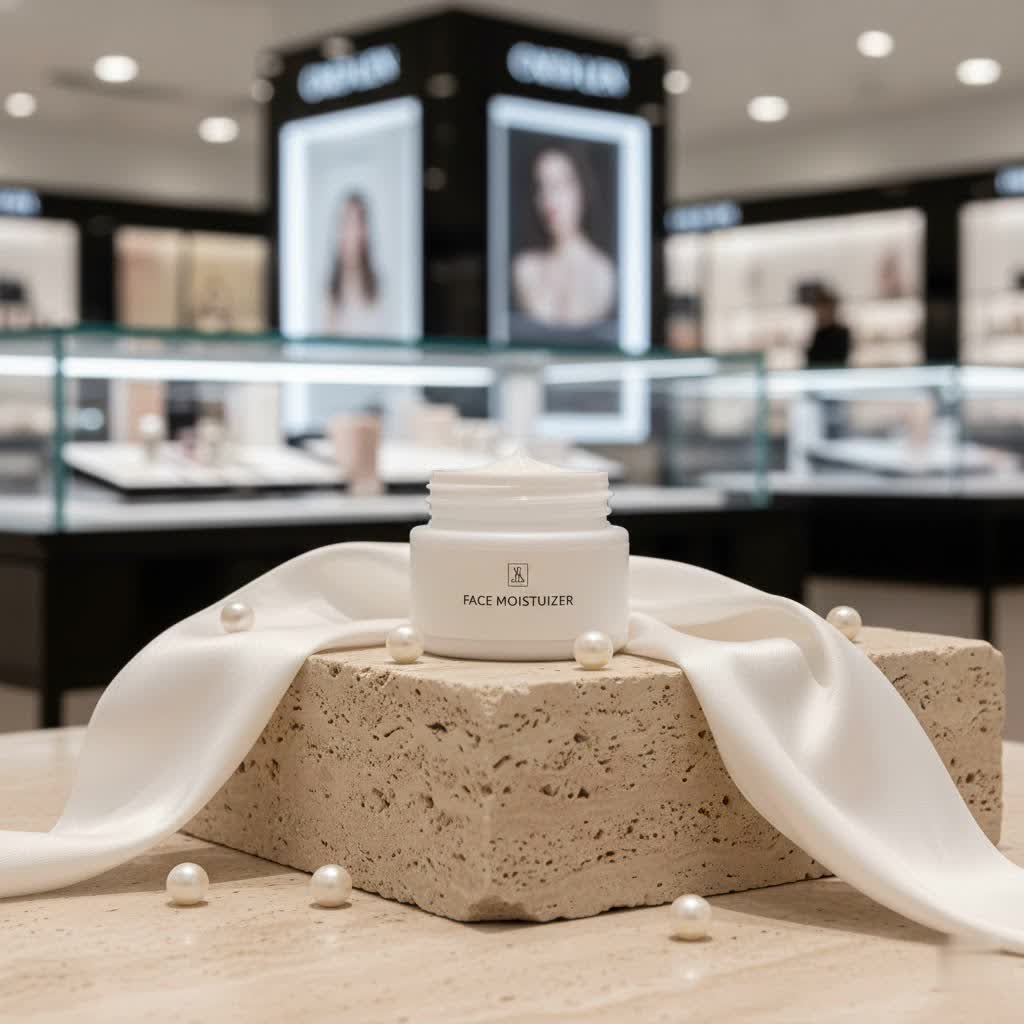
A face moisturizer is a skincare product designed to hydrate and protect the outermost layer of your skin, known as the stratum corneum. Its primary function is to seal moisture into the skin, preventing transepidermal water loss (TEWL), while also drawing in additional hydration from the environment or deeper skin layers. Beyond simple hydration, moisturizers support the skin’s natural barrier function, a critical defense mechanism against environmental stressors like pollution, harsh weather, and irritants.
The importance of daily moisturizing cannot be overstated. A well-hydrated skin barrier is more resilient, less prone to dryness, flakiness, irritation, and even premature aging. It maintains elasticity, promotes a smoother texture, and provides a healthier canvas for makeup application. Every skin type, whether dry, oily, combination, sensitive, or normal, benefits immensely from a tailored moisturizing routine, as each has distinct needs that the right moisturizer can address.
Key Ingredients in Face Moisturizers
Understanding the building blocks of your face moisturizer is crucial for selecting a product that truly works for you. Moisturizing ingredients generally fall into three main categories: humectants, emollients, and occlusives, often working in synergy within a single formula.
Humectants: The Moisture Magnets
These ingredients are hydrophilic, meaning they attract water like a magnet from the atmosphere and deeper layers of the skin, pulling it to the surface. This helps to plump up the skin and provide instant hydration.
- Glycerin: A common and highly effective humectant, often derived from vegetable oils. It’s excellent for drawing moisture into the skin and improving overall hydration.
- Hyaluronic Acid (HA): A powerhouse humectant capable of holding up to 1,000 times its weight in water, resulting in plump, smooth skin. Sodium hyaluronate is a salt form of HA, which penetrates deeper due to its smaller molecular size.
- Honey: A natural humectant with additional antibacterial and soothing properties.
|
Our Picks for the Best Face Moisturizer in 2026
As an Amazon Associate I earn from qualifying purchases.
|
||
| Num | Product | Action |
|---|---|---|
| 1 | Neutrogena Fragrance Free Daily Facial Moisturizer, Face & Neck Moisturizer for Sensitive Skin with Vitamin B3, Pro-Vitamin B5 & Vitamin E Supports Skin's Dynamic Barrier, 3.4 fl. oz |

|
| 2 | RoC Multi Correxion Even Tone + Lift 5-in-1 Daily Moisturizer, SPF 30, 1.7oz, Brightening, Firming, Hydrating, Paraben-free, Hypoallergenic |
|
| 3 | L’Oreal Paris Collagen Daily Face Moisturizer, Anti Aging Face Cream to Reduce Wrinkles and Provide Intense Hydration, 1.7 oz |
|
| 4 | Vanicream Daily Facial Moisturizer With Ceramides and Hyaluronic Acid - Formulated Without Common Irritants for Those with Sensitive Skin, 3 fl oz (Pack of 1) |
|
| 5 | La Roche-Posay Toleriane Double Repair UV SPF Moisturizer for Face, Daily Facial Moisturizer with Sunscreen SPF 30, Niacinamide and Glycerin, Oil Free, Moisturizing Sun Protection |
|
| 6 | La Roche-Posay Lipikar AP+ Triple Repair Moisturizing Cream - Face & Body Lotion For Dry Skin - Shea Butter & Niacinamide Moisturizer - Gentle Face & Body Cream For Dry, Rough & Sensitive Skin |
|
| 7 | La Roche-Posay Toleriane Double Repair Face Moisturizer, Daily Moisturizer Face Cream with Ceramide & Niacinamide for All Skin Types, Immediate Comfort & Long Lasting Hydration, Fragrance Free |
|
| 8 | Tallow Face Cream Daytime – Brighten & Hydrate Moisturizer with Vitamin C, Peptides & Goji Berry Oil – Nourishing Grass-Fed Tallow Face Cream for Radiant, Smooth Skin – 2oz (57g) |
|
| 9 | CeraVe Daily Moisturizing Lotion for Dry Skin, Body Lotion & Face Moisturizer with Hyaluronic Acid and Ceramides, Daily Moisturizer, Fragrance Free, Oil-Free, 12 Ounce |
|
| 10 | Dr.Althea 345 Relief Cream - Moisturizer for Soothing Recovery and Blemish Care with PDRN & Niacinamide - Korean Vegan Skin Care for All Skin Types, 1.69 Fl Oz (Ver.2 - Pack of 1) |
|
Emollients: The Skin Smoothers
Emollients are responsible for softening and smoothing the skin’s texture by filling in the tiny gaps between skin cells. They impart a soft, supple feel and help improve the skin’s overall appearance.
- Ceramides: Waxy lipid molecules naturally found in the skin barrier. They are vital for restoring the skin’s lipid matrix and reinforcing barrier repair.
- Plant Oils: Ingredients like jojoba oil, meadowfoam seed oil, and avocado oil are rich in fatty acids and vitamins, providing nourishment and a silky feel without feeling heavy.
- Shea Butter: A rich, natural emollient packed with fatty acids and vitamins, excellent for softening and sealing moisture into the skin.
Occlusives: The Moisture Locks
Occlusives create a physical barrier on the skin’s surface, acting like a protective seal to prevent moisture from evaporating. They are essential for locking in hydration, especially for dry or compromised skin.
- Petrolatum (Petroleum Jelly): One of the most effective occlusives, forming a strong barrier to significantly prevent water loss.
- Beeswax: A natural wax that forms a protective, breathable layer on the skin, helping to lock in moisture.
- Silicones (e.g., Dimethicone, Cyclomethicone): These man-made compounds create a smooth, non-greasy film on the skin, reducing TEWL and providing a silky texture.
Beyond the Basics: Vitamins, Antioxidants, Peptides
Many modern face moisturizers go beyond basic hydration, incorporating active ingredients to target specific concerns:
- Vitamins (C, E, A): Potent antioxidants that protect against environmental damage, improve skin tone, and support cellular renewal.
- Antioxidants: Ingredients like green tea extract or ferulic acid combat free radicals, which contribute to premature aging.
- Peptides: Short chains of amino acids that can signal the skin to produce more collagen, improving firmness and reducing fine lines.
- Niacinamide (Vitamin B3): Known for its multi-tasking abilities, it helps improve skin barrier function, reduce inflammation, minimize pores, and regulate oil production.
Choosing the Right Face Moisturizer for Your Skin Type
The secret to a healthy complexion lies in identifying your unique skin type and selecting a face moisturizer formulated to meet its specific needs.
Dry Skin: Rich and Restorative Hydration
If your skin often feels tight, flaky, or rough, you have dry skin. This type requires a face moisturizer with a rich, creamy texture, high in emollients and occlusives to deeply hydrate and lock in moisture. Look for ingredients like ceramides, shea butter, squalane, hyaluronic acid, and petrolatum. These formulas will help to repair a compromised skin barrier and provide lasting comfort.
Oily Skin: Lightweight and Balancing Formulas
Oily skin is characterized by excess sebum production, often leading to shine and enlarged pores. The ideal face moisturizer for oily skin is lightweight, non-comedogenic (won’t clog pores), and often oil-free. Gel or lotion textures are usually preferred. Key ingredients include hyaluronic acid, glycerin, niacinamide, and aloe vera to provide hydration without adding greasiness. Some formulations might include salicylic acid to help manage oil and prevent breakouts.
Combination Skin: Harmonizing Your Complexion
Combination skin presents a unique challenge, with oily areas (typically the T-zone) and drier patches (cheeks). A balanced face moisturizer is essential. You might opt for a lightweight lotion or gel that hydrates without exacerbating oiliness, or consider “skin cycling” different moisturizers for different areas or times of day. Focus on ingredients like hyaluronic acid, glycerin, and niacinamide that provide balanced hydration.
Sensitive Skin: Gentle Care and Calming Support
Sensitive skin is prone to redness, irritation, and allergic reactions. The most important rule for this skin type is to choose a face moisturizer that is fragrance-free, dye-free, alcohol-free, and hypoallergenic. Formulas rich in soothing ingredients like aloe vera, chamomile, ceramides, and colloidal oatmeal can help calm inflammation and strengthen the skin barrier without causing further irritation.
Normal Skin: Maintaining Natural Radiance
If your skin is neither excessively oily nor dry, you’re blessed with normal skin. The goal here is to maintain its natural balance and prevent future issues. A versatile, well-rounded lotion or cream with a blend of humectants and emollients is usually sufficient. Look for formulations that offer antioxidant protection for daily defense.
Popular Face Moisturizer Comparisons
| Feature | Lightweight Gel Moisturizer | Rich Cream Moisturizer | Balanced Lotion Moisturizer |
|---|---|---|---|
| Texture | Gel or Gel-cream; fast-absorbing | Thick, creamy, luxurious | Light cream or fluid lotion |
| Key Ingredients | Hyaluronic Acid, Glycerin, Aloe Vera, Niacinamide | Ceramides, Shea Butter, Squalane, Peptides, Oils | Hyaluronic Acid, Glycerin, Light Oils, Antioxidants |
| Skin Type | Oily, Combination, Acne-prone, Normal (summer) | Dry, Very Dry, Mature, Normal (winter) | Normal, Combination, Slightly Dry, Slightly Oily |
| Pros | Non-greasy, refreshing, ideal for humid climates | Deeply hydrating, repairs barrier, reduces dryness | Versatile, good for daily maintenance, absorbs well |
| Cons | May not be enough for very dry skin | Can feel heavy for oily skin, may cause breakouts | May lack intensity for very dry or very oily skin |
| Best Use | Daytime, under makeup, warm weather | Nighttime, cold weather, intense hydration | Everyday use, morning and night |
Your Buying Guide to Face Moisturizers
Choosing the perfect face moisturizer can feel overwhelming, but a systematic approach will lead you to your ideal match.
Understand Your Skin Type
This is the foundational step. Take time to observe your skin: Does it get shiny throughout the day? Does it feel tight after cleansing? Is it prone to redness? Knowing whether you have dry, oily, combination, sensitive, or normal skin will narrow down your options significantly. You can often self-assess, but a dermatologist can provide a precise diagnosis.
Decode the Ingredient List
Once you know your skin type, look for the key ingredients discussed above that cater to your needs. Familiarize yourself with common humectants, emollients, and occlusives. Avoid ingredients known to irritate your skin, such as harsh fragrances or certain alcohols, especially if you have sensitive skin.
Research Reputable Brands
Opt for brands with a history of quality and transparency. Look for products that are dermatologist-tested, non-comedogenic, and hypoallergenic if you have specific concerns. Established brands often invest in research and development, ensuring more effective formulations.
Leverage User Reviews
While individual experiences vary, user reviews can offer valuable insights. Pay attention to feedback from individuals with similar skin types and concerns to yours. Look for consistent themes regarding texture, absorption, effectiveness, and any potential irritation.
The Patch Test Protocol
Before applying any new face moisturizer to your entire face, always perform a patch test. Apply a small amount to an inconspicuous area, like behind your ear or on your inner forearm, for a few days. If no redness, itching, or irritation occurs, it’s likely safe for facial use.
How to Apply Face Moisturizer Effectively
The way you apply your face moisturizer can significantly impact its performance. Proper application ensures maximum absorption and benefits.
The Right Time: Morning and Night
For optimal results, apply face moisturizer twice daily: once in the morning and once in the evening. Morning application prepares your skin for the day, providing a protective barrier and a smooth base for makeup. Evening application helps to support your skin’s natural repair processes overnight.
Step-by-Step Application
Always apply moisturizer to freshly cleansed and toned skin. If you use serums, apply them before your moisturizer. A general rule is to apply products from thinnest to thickest consistency. Your face moisturizer should be one of the final steps in your routine before sunscreen in the morning.
Optimal Amount: Less is Often More
You don’t need a large dollop of product. A pea-sized amount or slightly more is usually sufficient for the entire face and neck. Using too much can leave your skin feeling greasy, potentially clog pores, and won’t necessarily provide extra benefits.
Gentle Massage for Better Absorption
Dot the moisturizer onto your forehead, cheeks, nose, chin, and neck. Then, using gentle, upward strokes, massage it into your skin until fully absorbed. Avoid harsh rubbing, which can pull at the skin and cause irritation. Light patting motions can also help stimulate circulation and aid absorption.
Common Face Moisturizer Mistakes to Avoid
Even with the best products, common errors can diminish their effectiveness.
- Using the wrong moisturizer for your skin type: This is arguably the most common mistake. A heavy cream on oily skin can lead to breakouts, while a lightweight gel won’t sufficiently hydrate dry skin. Always match your product to your skin’s needs.
- Skipping cleansing before moisturizing: Applying moisturizer over dirty skin or makeup traps impurities, which can lead to clogged pores and diminished product efficacy. Always start with a clean canvas.
- Applying too much or too little: As mentioned, balance is key. Too much can lead to product buildup, while too little won’t provide adequate hydration or protection.
- Inconsistent application: Skincare is a marathon, not a sprint. Skipping days means your skin misses out on consistent hydration and barrier support. Regular use is vital for long-term benefits.
- Ignoring seasonal changes: Your skin’s needs can change with the seasons. A lightweight gel perfect for summer might not be enough for winter’s dry, cold air. Be prepared to adjust your face moisturizer accordingly.
Ultimately, finding your ideal face moisturizer is a deeply personal journey, one that requires patience, a little self-awareness, and an understanding of key ingredients. Armed with the right knowledge, you can transform your skin and ensure it remains healthy, hydrated, and glowing year-round. What steps will you take today to embrace your skin’s best future?
Frequently Asked Questions
What is the primary purpose of a face moisturizer?
The primary purpose of a face moisturizer is to hydrate the skin by attracting and sealing in moisture, thereby strengthening the skin’s protective barrier and preventing water loss. This helps keep the skin soft, smooth, and resilient against environmental damage.
Can I use the same moisturizer for both day and night?
Yes, you can use the same face moisturizer for both day and night if it suits your skin’s needs and provides adequate protection. However, some prefer a lighter formula for day (especially if applying makeup or SPF) and a richer, more restorative cream for night to support skin repair processes.
How often should I moisturize my face?
You should moisturize your face twice daily, once in the morning and once in the evening, after cleansing and applying any serums. Consistent application ensures continuous hydration and barrier support for healthy skin.
Is it possible to over-moisturize my skin?
While beneficial, it is possible to over-moisturize, especially if using a product too rich for your skin type. This can lead to clogged pores, breakouts, or a feeling of heaviness. Pay attention to your skin’s feedback and adjust the product amount or type accordingly.
Do men need to use face moisturizer?
Absolutely. Men’s skin also benefits from regular moisturizing. Shaving can strip the skin of its natural oils, making hydration even more crucial to soothe irritation, prevent dryness, and maintain a healthy skin barrier.
