In the vast landscape of skincare, finding a product that truly understands and nurtures your skin can feel like a quest. If you’ve ever sought natural solutions for hydration, soothing relief, or a radiant complexion, chances are you’ve encountered the miraculous aloe vera. This succulent plant, revered for centuries, holds a potent gel within its leaves—a powerhouse of vitamins, minerals, enzymes, and antioxidants. Infusing this botanical wonder into a face moisturizer transforms your daily routine into a rejuvenating ritual, offering a lightweight yet deeply effective path to healthy, glowing skin.
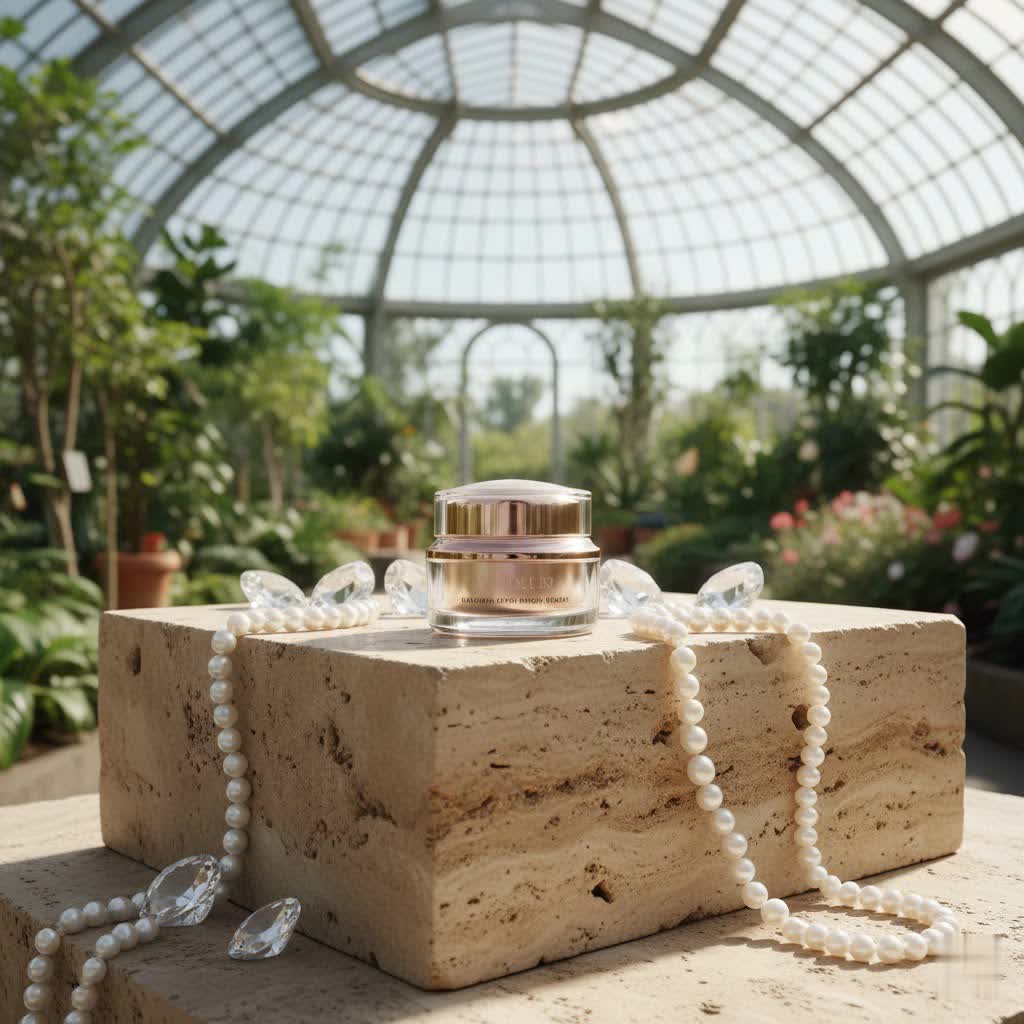
What is a Face Moisturizer, and Why is it Essential?
A face moisturizer is a skincare product designed to hydrate and protect the outermost layer of your skin, known as the skin barrier. It works by preventing water loss, drawing moisture from the environment into the skin, and creating a protective seal. The importance of moisturizing cannot be overstated; it helps maintain skin elasticity, smoothness, and overall health, guarding against environmental stressors and premature aging.
Different skin types have distinct moisturizing needs. Dry skin often requires richer, more emollient formulas to replenish lost lipids and strengthen its barrier. Oily and acne-prone skin benefits from lightweight, non-comedogenic options that hydrate without exacerbating oiliness or clogging pores. Sensitive skin demands gentle, fragrance-free products to avoid irritation, while combination skin needs a balanced approach that addresses both dry and oily zones. Regular, appropriate moisturization is the cornerstone of a balanced and resilient complexion, regardless of your skin’s unique characteristics.
Key Ingredients in Effective Face Moisturizers
Understanding the ingredients in your moisturizer is crucial for choosing the right product. Moisturizers typically combine various components to hydrate, soften, and protect the skin.
Humectants (Moisture Magnets)
Humectants are ingredients that attract water from the air and deeper layers of the skin, pulling it into the epidermis for enhanced hydration.
- Glycerin: A common and highly effective humectant, glycerin helps maintain skin hydration and barrier function.
- Hyaluronic Acid: Capable of holding up to 1,000 times its weight in water, hyaluronic acid plumps the skin and provides intense hydration.
- Aloe Vera: Rich in water and mucopolysaccharides, aloe vera acts as a natural humectant, drawing moisture into the skin without feeling greasy.
- Honey: A natural humectant with additional antibacterial properties, honey helps keep skin soft and supple.
|
Our Picks for the Best Face Moisturizer in 2026
As an Amazon Associate I earn from qualifying purchases.
|
||
| Num | Product | Action |
|---|---|---|
| 1 | La Roche-Posay Toleriane Double Repair Face Moisturizer, Daily Moisturizer Face Cream with Ceramide & Niacinamide for All Skin Types, Immediate Comfort & Long Lasting Hydration, Fragrance Free |

|
| 2 | Tallow Face Cream Daytime – Brighten & Hydrate Moisturizer with Vitamin C, Peptides & Goji Berry Oil – Nourishing Grass-Fed Tallow Face Cream for Radiant, Smooth Skin – 2oz (57g) |
|
| 3 | RoC Multi Correxion Even Tone + Lift 5-in-1 Daily Moisturizer, SPF 30, 1.7oz, Brightening, Firming, Hydrating, Paraben-free, Hypoallergenic |
|
| 4 | La Roche-Posay Toleriane Double Repair UV SPF Moisturizer for Face, Daily Facial Moisturizer with Sunscreen SPF 30, Niacinamide and Glycerin, Oil Free, Moisturizing Sun Protection |
|
| 5 | Neutrogena Fragrance Free Daily Facial Moisturizer, Face & Neck Moisturizer for Sensitive Skin with Vitamin B3, Pro-Vitamin B5 & Vitamin E Supports Skin's Dynamic Barrier, 3.4 fl. oz |
|
| 6 | La Roche-Posay Lipikar AP+ Triple Repair Moisturizing Cream - Face & Body Lotion For Dry Skin - Shea Butter & Niacinamide Moisturizer - Gentle Face & Body Cream For Dry, Rough & Sensitive Skin |
|
| 7 | CeraVe Daily Moisturizing Lotion for Dry Skin, Body Lotion & Face Moisturizer with Hyaluronic Acid and Ceramides, Daily Moisturizer, Fragrance Free, Oil-Free, 12 Ounce |
|
| 8 | Dr.Althea 345 Relief Cream - Moisturizer for Soothing Recovery and Blemish Care with PDRN & Niacinamide - Korean Vegan Skin Care for All Skin Types, 1.69 Fl Oz (Ver.2 - Pack of 1) |
|
| 9 | L’Oreal Paris Collagen Daily Face Moisturizer, Anti Aging Face Cream to Reduce Wrinkles and Provide Intense Hydration, 1.7 oz |
|
| 10 | Vanicream Daily Facial Moisturizer With Ceramides and Hyaluronic Acid - Formulated Without Common Irritants for Those with Sensitive Skin, 3 fl oz (Pack of 1) |
|
Emollients (Skin Softeners)
Emollients fill the gaps between skin cells, creating a smoother, softer surface and reducing flakiness.
- Ceramides: These are lipids naturally found in the skin barrier, essential for maintaining its integrity and preventing moisture loss.
- Plant Oils (Jojoba, Squalane, Shea Butter): Jojoba oil mimics the skin’s natural sebum, making it excellent for balancing hydration. Squalane, derived from olives or sugarcane, is a lightweight, non-comedogenic oil that provides excellent moisture. Shea butter is a rich emollient ideal for deeply nourishing dry skin.
Occlusives (Moisture Lockers)
Occlusives form a protective film on the skin’s surface, physically blocking water evaporation and sealing in moisture.
- Petrolatum: A highly effective occlusive, petroleum jelly creates a strong barrier against moisture loss.
- Beeswax: A natural wax that forms a protective layer, helping to prevent transepidermal water loss.
- Silicones (e.g., Dimethicone): These create a smooth, breathable barrier on the skin, enhancing texture and locking in hydration.
Other Beneficial Ingredients
Beyond these core categories, many Aloe Vera Face Moisturizers incorporate additional ingredients to boost efficacy:
- Vitamins (A, C, E): Antioxidants that protect skin from environmental damage, promote healing, and improve overall skin health.
- Antioxidants (Green Tea Extract, Calendula Oil): Further defend against free radical damage and soothe inflammation.
- Peptides: Support collagen production and can help with anti-aging concerns.
- Tea Tree Oil: Known for its antiseptic and anti-inflammatory properties, beneficial for acne-prone skin.
Unveiling the Power of Aloe Vera in Face Moisturizers
Aloe vera isn’t just a basic hydrator; it’s a multi-tasking ingredient that brings a wealth of benefits to your facial skin. Its unique composition makes it suitable for almost all skin types, from sensitive to acne-prone.
Soothing and Anti-Inflammatory Properties
One of aloe vera’s most celebrated attributes is its ability to calm and soothe irritated skin. It contains compounds like anthraquinones, bradykinase, and aloin, which have potent anti-inflammatory effects. This makes aloe vera moisturizers excellent for reducing redness, swelling, and discomfort associated with sunburn, rashes, eczema, rosacea, and general skin sensitivity. The cooling sensation upon application provides immediate relief, making it a go-to for stressed skin.
Deep Hydration Without Heaviness
Aloe vera gel is approximately 96% water, delivering exceptional hydration without leaving a greasy or heavy residue. Its mucopolysaccharides help bind moisture to the skin, keeping it plump and supple throughout the day. For those with oily or combination skin, an aloe vera moisturizer can provide necessary hydration without clogging pores, ensuring a balanced complexion. It also aids in unclogging pores and softening the skin.
Healing and Repairing Capabilities
Beyond soothing, aloe vera actively supports skin repair and regeneration. It stimulates collagen production and promotes the growth of new cells, which can accelerate wound healing for minor cuts, burns, and acne scars. Its natural antibacterial and antimicrobial properties help protect the skin from infections and can be particularly beneficial for managing breakouts and preventing new blemishes from forming. This makes aloe vera a gentle yet effective solution for improving skin texture and resilience.
Antioxidant Protection and Anti-Aging Benefits
Rich in antioxidants such as vitamins A, C, and E, as well as beta-carotene, aloe vera helps combat free radical damage caused by environmental aggressors like UV radiation and pollution. This antioxidant protection is crucial for preventing premature aging, reducing the appearance of fine lines and wrinkles, and promoting a more youthful, radiant complexion. Regular use can also help brighten dark spots and even out skin tone, contributing to an overall healthier glow.
Acne Management and Oil Control
For those struggling with acne, aloe vera can be a game-changer. It contains salicylic acid, which helps exfoliate dead skin cells and unclog pores, preventing breakouts. Its anti-inflammatory action reduces the redness and swelling of existing pimples, while its antimicrobial properties fight acne-causing bacteria. Furthermore, aloe vera has a natural astringent effect that can help minimize the appearance of enlarged pores and regulate sebum production, making it ideal for oily and acne-prone skin types.
“Aloe vera is a versatile ingredient that offers a harmonious blend of hydration, soothing, and healing benefits, making it an excellent choice for a wide range of skin concerns.” – Dr. Elena Petrova, Dermatologist.
Classifying Face Moisturizers by Skin Type
Selecting the correct moisturizer for your skin type is paramount to achieving optimal results and avoiding potential issues. Aloe vera’s adaptability means it can be formulated into various textures to suit different needs.
Dry Skin
Characteristics: Feels tight, often flaky, prone to redness and sensitivity, lacks natural oils.
Aloe Vera Moisturizer Type: For dry skin, look for richer, creamier aloe vera moisturizers that combine aloe with nourishing emollients like shea butter, ceramides, and hydrating oils (e.g., jojoba or squalane). These formulations provide intense moisture, help rebuild the skin barrier, and prevent water loss, ensuring lasting comfort and suppleness.
Oily Skin
Characteristics: Shiny, enlarged pores, prone to breakouts, excess sebum production.
Aloe Vera Moisturizer Type: Oily skin thrives on lightweight, oil-free (oil-control), gel-based, or lotion-textured aloe vera moisturizers. These products hydrate effectively without adding extra oil or feeling heavy. Aloe’s non-comedogenic and astringent properties can help balance sebum and reduce shine, making it an excellent choice for keeping skin clear and fresh.
Combination Skin
Characteristics: Oily in the T-zone (forehead, nose, chin) and normal to dry on the cheeks.
Aloe Vera Moisturizer Type: A balanced aloe vera moisturizer, often a lightweight lotion or gel-cream, is ideal. These formulas hydrate dry areas while controlling oil in the T-zone. Aloe’s balancing nature can help normalize moisture levels across the face, offering a harmonious solution for varied skin needs.
Sensitive Skin
Characteristics: Easily irritated, prone to redness, itching, burning, and allergic reactions.
Aloe Vera Moisturizer Type: For sensitive skin, select aloe vera moisturizers that are specifically labeled as “fragrance-free,” “dye-free,” and “hypoallergenic.” Pure aloe vera gel with minimal additives is often highly recommended. Its inherent soothing properties make it gentle, reducing the likelihood of irritation while providing essential hydration. Always perform a patch test before full application.
Normal Skin
Characteristics: Well-balanced, neither too oily nor too dry, minimal concerns.
Aloe Vera Moisturizer Type: Individuals with normal skin can enjoy a wide variety of aloe vera moisturizers, from light gels to slightly richer lotions. The focus can be on maintaining natural hydration, providing antioxidant protection, and enhancing overall skin radiance. Aloe vera helps to preserve the skin’s healthy state and protect against daily environmental factors.
How to Choose the Perfect Aloe Vera Face Moisturizer
Navigating the multitude of skincare options can be daunting. Here’s a guide to help you select the ideal aloe vera face moisturizer for your specific needs.
1. Identify Your Skin Type
The first and most crucial step is to understand your skin.
- Self-Assessment: Observe your skin’s behavior throughout the day. Does it feel tight and flaky? (Dry). Is it shiny with visible pores? (Oily). A combination of both? (Combination). Does it react easily to new products? (Sensitive).
- Professional Consultation: If you’re unsure, a dermatologist can help determine your skin type and recommend suitable ingredients.
2. Scrutinize the Ingredient List
A good aloe vera moisturizer will list “Aloe Barbadensis Leaf Juice” or “Aloe Vera Extract” high up in its ingredient list, indicating a significant concentration.
- Prioritize Purity: For maximum benefits, especially for sensitive skin, look for products with pure aloe vera and minimal unnecessary additives.
- Avoid Irritants: Steer clear of harsh alcohols (often listed as ‘alcohol denat.’), artificial fragrances, parabens, and synthetic dyes if you have sensitive skin or prefer cleaner formulations.
- Complementary Ingredients: Look for other beneficial ingredients like hyaluronic acid for extra hydration, ceramides for barrier support, or vitamin E for antioxidant benefits, depending on your concerns.
3. Research Reputable Brands
Opt for brands known for their transparency, quality ingredients, and ethical manufacturing practices. Established brands often have rigorous testing protocols and clearer labeling. Checking for certifications (e.g., organic, cruelty-free) can also provide assurance.
4. Read User Reviews
While individual experiences vary, user reviews can offer valuable insights into a product’s texture, absorption, effectiveness for specific skin types, and potential issues. Look for patterns in feedback rather than isolated comments.
5. Patch Test Before Full Application
Always perform a patch test with any new skincare product, especially if you have sensitive skin. Apply a small amount to an inconspicuous area (e.g., behind the ear or on the inner forearm) and wait 24-48 hours to check for any adverse reactions like redness, itching, or irritation. If no reaction occurs, it’s generally safe to use on your face.
How to Use Aloe Vera Face Moisturizer Effectively
Proper application enhances the benefits of your aloe vera moisturizer and ensures optimal skin health.
1. Optimal Timing
- Morning: Apply after cleansing and any serums, before sunscreen and makeup. It creates a smooth base for cosmetics and protects your skin throughout the day.
- Evening: Apply after cleansing, toning, and any night-time serums or treatments. This allows the moisturizer to work overnight, aiding in skin repair and hydration while you sleep.
2. Step-by-Step Application
- Cleanse: Start with a clean face. Use a gentle cleanser suitable for your skin type to remove dirt, oil, and makeup.
- Tone (Optional): If you use a toner, apply it after cleansing to balance skin pH and prepare it for subsequent products.
- Serums/Treatments (Optional): Apply any targeted serums (e.g., vitamin C, hyaluronic acid, retinol) before your moisturizer.
- Moisturize: Dispense a small, pea-sized amount of aloe vera face moisturizer onto your fingertips.
- Apply Gently: Dot the moisturizer on your forehead, cheeks, nose, and chin. Gently massage it into your skin using upward and outward motions. Avoid harsh rubbing, especially around the delicate eye area.
- Allow Absorption: Give the moisturizer a minute or two to fully absorb before applying sunscreen or makeup.
3. The Right Amount
Less is often more. Using a pea-sized amount is usually sufficient for the entire face. Over-applying can lead to clogged pores, a greasy feeling, or simply wasted product without added benefits. Adjust the amount based on your skin’s specific needs and the product’s consistency.
4. Layering for Enhanced Hydration (Moisture Sandwich)
For very dry or dehydrated skin, consider the “moisture sandwich” technique:
- Apply a layer of pure aloe vera gel or a hydrating serum to damp skin.
- While the skin is still slightly damp, apply your aloe vera face moisturizer.
- For an extra boost, especially at night, follow with a facial oil or a richer occlusive cream to seal everything in. This layering helps trap moisture effectively, providing continuous hydration.
Common Mistakes When Moisturizing Your Face
Even with the best products, common errors can diminish their effectiveness.
- Using the Wrong Moisturizer for Your Skin Type: Applying a heavy cream to oily skin can lead to breakouts, while a lightweight gel might not provide enough hydration for dry skin. Always match the moisturizer to your skin’s needs.
- Skipping Cleansing Before Moisturizing: Applying moisturizer over dirty skin can trap impurities, leading to clogged pores, dullness, and reduced product absorption. Always cleanse your face thoroughly first.
- Applying Too Much or Too Little Product: As mentioned, too much can lead to issues, while too little won’t provide adequate hydration or protection. Find the right balance for your skin.
- Not Being Consistent: Skincare is a marathon, not a sprint. Consistent daily use, both morning and evening, is key to maintaining skin health and seeing long-term benefits from your aloe vera moisturizer.
- Neglecting the Neck and Décolletage: These areas often show signs of aging first but are frequently overlooked. Extend your moisturizing routine down to your neck and upper chest to ensure even skin care.
- Leaving Pure Aloe Gel on Too Long (for some skin types): While aloe is hydrating, pure aloe vera gel, especially if it contains alcohol, can sometimes have a drying effect if left on without an occlusive layer to seal in the moisture, particularly for drier skin types. It’s often best to layer it or rinse it after a mask-like application if your skin feels tight.
Conclusion
Aloe vera face moisturizers offer a remarkable blend of nature’s best for your skin. From its incredible hydrating and soothing capabilities to its potent anti-inflammatory and healing properties, incorporating aloe vera into your routine can transform your complexion, leaving it healthy, radiant, and resilient. By understanding your skin type, carefully selecting products with beneficial ingredients, and adopting an effective application routine, you can harness the full power of this ancient botanical. Embrace the gentle touch of aloe and discover the secret to truly happy skin.
What has been your experience with aloe vera in your skincare regimen?
Frequently Asked Questions
Can aloe vera face moisturizer be used on all skin types?
Yes, aloe vera face moisturizer is generally suitable for all skin types due to its adaptable nature. However, the specific formulation (gel, lotion, cream) should be chosen based on individual skin needs, with lighter textures for oily skin and richer creams for dry skin.
Is it safe to use aloe vera face moisturizer daily?
Absolutely. Aloe vera face moisturizer is safe for daily use, both in the morning and evening, to keep your skin hydrated, soothed, and protected. Consistent application yields the best results.
Can aloe vera face moisturizer help with acne?
Yes, aloe vera’s anti-inflammatory, antibacterial, and salicylic acid content can help reduce acne breakouts, calm redness, and diminish the appearance of acne scars. Lightweight, non-comedogenic aloe vera moisturizers are particularly beneficial for acne-prone skin.
Should I store my aloe vera face moisturizer in the refrigerator?
While not strictly necessary for all formulations, storing pure aloe vera gel or certain aloe vera moisturizers in the refrigerator can provide an extra cooling and soothing sensation upon application, which is especially beneficial for irritated or sun-exposed skin.
