In the vast world of skincare, finding the perfect moisturizer can feel like an endless quest. Many struggle with heavy formulas that clog pores, feel greasy, or simply don’t suit their skin, especially in warmer climates or for specific skin types. The solution often lies in embracing a lightweight face moisturizer – a skincare essential designed to provide optimal hydration without the burden of a rich, thick cream. This comprehensive guide will navigate you through everything you need to know, helping you unlock a fresher, healthier, and more vibrant complexion.
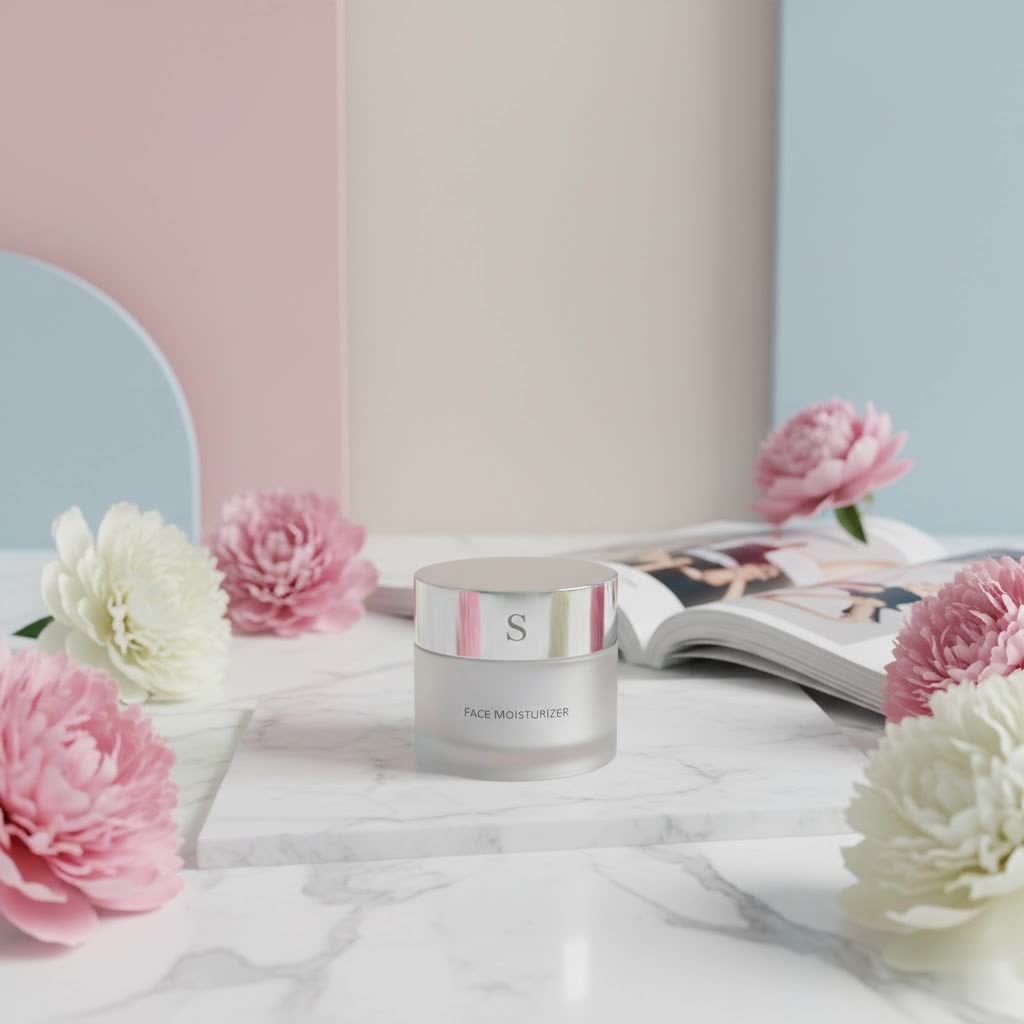
What is a Lightweight Face Moisturizer? Why is it Essential?
A lightweight face moisturizer is a hydrating product typically formulated with a higher water content and fewer heavy oils, giving it a much lighter texture, often gel-like or a fluid lotion. Its primary function is to deliver essential moisture to the skin without leaving a greasy residue or feeling heavy on the complexion.
The necessity of moisturizing your face, regardless of skin type, cannot be overstated. Moisturizers help strengthen the skin’s natural barrier, a crucial defense against environmental aggressors and trans-epidermal water loss (TEWL), which can lead to dryness and irritation. For those with oily or acne-prone skin, it’s a common misconception that moisturizing is unnecessary; in reality, skipping moisturizer can cause the skin to overproduce oil to compensate for dehydration, leading to more breakouts. Lightweight options balance oil production, prevent clogging, and keep the skin supple and healthy. They absorb quickly, making them an ideal base for makeup and comfortable for daily wear, especially during humid conditions or active lifestyles.
Key Ingredients in Lightweight Face Moisturizers
The effectiveness of any moisturizer lies in its ingredients. Lightweight formulas prioritize certain components to achieve their non-greasy, fast-absorbing qualities while still delivering powerful hydration.
Humectants (Moisture Magnets)
Humectants are ingredients that attract water from the air and deeper layers of the skin to the surface. They are fundamental in lightweight moisturizers for providing intense hydration without heaviness.
- Glycerin: A common and highly effective humectant that draws moisture into the skin.
- Hyaluronic Acid (HA): Known for its incredible ability to hold up to 1,000 times its weight in water, HA plumps the skin and provides long-lasting hydration.
- Panthenol (Pro-Vitamin B5): This humectant also acts as an anti-inflammatory and skin-soother, helping to improve the skin’s barrier function.
- Sodium PCA: A natural component of the skin’s own Natural Moisturizing Factor (NMF), it helps the skin retain moisture.
|
Our Picks for the Best Face Moisturizer in 2026
As an Amazon Associate I earn from qualifying purchases.
|
||
| Num | Product | Action |
|---|---|---|
| 1 | Tallow Face Cream Daytime – Brighten & Hydrate Moisturizer with Vitamin C, Peptides & Goji Berry Oil – Nourishing Grass-Fed Tallow Face Cream for Radiant, Smooth Skin – 2oz (57g) |

|
| 2 | Vanicream Daily Facial Moisturizer With Ceramides and Hyaluronic Acid - Formulated Without Common Irritants for Those with Sensitive Skin, 3 fl oz (Pack of 1) |
|
| 3 | L’Oreal Paris Collagen Daily Face Moisturizer, Anti Aging Face Cream to Reduce Wrinkles and Provide Intense Hydration, 1.7 oz |
|
| 4 | Neutrogena Fragrance Free Daily Facial Moisturizer, Face & Neck Moisturizer for Sensitive Skin with Vitamin B3, Pro-Vitamin B5 & Vitamin E Supports Skin's Dynamic Barrier, 3.4 fl. oz |
|
| 5 | CeraVe Daily Moisturizing Lotion for Dry Skin, Body Lotion & Face Moisturizer with Hyaluronic Acid and Ceramides, Daily Moisturizer, Fragrance Free, Oil-Free, 12 Ounce |
|
| 6 | Dr.Althea 345 Relief Cream - Moisturizer for Soothing Recovery and Blemish Care with PDRN & Niacinamide - Korean Vegan Skin Care for All Skin Types, 1.69 Fl Oz (Ver.2 - Pack of 1) |
|
| 7 | La Roche-Posay Lipikar AP+ Triple Repair Moisturizing Cream - Face & Body Lotion For Dry Skin - Shea Butter & Niacinamide Moisturizer - Gentle Face & Body Cream For Dry, Rough & Sensitive Skin |
|
| 8 | RoC Multi Correxion Even Tone + Lift 5-in-1 Daily Moisturizer, SPF 30, 1.7oz, Brightening, Firming, Hydrating, Paraben-free, Hypoallergenic |
|
| 9 | La Roche-Posay Toleriane Double Repair Face Moisturizer, Daily Moisturizer Face Cream with Ceramide & Niacinamide for All Skin Types, Immediate Comfort & Long Lasting Hydration, Fragrance Free |
|
| 10 | La Roche-Posay Toleriane Double Repair UV SPF Moisturizer for Face, Daily Facial Moisturizer with Sunscreen SPF 30, Niacinamide and Glycerin, Oil Free, Moisturizing Sun Protection |
|
Emollients (Skin Smoothers)
Emollients work to soften and smooth the skin’s surface by filling in gaps between skin cells, creating a more even texture. In lightweight moisturizers, these are typically non-comedogenic and lighter in feel.
- Ceramides: Essential lipids that make up a significant portion of the skin barrier. They help restore and strengthen the barrier, preventing moisture loss.
- Squalane: A highly stable emollient that mimics the skin’s natural oils, providing hydration without a greasy feel. It’s excellent for all skin types, including acne-prone.
- Light Plant Oils (Jojoba, Hemp Seed, Grapeseed, Avocado): These oils are chosen for their fast absorption and non-comedogenic properties, offering nourishment without heaviness.
- Caprylic/Capric Triglyceride: Derived from coconut oil and glycerin, it’s a light emollient that helps skin feel soft and supple.
Occlusives (Moisture Sealants – Lightweight Context)
Occlusives form a protective layer on the skin’s surface to prevent moisture from evaporating. In lightweight moisturizers, these are used sparingly or in very light forms to avoid a heavy feel.
- Plant-derived Silicone Alternatives: Ingredients that offer a smooth, breathable film to lock in moisture without the traditional silicone feel, ensuring a lightweight finish.
- Very Small Amounts of Waxes (e.g., Candelilla Wax): Used minimally to provide a light barrier without being occlusive or heavy.
Other Beneficial Ingredients
Beyond the core hydrating and smoothing agents, many lightweight moisturizers incorporate additional active ingredients to address specific skin concerns.
- Niacinamide (Vitamin B3): A powerhouse ingredient that helps reduce inflammation, minimize pores, regulate oil production, and improve skin tone.
- Antioxidants (Vitamin C, Vitamin E): These protect the skin from environmental damage and free radicals, promoting a healthier complexion.
- Soothing Extracts (Chamomile, Green Tea, Allantoin): Ideal for sensitive or irritated skin, these botanical extracts help calm redness and discomfort.
- Salicylic Acid: Often found in lightweight moisturizers for oily or acne-prone skin, it helps exfoliate pores and reduce breakouts.
Choosing a Lightweight Moisturizer for Your Skin Type
Selecting the right lightweight moisturizer means understanding your skin’s unique needs. While lightweight formulas are versatile, certain types are better suited for specific complexions.
Oily Skin
For oily skin, lightweight moisturizers are a game-changer. Look for formulas labeled “oil-free,” “non-comedogenic,” or “mattifying.” Gel or lotion textures are usually preferred as they absorb quickly and won’t contribute to excess shine. Ingredients like niacinamide help regulate sebum production, while salicylic acid can address breakouts.
Combination Skin
Combination skin requires a balanced approach – hydrating dry areas without making oily zones greasier. Water-based lotions or gel-creams work well, providing adequate moisture to drier cheeks while controlling oil in the T-zone. Seek out adaptable formulas that promote overall skin balance.
Sensitive Skin
Sensitive skin benefits from gentle, minimalist formulas. Opt for lightweight moisturizers that are “fragrance-free,” “dye-free,” and “hypoallergenic.” Ingredients like allantoin, ceramides, and soothing botanical extracts (like chamomile) can help calm irritation and strengthen the skin barrier without causing adverse reactions.
Normal Skin
Lucky normal skin types can enjoy a wide variety of lightweight moisturizers. The goal is to maintain the skin’s natural balance and prevent dehydration. A simple, hydrating lotion or gel with a good mix of humectants and emollients will keep your skin healthy and radiant.
Dry Skin
While traditionally dry skin might gravitate towards richer creams, a lightweight moisturizer can still be an option, especially if you prefer a less heavy feel or live in a humid environment. Look for lightweight formulas that are packed with potent humectants like multiple forms of hyaluronic acid, coupled with barrier-supporting ceramides and emollients, to ensure deep hydration without the thick texture.
Popular Lightweight Face Moisturizers: A Comparison
Many brands offer excellent lightweight options. Here’s a brief comparison of some widely recognized products, illustrating the diversity available:
| Brand/Product | Key Ingredients | Suitable Skin Type | Pros | Cons | Texture |
|---|---|---|---|---|---|
| Tatcha The Water Cream | Japanese Wild Rose, Lily, Hadasei-3 | Oily, Normal, Combination | Mattifies, refines pores, boosts radiance | Higher price point | Water-cream |
| La Roche-Posay Toleriane Double Repair Matte Moisturizer | Niacinamide, Glycerin, Ceramide-3, Prebiotic Thermal Water | Oily, Acne-Prone, Sensitive | Mattifying, oil-control, barrier repair | May not be enough for very dry patches | Gel-cream |
| Paula’s Choice Invisible Finish Moisture Gel | Hyaluronic Acid, Niacinamide, Green Tea Extract | Oily, Combination, Acne-Prone | Weightless feel, reduces oil, deep hydration | Can be hard to find in physical stores | Gel |
| The Inkey List Omega Water Cream | Niacinamide, Ceramide Complex, Betaine | Oily, Combination, Sensitive | Budget-friendly, strengthens barrier, oil-control | May take slightly longer to absorb in high humidity | Gel-cream |
| Neutrogena Hydro Boost Water Gel | Hyaluronic Acid, Glycerin | All (especially Normal, Combination, Oily) | Intense hydration, fast-absorbing, non-comedogenic | Contains fragrance (can be issue for very sensitive) | Gel |
“The beauty of lightweight moisturizers lies in their ability to provide essential hydration and skin barrier support without compromising comfort or contributing to clogged pores. They are a staple for anyone seeking a fresh, breathable feel.”
Your Guide to Choosing the Perfect Lightweight Moisturizer (Buying Guide)
Navigating the multitude of choices can be daunting. Here’s how to make an informed decision:
Understand Your Skin Type
The first and most crucial step is to accurately identify your skin type. Is it oily, dry, combination, sensitive, or normal? Your skin’s specific characteristics will guide your ingredient and texture preferences. Observing how your skin feels throughout the day, how it reacts to different products, and if it’s prone to breakouts can help determine this.
Decipher Ingredient Lists
Become familiar with the key ingredients discussed above. Look for humectants like hyaluronic acid and glycerin for hydration, emollients like ceramides and squalane for barrier support, and beneficial actives like niacinamide for specific concerns. Avoid ingredients that your skin reacts negatively to, such as certain fragrances or harsh alcohols, especially if you have sensitive skin.
Research Reputable Brands
Opt for brands with a strong reputation for quality, transparency, and effective formulations. Look for those that conduct dermatological testing and clearly state their product’s benefits and suitable skin types. Established brands often invest more in research and development, leading to more reliable products.
Read User Reviews
While individual experiences vary, user reviews can offer valuable insights into a product’s texture, scent, effectiveness for different skin types, and how it performs under various conditions. Pay attention to reviews from people with similar skin concerns to yours.
Patch Test
Before applying any new product all over your face, perform a patch test. Apply a small amount to an inconspicuous area, like behind your ear or on your inner forearm, and wait 24-48 hours. This helps ensure you won’t have an allergic reaction or breakout.
How to Use Lightweight Face Moisturizer Effectively
Proper application maximizes the benefits of your lightweight moisturizer and ensures it integrates seamlessly into your skincare routine.
Optimal Application Time
Moisturizer should be applied twice daily: once in the morning and once in the evening. This ensures continuous hydration and protection throughout the day and supports the skin’s natural repair processes overnight.
Step-by-Step Application
Always apply moisturizer to freshly cleansed skin. If you use serums, apply them first, allowing them a moment to absorb. Your lightweight moisturizer comes next, followed by sunscreen in your morning routine. The general order is: cleanse, tone (optional), serum, moisturizer, SPF (AM).
Right Amount
A pea-sized amount is often sufficient for your entire face. Lightweight formulas spread easily, so using too much can leave a slightly tacky feel, even if it’s designed to be light. Adjust the amount based on your skin’s needs and how easily the product spreads.
Gentle Massage
Apply the moisturizer by dotting it on different areas of your face, then gently massage it in using upward and outward motions. This helps with even distribution and absorption without tugging on the skin. Allow a minute or two for the moisturizer to fully sink in before applying makeup or SPF.
Common Mistakes When Moisturizing Your Face
Even with the best products, incorrect application can hinder results. Avoid these common moisturizing mistakes:
- Using the Wrong Type for Your Skin: This is perhaps the most significant error. A heavy cream on oily skin can lead to breakouts, just as a too-light formula might not suffice for genuinely dry skin. Always match your moisturizer to your skin type.
- Skipping Cleansing First: Applying moisturizer to uncleansed skin can trap dirt, oil, and impurities, leading to clogged pores and less effective product penetration. Always start with a clean canvas.
- Applying Too Much or Too Little: As mentioned, too much product can feel heavy or prevent proper absorption, while too little won’t provide adequate hydration and protection. Find the right balance for your chosen product and skin needs.
- Not Being Consistent: Skincare is a marathon, not a sprint. The benefits of moisturizing, especially barrier repair and hydration, accumulate over time with consistent daily use. Irregular application won’t yield optimal results.
- Applying to Dry Skin: For best absorption and to lock in moisture, apply your moisturizer to slightly damp skin (after cleansing or applying a hydrating serum). This helps seal in the water.
Conclusion
Embracing a lightweight face moisturizer can be a transformative step in your skincare journey, offering a perfect blend of hydration and comfort. By understanding your skin type, knowing which ingredients to look for, and applying your product correctly, you can achieve a fresh, non-greasy feel while ensuring your skin remains healthy, protected, and radiant. Say goodbye to heavy, suffocating creams and welcome the breathable, nourishing power of lightweight hydration. What new lightweight moisturizer will you try to revitalize your routine?
Frequently Asked Questions
Is a lightweight moisturizer suitable for all skin types?
While particularly beneficial for oily, combination, and acne-prone skin due to its non-greasy feel and quick absorption, lightweight moisturizers can also be suitable for normal and even dry skin types who prefer a lighter texture, provided they contain potent hydrating and barrier-supporting ingredients.
What is the main difference between a lightweight and a regular moisturizer?
The primary difference lies in their texture and formulation. Lightweight moisturizers typically have a higher water content and fewer heavy oils, resulting in a gel or fluid lotion consistency that absorbs quickly without a greasy feel. Regular or richer moisturizers often have a higher oil content, providing a thicker barrier, which is ideal for very dry skin.
Can I use a lightweight moisturizer in both summer and winter?
Yes, you can! Lightweight moisturizers are excellent for summer due to their non-heavy feel in humid conditions. In winter, if your skin becomes drier, you might need to layer it with a hydrating serum or opt for a slightly richer lightweight formula with stronger barrier-supporting ingredients like ceramides, but it can still be a viable option.
How often should I apply a lightweight face moisturizer?
For optimal results and consistent hydration, it is recommended to apply your lightweight face moisturizer twice daily: once in the morning after cleansing and serum application, and again in the evening as part of your nighttime skincare routine.
Will a lightweight moisturizer clog my pores?
Generally, lightweight face moisturizers are formulated to be non-comedogenic, meaning they are designed not to clog pores. This makes them an excellent choice for individuals prone to breakouts or with oily and acne-prone skin, as they provide hydration without exacerbating congestion.
