Dry, flaky, and tight skin can be more than just a nuisance; it often signals a compromised skin barrier, leaving your complexion vulnerable and uncomfortable. If you’ve struggled to find relief from persistent dryness, you’re not alone. Choosing a good face moisturizer for dry skin is a critical step towards achieving a healthy, radiant complexion. This comprehensive guide will delve into the world of facial moisturizers, exploring their vital role, key ingredients, and how to select the perfect formula to quench your skin’s thirst and restore its natural vitality.
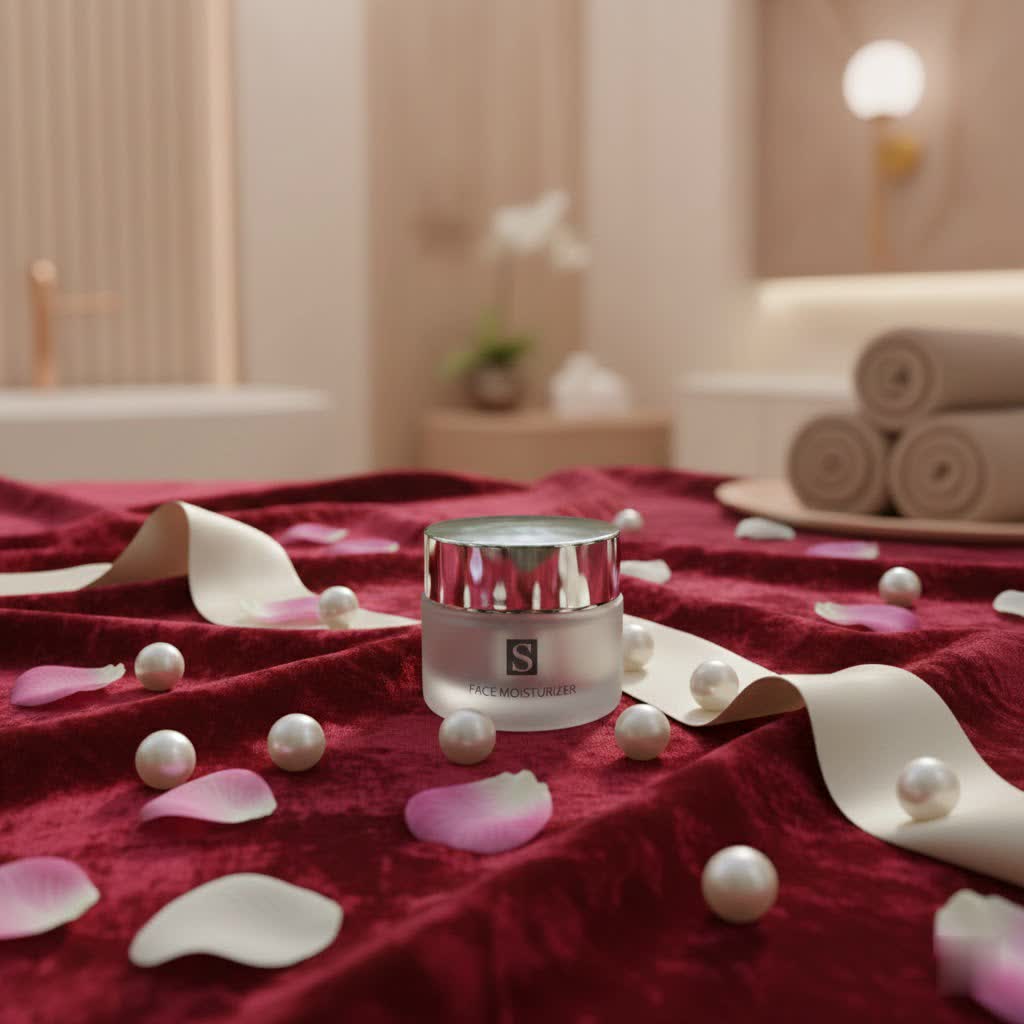
What is Face Moisturizer? Why is it essential?
A face moisturizer is a skincare product designed to hydrate, soften, and protect the skin’s outermost layer, known as the skin barrier. For dry skin, which naturally produces less oil (sebum) compared to other skin types, a moisturizer is particularly essential. It replenishes lost lipids, prevents transepidermal water loss (TEWL), and creates a protective shield against environmental aggressors like cold weather, wind, and dry indoor air. Without adequate moisturization, dry skin can become rough, irritated, and even more prone to premature aging. The right moisturizer helps maintain the skin’s elasticity, smoothness, and overall resilience.
Different skin types have varying hydration needs. While oily skin may benefit from lighter, gel-based formulas, dry skin thrives on richer, more emollient creams that provide intense, lasting hydration. Understanding your skin’s unique requirements is the first step toward selecting an effective moisturizer that truly works for you.
Key Ingredients in Good Face Moisturizers
The efficacy of a face moisturizer largely depends on its ingredient list. For dry skin, a blend of humectants, emollients, and occlusives works synergistically to attract, soothe, and seal in moisture.
Humectants (Moisture Attractors)
Humectants are ingredients that draw water from the environment and deeper layers of the skin to the surface. They are crucial for initial hydration.
- Glycerin: A classic and highly effective humectant, glycerin attracts moisture and helps keep skin hydrated. It’s often found in many reputable moisturizers.
- Hyaluronic Acid (HA): This powerhouse ingredient can hold up to 1,000 times its weight in water, providing intense and long-lasting hydration. Sodium Hyaluronate Crosspolymer, a derivative, also significantly improves skin’s water-holding capacity.
- Urea: Beyond its hydrating properties, urea also aids in gentle exfoliation, helping to remove dead skin cells that can contribute to flakiness.
- Lactic Acid: A mild alpha-hydroxy acid (AHA) that not only hydrates but also gently exfoliates to improve skin texture and reduce dullness.
|
Our Picks for the Best Face Moisturizer in 2026
As an Amazon Associate I earn from qualifying purchases.
|
||
| Num | Product | Action |
|---|---|---|
| 1 | La Roche-Posay Toleriane Double Repair UV SPF Moisturizer for Face, Daily Facial Moisturizer with Sunscreen SPF 30, Niacinamide and Glycerin, Oil Free, Moisturizing Sun Protection |

|
| 2 | Neutrogena Fragrance Free Daily Facial Moisturizer, Face & Neck Moisturizer for Sensitive Skin with Vitamin B3, Pro-Vitamin B5 & Vitamin E Supports Skin's Dynamic Barrier, 3.4 fl. oz |
|
| 3 | Dr.Althea 345 Relief Cream - Moisturizer for Soothing Recovery and Blemish Care with PDRN & Niacinamide - Korean Vegan Skin Care for All Skin Types, 1.69 Fl Oz (Ver.2 - Pack of 1) |
|
| 4 | Vanicream Daily Facial Moisturizer With Ceramides and Hyaluronic Acid - Formulated Without Common Irritants for Those with Sensitive Skin, 3 fl oz (Pack of 1) |
|
| 5 | RoC Multi Correxion Even Tone + Lift 5-in-1 Daily Moisturizer, SPF 30, 1.7oz, Brightening, Firming, Hydrating, Paraben-free, Hypoallergenic |
|
| 6 | La Roche-Posay Toleriane Double Repair Face Moisturizer, Daily Moisturizer Face Cream with Ceramide & Niacinamide for All Skin Types, Immediate Comfort & Long Lasting Hydration, Fragrance Free |
|
| 7 | L’Oreal Paris Collagen Daily Face Moisturizer, Anti Aging Face Cream to Reduce Wrinkles and Provide Intense Hydration, 1.7 oz |
|
| 8 | Tallow Face Cream Daytime – Brighten & Hydrate Moisturizer with Vitamin C, Peptides & Goji Berry Oil – Nourishing Grass-Fed Tallow Face Cream for Radiant, Smooth Skin – 2oz (57g) |
|
| 9 | CeraVe Daily Moisturizing Lotion for Dry Skin, Body Lotion & Face Moisturizer with Hyaluronic Acid and Ceramides, Daily Moisturizer, Fragrance Free, Oil-Free, 12 Ounce |
|
| 10 | La Roche-Posay Lipikar AP+ Triple Repair Moisturizing Cream - Face & Body Lotion For Dry Skin - Shea Butter & Niacinamide Moisturizer - Gentle Face & Body Cream For Dry, Rough & Sensitive Skin |
|
Emollients (Skin Softeners)
Emollients are lubricating ingredients that fill in the gaps between skin cells, smoothing and softening the skin’s surface. They improve skin’s texture and flexibility.
- Ceramides: These waxy fat molecules are naturally occurring lipids that make up a significant portion of the skin barrier. Replenishing ceramides helps rebuild the skin barrier, prevent moisture loss, and make skin strong, supple, and silky-soft.
- Plant Oils (e.g., Jojoba Oil, Sunflower Oil, Olive Oil): These non-fragrant oils provide rich nourishment and mimic the skin’s natural sebum, making them excellent for dry skin. Olive oil, for example, can significantly improve the skin’s water-holding capacity.
- Shea Butter & Cocoa Butter: Derived from plant nuts, these rich butters offer intense moisturizing properties and help restore and supplement the skin’s natural barrier.
- Squalane: A more stable form of squalene (naturally found in the skin barrier), squalane is a lightweight, non-comedogenic oil that provides hydration and helps smooth skin by filling in gaps in the skin barrier.
Occlusives (Moisture Lockers)
Occlusives form a physical barrier on the skin’s surface, effectively locking in moisture and preventing water from evaporating. They are particularly beneficial for very dry or compromised skin.
- Petrolatum (Petroleum Jelly): A highly effective occlusive that forms a protective layer to significantly reduce water loss.
- Beeswax & Lanolin: Natural waxes that create a barrier to seal in hydration. However, lanolin can sometimes trigger allergic contact dermatitis in sensitive individuals.
- Silicones (e.g., Dimethicone): These ingredients create a breathable film on the skin, reducing TEWL without feeling heavy.
Other Beneficial Ingredients
- Niacinamide (Vitamin B3): A versatile ingredient that soothes inflammation, strengthens barrier function by boosting ceramides, and prevents transepidermal water loss.
- Antioxidants (e.g., Vitamin C, Vitamin E): Help shield the skin from environmental damage, calm inflammation, and protect against free radicals. Vitamin E (tocopherol) specifically supports barrier function.
- Peptides: Amino acid chains that can help improve skin firmness and elasticity, often found in anti-aging formulas for dry skin.
Moisturizer Classification by Skin Type
While our focus is on dry skin, understanding the spectrum of moisturizers helps in appreciating what makes a good face moisturizer for dry skin truly effective.
Dry Skin
For dry skin, opt for rich, thick creams or ointments. These formulas are typically packed with oils, emollients like shea butter and ceramides, and occlusives such as petrolatum or dimethicone to provide intense hydration and barrier repair. Products containing hyaluronic acid and glycerin are also excellent choices.
Oily Skin
Individuals with oily skin should look for oil-free, non-comedogenic moisturizers, often in gel or lotion forms. These provide hydration without adding excess oil or clogging pores. Ingredients like hyaluronic acid and glycerin are suitable.
Combination Skin
Combination skin benefits from balanced moisturizers that hydrate dry areas while controlling oil in the T-zone. Gel-creams or lotions are often ideal, with formulations that are not too heavy but still nourishing.
Sensitive Skin
Sensitive skin requires gentle, fragrance-free, dye-free, and hypoallergenic formulas. Look for products specifically designed for sensitive skin, often containing soothing ingredients like colloidal oatmeal, allantoin, and ceramides, while avoiding common irritants.
Normal Skin
Normal skin types can maintain their natural balance with a versatile, lightweight lotion or cream. The goal is to sustain natural hydration levels without over-moisturizing.
Comparison of Face Moisturizers for Dry Skin
Choosing from the myriad of options can be overwhelming. Here’s a comparative overview of popular and highly-rated moisturizers known for their efficacy on dry skin:
| Brand/Product | Key Ingredients | Suitable Skin Type | Pros | Cons |
|---|---|---|---|---|
| CeraVe Moisturizing Cream | Ceramides, Hyaluronic Acid, Glycerin | Dry, Sensitive, Eczema-prone | Restores barrier, long-lasting hydration, non-comedogenic, affordable | Can be thick for some, large tub for face |
| La Roche-Posay Toleriane Double Repair Face Moisturizer | Niacinamide, Ceramides, Glycerin, Prebiotic Thermal Water | Dry, Sensitive | Repairs barrier, soothes, lightweight for a cream, fragrance-free | Higher price point |
| Cetaphil Rich Hydrating Cream | Hyaluronic Acid, Glycerin, Olive Extract | Dry, Sensitive | Intense hydration, gentle, non-irritating, good for extreme dryness | Can feel rich for daytime use |
| Kiehl’s Ultra Facial Moisturizer with Squalane | Squalane, Glycerin | Dry, Normal | Lightweight, 24-hour hydration, boosts radiance | Higher price, not specifically for very dry |
| Aquaphor Healing Ointment | Petrolatum, Mineral Oil, Glycerin | Very Dry, Cracked, Damaged | Highly occlusive, excellent barrier protection, versatile | Can feel greasy, potentially pore-clogging for some |
| First Aid Beauty Ultra Repair Cream Intense Hydration | Colloidal Oatmeal, Shea Butter, Allantoin | Dry, Sensitive, Eczema-prone | Soothes redness, intense hydration, quick absorption, fragrance-free | Can be pricey, contains eucalyptus oil (some sensitivity) |
| Neutrogena Hydro Boost Water Gel (Extra Dry Skin) | Hyaluronic Acid | Dry, Dehydrated | Lightweight gel, non-greasy, deeply hydrating, refreshing | Might not be rich enough for extremely dry skin |
Guide to Choosing a Good Face Moisturizer for Dry Skin (Buying Guide)
Selecting the ideal moisturizer is a blend of science and understanding your skin’s unique needs.
1. Identify Your Skin Subtype
Not all dry skin is the same. You might have:
- Genetically dry skin: Naturally produces less oil.
- Environmentally dry skin: Caused by climate, pollution, or harsh skincare.
- Sensitive dry skin: Prone to redness, stinging, or irritation.
- Dry-combination skin: Dry cheeks but an oily T-zone.
Knowing your subtype helps narrow down ingredient compatibility and texture preferences. For instance, sensitive dry skin will benefit greatly from fragrance-free formulas.
2. Read Ingredients Carefully
Prioritize moisturizers containing a mix of humectants (Hyaluronic Acid, Glycerin), emollients (Ceramides, Shea Butter, Squalane, plant oils), and occlusives (Petrolatum, Dimethicone). Also, look for beneficial additions like Niacinamide and antioxidants. Avoid ingredients like volatile alcohols (e.g., ethanol, isopropyl alcohol), strong fragrances, and harsh chemicals that can further strip the skin.
3. Research Brands and Their Reputation
Opt for reputable brands known for dermatologist-developed or dermatologist-recommended products. Brands like CeraVe, La Roche-Posay, Cetaphil, and Avène are often cited by experts for their effective formulations, especially for dry and sensitive skin.
4. Consult User Reviews and Testimonials
While individual experiences vary, reading reviews can provide insights into a product’s texture, absorption, scent (even if fragrance-free), and overall effectiveness for others with similar skin concerns. Look for consistent positive feedback regarding hydration and reduction of dryness.
5. Perform a Patch Test (If Possible)
Before applying a new moisturizer to your entire face, especially if you have sensitive skin, test a small amount on an inconspicuous area (like behind your ear or on your inner arm) for 24-48 hours. This helps identify any potential irritation or allergic reactions.
Seasonal Considerations
Remember that your skin’s needs can shift with the seasons. In winter, when humidity is low, and indoor heating is prevalent, richer creams with more occlusives are beneficial. In summer, you might prefer lighter lotions or gel-creams, but still don’t skip moisturizing, as even dry skin needs lipids.
How to Use Face Moisturizer Effectively
Applying your moisturizer correctly maximizes its benefits.
Timing is Key
Always apply moisturizer to slightly damp skin, ideally immediately after cleansing and applying any serums. This helps to trap the water on the skin, boosting hydration. Apply both in the morning and evening as part of your skincare routine.
Follow the Right Steps
- Cleanse: Start with a gentle, hydrating cleanser to remove impurities without stripping natural oils.
- Treat (Optional): Apply any toners, essences, or serums (e.g., hyaluronic acid serum) while your skin is still damp.
- Moisturize: Dispense an appropriate amount of moisturizer.
- Protect (Morning): Follow with a broad-spectrum sunscreen with SPF 30 or higher during your morning routine.
Use the Right Amount
A dime-sized amount is generally sufficient for the entire face and neck. Using too much can feel heavy or greasy, while too little won’t provide adequate hydration.
Gentle Massage
Gently massage the moisturizer into your skin using upward and outward motions. This helps with absorption and stimulates blood circulation. Avoid pulling or tugging your skin.
Common Mistakes When Moisturizing Dry Skin
Even with the best products, common errors can hinder your efforts to achieve hydrated skin.
- Using the Wrong Moisturizer for Your Skin Type: Applying a lightweight gel meant for oily skin to severely dry skin won’t provide enough nourishment, leading to continued dryness and irritation. Conversely, using a heavy cream on dry-combination skin might exacerbate oiliness in the T-zone.
- Skipping Cleansing Before Moisturizing: Applying moisturizer to uncleansed skin can trap dirt, oil, and bacteria, potentially leading to breakouts and reducing the moisturizer’s effectiveness.
- Applying Too Much or Too Little Product: As mentioned, balance is key. Excessive application can lead to clogged pores or a greasy feeling, while insufficient application won’t adequately hydrate the skin.
- Lack of Consistency: Moisturizing is not a one-time fix. Regular, consistent application—both morning and night—is vital for maintaining a healthy skin barrier and long-term hydration.
- Ignoring Other Skincare Steps: A moisturizer works best as part of a holistic routine. Neglecting gentle cleansing, exfoliation, or sun protection can undermine its benefits.
- Using Products with Irritating Ingredients: Fragrances, essential oils, and certain alcohols can irritate dry and sensitive skin, disrupting the barrier further. Always check the ingredient list.
- Applying to Dry Skin: Moisturizers are most effective when applied to slightly damp skin, as they can then seal in that existing moisture. Applying to completely dry skin is less effective.
“Dry skin often signals a weakened lipid barrier. The best moisturizers don’t just add moisture—they reinforce the skin’s natural defenses with ceramides, fatty acids, and humectants that work synergistically.”
Conclusion
Finding a good face moisturizer for dry skin is a foundational step in any effective skincare regimen. By understanding your skin’s unique needs, recognizing key ingredients like ceramides, hyaluronic acid, and shea butter, and adopting a consistent application routine, you can transform dry, flaky skin into a supple, radiant complexion. Remember to prioritize products developed with dermatologists, read ingredient labels diligently, and listen to your skin’s response. With the right approach, lasting hydration and comfort are well within reach.
What has been your biggest challenge in finding the perfect moisturizer for your dry skin?
Frequently Asked Questions
What makes a moisturizer “good” for dry skin?
A good face moisturizer for dry skin is rich in humectants like hyaluronic acid and glycerin to draw in moisture, emollients such as ceramides and shea butter to smooth and repair the skin barrier, and occlusives like petrolatum to seal in hydration. It should be fragrance-free and non-comedogenic to avoid irritation.
Should I use a cream or a lotion for dry skin on my face?
For dry skin, a cream is generally recommended over a lotion for the face. Creams have a thicker consistency with a higher oil content and less water, providing more intense and longer-lasting hydration. Lotions are typically lighter and better suited for normal or oily skin types.
Can men use the same face moisturizers for dry skin as women?
Yes, absolutely. Skin physiology is essentially the same regardless of gender. Men with dry skin will benefit from the same hydrating and barrier-repairing ingredients and product types (like rich creams) as women with dry skin.
Is it possible for a face moisturizer to clog pores if I have dry skin?
While dry skin is less prone to acne than oily skin, it’s still possible for a moisturizer to clog pores if it contains highly comedogenic ingredients. Always look for moisturizers labeled “non-comedogenic,” which means they are formulated not to block pores, even if you have dry skin.
How often should I moisturize my dry face?
For optimal results, you should moisturize your dry face twice a day – once in the morning after cleansing and before sunscreen, and once in the evening as the final step in your nighttime routine. Consistent application is crucial for maintaining a healthy skin barrier and preventing moisture loss.
