Achieving healthy, glowing skin isn’t just about genetics; it’s often a meticulous balance of proper care, and at the heart of any effective skincare routine lies the humble yet powerful face moisturizer. With countless options flooding the market, from drugstore staples to luxury cult favorites, finding the “perfect” one can feel like a daunting quest. This comprehensive guide, informed by over a decade of hands-on experience and extensive research, is designed to demystify the world of facial moisturizers, helping you unlock the secrets to a perpetually hydrated, healthy, and radiant complexion.
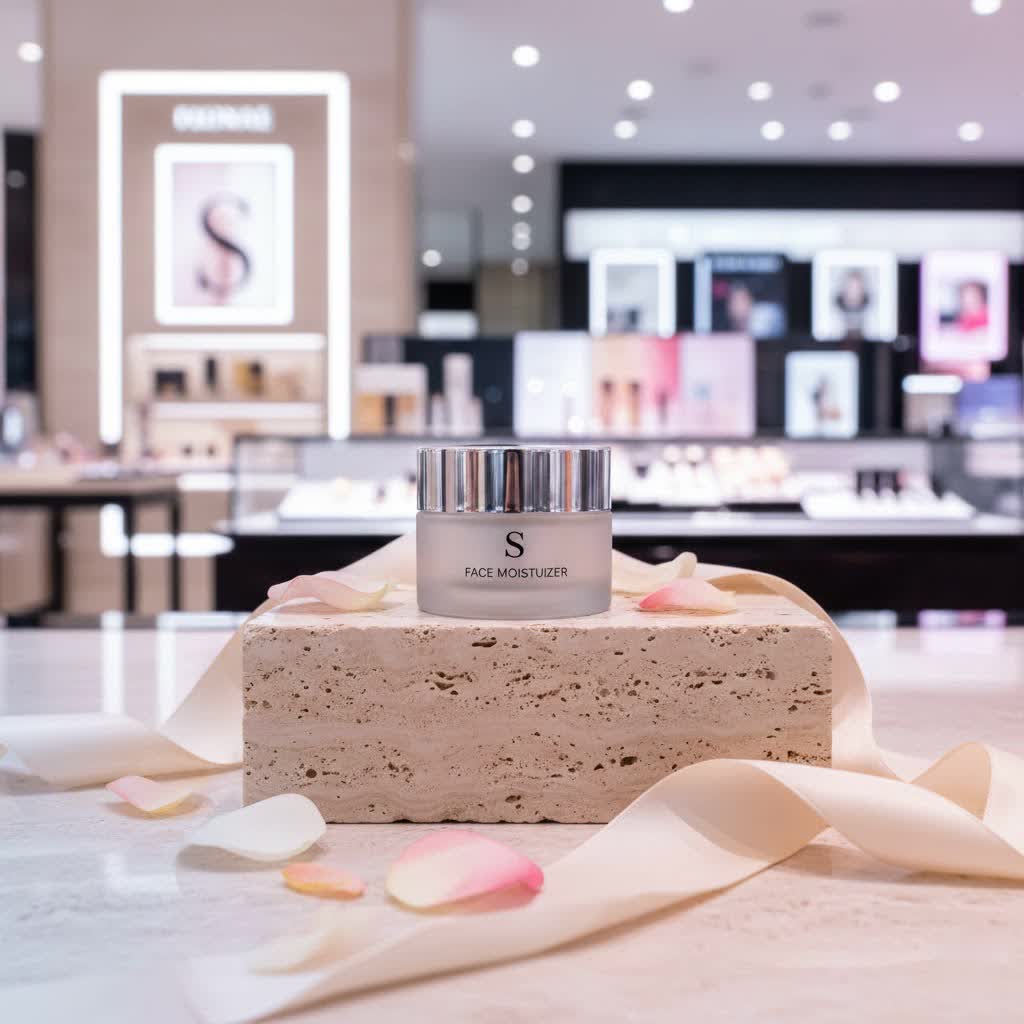
What is a Face Moisturizer and Why is it Essential?
A face moisturizer is a skincare product formulated to hydrate the skin, prevent water loss, and support the skin’s natural protective barrier. Far more than just a cream for dry patches, it’s a fundamental step for all skin types. Regular moisturization is crucial because it helps maintain skin elasticity, prevents premature lines and wrinkles, and shields the skin from environmental stressors like pollution and harsh weather. When your skin barrier is healthy, it’s better equipped to defend against inflammation and damage, promoting a smoother texture and a resilient, vibrant appearance.
Different skin types have distinct moisturizing needs. Dry skin craves rich, emollient formulas to replenish lost oils, while oily skin benefits from lightweight, non-comedogenic options that hydrate without adding excess shine. Understanding these nuances is the first step toward finding your ideal match.
Key Ingredients in Face Moisturizers
The efficacy of a face moisturizer largely depends on its ingredient profile. Understanding these components can empower you to make informed choices for your skin. Moisturizing ingredients generally fall into three categories: humectants, emollients, and occlusives, often working in synergy.
Humectants (Moisture Magnets)
Humectants are “water magnets” that attract moisture from the environment and deeper layers of the skin to the surface. They are crucial for drawing hydration into the skin.
- Glycerin: A common and highly effective humectant, glycerin is typically derived from vegetable oils. It draws water into the skin, improving overall hydration and leaving skin smooth and plump.
- Hyaluronic Acid (HA): Naturally produced in the body, hyaluronic acid can hold up to 1,000 times its weight in water. This impressive ability makes it a powerhouse for plumping the skin and enhancing softness and smoothness. Sodium hyaluronate is a salt form of HA, often used for its smaller molecular size to penetrate deeper.
- Honey: A natural humectant known for its soothing and antibacterial properties.
|
Our Picks for the Best Face Moisturizer in 2026
As an Amazon Associate I earn from qualifying purchases.
|
||
| Num | Product | Action |
|---|---|---|
| 1 | Dr.Althea 345 Relief Cream - Moisturizer for Soothing Recovery and Blemish Care with PDRN & Niacinamide - Korean Vegan Skin Care for All Skin Types, 1.69 Fl Oz (Ver.2 - Pack of 1) |

|
| 2 | Neutrogena Fragrance Free Daily Facial Moisturizer, Face & Neck Moisturizer for Sensitive Skin with Vitamin B3, Pro-Vitamin B5 & Vitamin E Supports Skin's Dynamic Barrier, 3.4 fl. oz |
|
| 3 | La Roche-Posay Lipikar AP+ Triple Repair Moisturizing Cream - Face & Body Lotion For Dry Skin - Shea Butter & Niacinamide Moisturizer - Gentle Face & Body Cream For Dry, Rough & Sensitive Skin |
|
| 4 | Tallow Face Cream Daytime – Brighten & Hydrate Moisturizer with Vitamin C, Peptides & Goji Berry Oil – Nourishing Grass-Fed Tallow Face Cream for Radiant, Smooth Skin – 2oz (57g) |
|
| 5 | La Roche-Posay Toleriane Double Repair UV SPF Moisturizer for Face, Daily Facial Moisturizer with Sunscreen SPF 30, Niacinamide and Glycerin, Oil Free, Moisturizing Sun Protection |
|
| 6 | L’Oreal Paris Collagen Daily Face Moisturizer, Anti Aging Face Cream to Reduce Wrinkles and Provide Intense Hydration, 1.7 oz |
|
| 7 | La Roche-Posay Toleriane Double Repair Face Moisturizer, Daily Moisturizer Face Cream with Ceramide & Niacinamide for All Skin Types, Immediate Comfort & Long Lasting Hydration, Fragrance Free |
|
| 8 | Vanicream Daily Facial Moisturizer With Ceramides and Hyaluronic Acid - Formulated Without Common Irritants for Those with Sensitive Skin, 3 fl oz (Pack of 1) |
|
| 9 | RoC Multi Correxion Even Tone + Lift 5-in-1 Daily Moisturizer, SPF 30, 1.7oz, Brightening, Firming, Hydrating, Paraben-free, Hypoallergenic |
|
| 10 | CeraVe Daily Moisturizing Lotion for Dry Skin, Body Lotion & Face Moisturizer with Hyaluronic Acid and Ceramides, Daily Moisturizer, Fragrance Free, Oil-Free, 12 Ounce |
|
Emollients (Skin Softeners)
Emollients smooth and soften the skin by filling in the gaps between skin cells, improving texture and providing a silky feel. They help fortify the skin barrier.
- Ceramides: These are lipids naturally found in the skin barrier. Ceramides are vital for restoring the lipid matrix, strengthening the barrier, and preventing moisture loss.
- Plant Oils: Ingredients like jojoba oil (mimics natural skin oils), argan oil, avocado oil, and shea butter are rich in fatty acids and vitamins, providing deep nourishment and softening the skin. Shea butter is particularly known for its anti-inflammatory properties and ability to help heal acne scars.
- Squalane: A stable hydrocarbon that mimics the skin’s natural squalene, offering lightweight hydration and a soft finish.
- Dimethicone: A silicone-based emollient that forms a protective layer on the skin’s surface, helping to hydrate and retain moisture. It’s often found in oil-free formulas.
Occlusives (Moisture Sealants)
Occlusives form a physical barrier on the skin’s surface, preventing transepidermal water loss (TEWL) by sealing in moisture.
- Petrolatum (Vaseline): One of the most effective occlusives, creating a robust barrier to prevent water evaporation.
- Beeswax: A natural wax that forms a protective layer while allowing the skin to breathe.
- Silicones: Including dimethicone (also an emollient), these compounds create a non-greasy barrier to lock in hydration.
- Mineral Oil: A refined petroleum derivative that creates a film on the skin to reduce water loss.
Other Beneficial Ingredients
Beyond the core moisturizing types, many face moisturizers include active ingredients that offer additional benefits:
- Vitamins (E, C, A): Vitamin E is an antioxidant that protects against free radical damage and nourishes the skin. Vitamin C brightens and protects, while Vitamin A (Retinol) supports cell turnover and collagen production.
- Antioxidants: Ingredients like green tea extract, coffee seed extract, and algae extracts help neutralize free radicals from environmental aggressors.
- Niacinamide (Vitamin B3): Helps balance oil production, minimize the appearance of pores, soothe inflammation, and strengthen the skin barrier.
- Peptides: Chains of amino acids that can signal the skin to produce more collagen, improving firmness and reducing fine lines.
Classifying Face Moisturizers by Skin Type
The ideal moisturizer is tailored to your skin’s unique characteristics. Here’s a breakdown of what each skin type generally needs:
Dry Skin
Dry skin lacks natural oils and struggles with moisture retention, often feeling tight, flaky, or rough.
- Best Options: Rich, thick creams and oil-based moisturizers.
- Key Ingredients to Look for: High concentrations of emollients like ceramides, shea butter, fatty acids, and occlusives like petrolatum. Hyaluronic acid and glycerin are also crucial for drawing in and holding moisture.
- Why: These formulas provide intense hydration, replenish lipids, and create a strong barrier to prevent water loss, leaving the skin soft and supple.
Oily Skin
Oily skin produces excess sebum, leading to a shiny appearance, visible pores, and a predisposition to breakouts.
- Best Options: Lightweight, oil-free (oil-free), gel, or lotion textures.
- Key Ingredients to Look for: Hyaluronic acid, glycerin, and niacinamide. Non-comedogenic formulas are essential.
- Why: These moisturizers provide necessary hydration without adding extra oil or clogging pores. Gel and water-based formulas absorb quickly and leave a fresh, matte finish.
Combination Skin
Combination skin presents a mix of oily and dry areas, typically an oily T-zone (forehead, nose, chin) and drier cheeks.
- Best Options: Balanced formulas, often with a gel-cream texture.
- Key Ingredients to Look for: Niacinamide to help balance oil production, jojoba oil (mimics skin’s natural sebum), and humectants like hyaluronic acid.
- Why: These products hydrate drier areas while controlling shine and supporting the barrier in oilier zones, creating overall skin harmony.
Sensitive Skin
Sensitive skin is prone to redness, irritation, itching, and allergic reactions, often reacting to fragrances, dyes, or harsh chemicals.
- Best Options: Gentle, fragrance-free, dye-free formulas.
- Key Ingredients to Look for: Soothing ingredients like aloe vera, cica (Centella Asiatica), ceramides, and minimal ingredient lists.
- Why: Hypoallergenic and non-irritating formulas help calm the skin, reduce inflammation, and strengthen a compromised barrier without triggering adverse reactions.
Normal Skin
Normal skin is well-balanced, neither too oily nor too dry, with few imperfections.
- Best Options: Versatile, light, non-greasy lotions or creams.
- Key Ingredients to Look for: A blend of humectants (e.g., hyaluronic acid, glycerin) and light emollients (e.g., squalane, jojoba oil) for daily maintenance.
- Why: The goal is to maintain the skin’s natural balance, hydration, and overall health without over-moisturizing or causing oiliness.
Comparison Table of Popular Face Moisturizers
Choosing from the myriad of products can be overwhelming. Here’s a comparison of some highly-rated and popular face moisturizers, often recommended by dermatologists and beauty experts:
| Product Name | Main Ingredients | Suitable For | Pros | Cons | Price Range |
|---|---|---|---|---|---|
| CeraVe Moisturizing Cream | Ceramides, Hyaluronic Acid, Glycerin | Dry, Sensitive, All Skin Types | Great for dry skin, affordable, fragrance-free, non-comedogenic, supports skin barrier. | May be too thick for some who dislike heavier creams. | $15-$25 |
| Neutrogena Hydro Boost Water Gel | Hyaluronic Acid, Glycerin | Oily, Combination, Normal Skin | Lightweight gel texture, instantly hydrating, oil-free, non-comedogenic, absorbs fast. | Not fragrance-free, some users go through it quickly. | $18-$25 |
| Tatcha The Water Cream | Japanese Wild Rose, Japanese Leopard Lily, Hadasei-3 | Oily, Normal, Combination Skin | Lightweight, oil-free, refines pores, leaves a dewy finish, contains antioxidants. | High price point. | $70-$75 |
| La Roche-Posay Effaclar Mat Anti-Shine Moisturizer | Sebulyse, Perlite, Micro-exfoliating LHA | Oily, Combination Skin | Reduces visible pores, mattifies without increasing oiliness, excellent makeup base, non-comedogenic. | Smaller volume for the price. | $30-$35 |
| The Ordinary Natural Moisturizing Factors + HA | Natural Moisturizing Factors (NMF), Hyaluronic Acid, Amino Acids | All Skin Types | Very affordable, simple effective formula, good for daily use, lightweight. | Can feel slightly sticky if too much is applied. | $8-$12 |
| Embryolisse Lait-Crème Concentré | Shea Butter, Beeswax, Aloe Vera, Soy Proteins | Dry, Sensitive, Multitasking | Multitasking (primer, moisturizer, makeup remover), nourishing, good for sensitive skin. | Not fragrance-free, some report a strong scent. | $17-$20 |
Guide to Choosing the Right Face Moisturizer (Buying Guide)
Navigating the vast array of options requires a strategic approach. Here’s how to make an informed decision:
Determine Your Skin Type
This is the most critical first step. Observe your skin throughout the day:
- Dry: Feels tight, flaky, often looks dull.
- Oily: Appears shiny, especially in the T-zone, prone to breakouts.
- Combination: Oily in the T-zone, dry on the cheeks.
- Sensitive: Reacts easily with redness, itching, or irritation.
- Normal: Balanced, comfortable, rarely has issues.
Once you understand your skin type, you can narrow down suitable product categories.
Carefully Read Ingredients
Skincare labels can be confusing, but focusing on key ingredient types (humectants, emollients, occlusives) is essential. Look for beneficial additions like ceramides, hyaluronic acid, and niacinamide. Conversely, if you have sensitive skin, actively avoid known irritants such as synthetic fragrances, dyes, and harsh alcohols. Many experts recommend fragrance-free products for all skin types to minimize potential irritation.
Research Brands
Opt for brands known for their transparency, scientific backing, and positive dermatologist recommendations. Brands that conduct rigorous testing (e.g., allergy-tested, non-comedogenic) tend to be more reliable. Check for certifications or endorsements from dermatological associations.
Check User Reviews
Real-world feedback can offer valuable insights into a product’s performance across different skin types and concerns. Look for consistent positive reviews regarding texture, efficacy, and how it addresses specific skin issues. Be mindful of sponsored reviews, and seek out comprehensive, detailed experiences.
Patch Testing (If Possible)
Before applying a new moisturizer all over your face, perform a patch test. Apply a small amount to a discreet area, like behind your ear or on your inner forearm, for a few days. This helps identify any potential irritation or allergic reactions before a full application.
Consider Texture and Climate
Your skin’s needs can change with the seasons and your environment. A rich cream might be perfect for dry winter months, while a lighter gel or lotion could be more suitable for humid summers. Similarly, if you live in a dry climate, you might need stronger occlusives to prevent moisture evaporation.
How to Use Face Moisturizer Effectively
Applying moisturizer correctly maximizes its benefits.
When to Apply
- Morning: After cleansing, toning, and applying any serums, follow with moisturizer, ideally one containing broad-spectrum SPF 30 or higher to protect against UV damage.
- Evening: After your nighttime cleansing and treatment routine, apply a dedicated night moisturizer. This is when your skin’s repair processes are most active.
Applying moisturizer to slightly damp skin (after cleansing or toning) can help lock in more moisture.
Application Steps
- Cleanse: Start with a clean face to remove dirt, oil, and impurities.
- Tone (Optional): Apply toner to balance skin pH and prepare it for subsequent steps.
- Serums/Treatments (Optional): Apply any targeted serums (e.g., vitamin C, retinol) allowing them to absorb fully.
- Moisturize: Dispense a small amount (usually a pea-sized amount is sufficient).
- Sunscreen (Morning): If your moisturizer doesn’t contain SPF, apply a separate sunscreen as the last step in your morning routine.
Appropriate Amount
Less is often more. Using too much moisturizer can feel heavy, lead to pilling, or even clog pores. A pea-sized amount is typically enough for the entire face and neck. Adjust based on the product’s consistency and your skin’s needs.
Gentle Massage
Apply the moisturizer with clean fingertips, gently massaging it into your skin using upward and outward strokes. This helps stimulate blood circulation and ensures even absorption without tugging or pulling at the skin. Allow a minute or two for the product to fully absorb before moving to the next step, such as makeup application.
Common Mistakes When Moisturizing Your Face
Even with the best intentions, several common pitfalls can diminish the effectiveness of your moisturizing routine.
- Using the Wrong Moisturizer for Your Skin Type: This is perhaps the most frequent mistake. A heavy cream on oily skin can lead to breakouts, while a lightweight gel won’t provide enough hydration for dry skin. Always match the product to your skin’s specific needs.
- Skipping Cleansing Before Moisturizing: Applying moisturizer over a layer of dirt, makeup, and oil can trap impurities, leading to clogged pores and reduced product efficacy. Always cleanse your face thoroughly first.
- Applying Too Much or Too Little Product: Using an excessive amount can overburden your skin and lead to a greasy feeling. Conversely, not using enough means your skin isn’t receiving adequate hydration and protection. Find the right balance through observation.
- Inconsistent Application: Moisturizing is not a one-time fix; it’s a daily commitment. Skipping days, especially after cleansing, can disrupt your skin barrier and undo previous benefits. Consistency is key to maintaining skin health.
- Ignoring SPF: Forgetting sunscreen in your morning routine, even if your moisturizer contains SPF, means incomplete protection against harmful UV rays, which are a major cause of premature aging and skin damage.
- Not Considering Seasonal Changes: Your skin’s hydration needs fluctuate. A moisturizer that works in summer might be insufficient in winter, or vice-versa. Adjust your products seasonally for optimal results.
“A well-moisturized skin barrier is your first line of defense against environmental aggressors and a cornerstone for overall skin health and youthful appearance.” – Dr. Brittaney Trent, Licensed Esthetician
Conclusion
Finding the top-rated face moisturizer for your skin is a journey, but a rewarding one. By understanding your skin type, recognizing key ingredients, and adopting an effective application routine, you can select products that truly nourish and protect your complexion. Remember that the “best” moisturizer is ultimately the one that leaves your skin feeling healthy, hydrated, and radiant, consistently. With the insights shared here, you are well-equipped to make informed decisions and maintain that coveted glow.
What steps will you take today to perfect your moisturizing routine and unlock your skin’s full potential?
Frequently Asked Questions
Is it necessary to use a separate day and night moisturizer?
While not strictly mandatory, it is often beneficial. Day moisturizers typically focus on hydration and protection, often including SPF and antioxidants. Night moisturizers tend to be richer, focusing on repair and regeneration with ingredients like peptides or gentle exfoliants, as your skin does its heaviest repair work overnight.
Can men use the same face moisturizers as women?
Absolutely. Skin physiology is largely the same regardless of gender. Men can and should use moisturizers based on their specific skin type and concerns (e.g., oily, dry, sensitive), rather than gender-specific marketing.
How often should I change my face moisturizer?
You don’t necessarily need to change your moisturizer unless your skin concerns or environment change (e.g., moving to a different climate, aging, developing new skin issues). If your current moisturizer is working well, stick with it. However, adjusting for seasonal changes can be beneficial.
