Ever wonder what the secret is to a perpetually supple, healthy complexion? It’s not a mystery, but a daily ritual: consistent and effective moisturization. A good face moisturizer is the cornerstone of any skincare routine, acting as your skin’s shield against environmental aggressors and a vital source of hydration. But with a dizzying array of options, finding the perfect one for your unique skin can feel overwhelming. This comprehensive guide will demystify the world of face moisturizers, helping you understand their importance, decipher ingredients, navigate choices for different skin types, and master the art of application, ensuring your skin remains radiant and resilient.
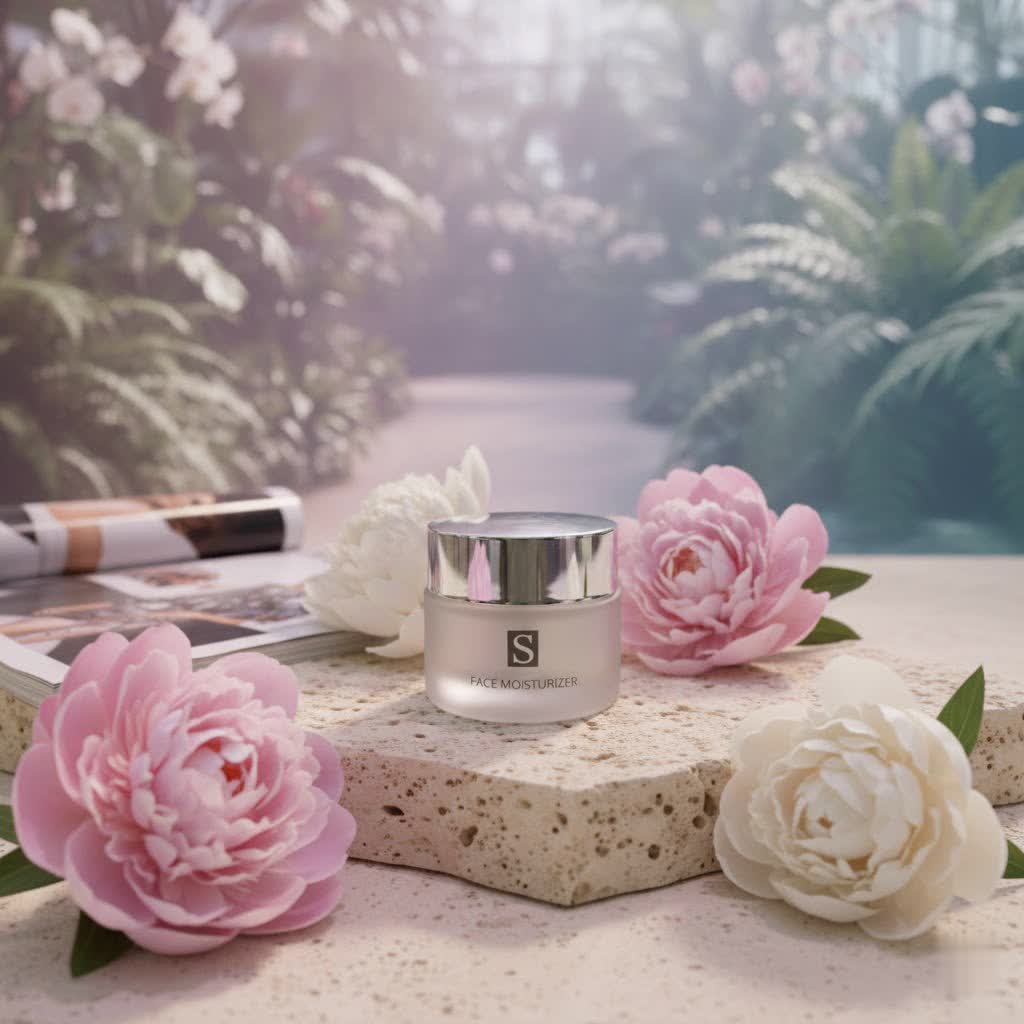
What is a Face Moisturizer and Why Is It Essential?
A face moisturizer is a cosmetic preparation designed to restore and maintain the skin’s hydration levels, forming a protective barrier that locks in moisture and guards against external damage. Its primary role is to prevent transepidermal water loss (TEWL), the natural process where water evaporates from the skin’s surface, which can lead to dryness, dullness, and a compromised skin barrier. Beyond mere hydration, a quality face moisturizer supports the skin’s natural functions, contributing to its elasticity, smoothness, and overall health.
The importance of daily moisturization cannot be overstated, regardless of your skin type. Properly hydrated skin functions optimally, allowing for better cell turnover, enhanced repair processes, and improved resilience against irritants. For dry skin, it’s about replenishing lost moisture and soothing discomfort; for oily skin, it helps balance oil production and prevent dehydration that can trigger excess sebum. Even for those with seemingly perfect skin, a good face moisturizer acts as a preventative measure, warding off premature aging and maintaining that coveted healthy glow.
Key Ingredients to Look For in a Moisturizer
Understanding the active ingredients in your face moisturizer is crucial for choosing a product that truly benefits your skin. These ingredients generally fall into three categories, each playing a distinct role in hydration and skin health.
Humectants (Moisture Magnets)
Humectants are ingredients that attract water from the air and deeper layers of the skin to the surface, effectively drawing moisture into the skin. They are excellent for providing immediate hydration and plumping the skin, reducing the appearance of fine lines.
- Glycerin: A powerful and widely used humectant, highly effective at attracting and retaining moisture.
- Hyaluronic Acid (HA): Can hold up to 1,000 times its weight in water, providing intense hydration and improving skin elasticity.
- Urea: Not only a humectant but also a mild exfoliant, helping to soften and smooth rough skin.
- Sodium PCA: A natural component of the skin’s natural moisturizing factor (NMF), it’s highly water-absorbent.
|
Our Picks for the Best Face Moisturizer in 2026
As an Amazon Associate I earn from qualifying purchases.
|
||
| Num | Product | Action |
|---|---|---|
| 1 | La Roche-Posay Toleriane Double Repair UV SPF Moisturizer for Face, Daily Facial Moisturizer with Sunscreen SPF 30, Niacinamide and Glycerin, Oil Free, Moisturizing Sun Protection |

|
| 2 | La Roche-Posay Toleriane Double Repair Face Moisturizer, Daily Moisturizer Face Cream with Ceramide & Niacinamide for All Skin Types, Immediate Comfort & Long Lasting Hydration, Fragrance Free |
|
| 3 | RoC Multi Correxion Even Tone + Lift 5-in-1 Daily Moisturizer, SPF 30, 1.7oz, Brightening, Firming, Hydrating, Paraben-free, Hypoallergenic |
|
| 4 | Tallow Face Cream Daytime – Brighten & Hydrate Moisturizer with Vitamin C, Peptides & Goji Berry Oil – Nourishing Grass-Fed Tallow Face Cream for Radiant, Smooth Skin – 2oz (57g) |
|
| 5 | CeraVe Daily Moisturizing Lotion for Dry Skin, Body Lotion & Face Moisturizer with Hyaluronic Acid and Ceramides, Daily Moisturizer, Fragrance Free, Oil-Free, 12 Ounce |
|
| 6 | Vanicream Daily Facial Moisturizer With Ceramides and Hyaluronic Acid - Formulated Without Common Irritants for Those with Sensitive Skin, 3 fl oz (Pack of 1) |
|
| 7 | L’Oreal Paris Collagen Daily Face Moisturizer, Anti Aging Face Cream to Reduce Wrinkles and Provide Intense Hydration, 1.7 oz |
|
| 8 | Dr.Althea 345 Relief Cream - Moisturizer for Soothing Recovery and Blemish Care with PDRN & Niacinamide - Korean Vegan Skin Care for All Skin Types, 1.69 Fl Oz (Ver.2 - Pack of 1) |
|
| 9 | La Roche-Posay Lipikar AP+ Triple Repair Moisturizing Cream - Face & Body Lotion For Dry Skin - Shea Butter & Niacinamide Moisturizer - Gentle Face & Body Cream For Dry, Rough & Sensitive Skin |
|
| 10 | Neutrogena Fragrance Free Daily Facial Moisturizer, Face & Neck Moisturizer for Sensitive Skin with Vitamin B3, Pro-Vitamin B5 & Vitamin E Supports Skin's Dynamic Barrier, 3.4 fl. oz |
|
Emollients (Smoothers and Softeners)
Emollients are agents that fill the spaces between skin cells, smoothing the skin’s surface and restoring suppleness. They help to improve the skin’s texture, making it feel soft and pliable.
- Ceramides: Naturally occurring lipids essential for a healthy skin barrier; they help glue skin cells together, preventing moisture loss.
- Fatty Acids (e.g., Linoleic Acid, Oleic Acid): Vital for skin barrier function and overall skin health, often derived from plant oils.
- Cholesterol: Another key lipid component of the skin barrier, working in synergy with ceramides and fatty acids.
- Plant Oils (e.g., Jojoba Oil, Argan Oil, Squalane): Mimic the skin’s natural sebum, providing nourishment and a silky feel without clogging pores.
- Shea Butter: A rich emollient known for its intensive moisturizing and skin-softening properties.
Occlusives (Moisture Lockers)
Occlusives create a physical barrier on the skin’s surface, preventing water from escaping. They are essential for locking in the hydration provided by humectants and emollients, especially for very dry or compromised skin.
- Petrolatum (Petroleum Jelly): One of the most effective occlusives, forming a highly protective barrier to minimize water loss.
- Mineral Oil: A lightweight, non-comedogenic occlusive that provides a smooth feel and prevents moisture evaporation.
- Dimethicone/Silicones: Create a breathable barrier, offering a silky texture and blurring imperfections while locking in moisture.
- Beeswax: A natural occlusive that forms a protective layer, often found in richer creams and balms.
Other Beneficial Ingredients
Beyond these core categories, many face moisturizers are fortified with ingredients that offer additional benefits, from anti-aging to soothing properties.
- Antioxidants (e.g., Vitamin C, Vitamin E, Green Tea Extract): Protect the skin from environmental damage and free radicals, promoting a youthful appearance.
- Niacinamide (Vitamin B3): Improves skin barrier function, reduces inflammation, minimizes pore appearance, and evens skin tone.
- Peptides: Short chains of amino acids that can signal the skin to produce more collagen, improving firmness and reducing wrinkles.
- AHAs/BHAs (Alpha/Beta Hydroxy Acids): While primarily exfoliants, in lower concentrations, they can improve skin texture, allowing moisturizers to penetrate better.
Finding the Right Face Moisturizer for Your Skin Type
Matching your face moisturizer to your specific skin type is paramount for achieving optimal results. A product that works wonders for one person might cause issues for another, highlighting the importance of personalized care.
Dry Skin
If your skin often feels tight, flaky, or rough, you likely have dry skin. This type requires a face moisturizer that is rich, creamy, and packed with both emollients and occlusives to deeply nourish and prevent moisture loss.
- Look for: Creams or balms with ingredients like ceramides, shea butter, squalane, hyaluronic acid, and petrolatum. These formulations create a strong barrier and provide long-lasting hydration.
- Avoid: Lightweight gels or lotions that might not provide enough occlusive power.
Oily Skin
Contrary to popular belief, oily skin still needs a face moisturizer. Dehydration can actually trigger your skin to produce more oil. The key is to choose formulations that hydrate without adding excess grease or clogging pores.
- Look for: Oil-free, non-comedogenic, lightweight gel or lotion formulas. Ingredients like hyaluronic acid, niacinamide, and glycerin provide hydration without heaviness. Mattifying ingredients can also be beneficial.
- Avoid: Heavy creams, thick balms, and products rich in occlusive oils that can exacerbate oiliness and lead to breakouts.
Combination Skin
Combination skin is characterized by an oily T-zone (forehead, nose, chin) and drier cheeks or vice-versa. This can be tricky, often requiring a balanced approach.
- Look for: Lightweight lotions that provide moderate hydration. You might consider “zone treatment,” using a lighter gel on oily areas and a slightly richer formula on dry patches. Products with hyaluronic acid and glycerin are generally safe bets.
- Consider: Using a single, balanced moisturizer across the entire face, or two different formulas if the contrast between oily and dry areas is significant.
Sensitive Skin
Sensitive skin is prone to redness, irritation, itching, and allergic reactions. The goal is to soothe, protect, and hydrate without triggering adverse responses.
- Look for: Fragrance-free, dye-free, alcohol-free, and hypoallergenic formulas. Simpler ingredient lists are often better. Soothing ingredients like centella asiatica, oat extract, aloe vera, and ceramides are excellent choices.
- Avoid: Products with artificial fragrances, essential oils, parabens, strong exfoliants, or harsh alcohols, which can irritate sensitive skin.
Normal Skin
If your skin feels balanced, rarely experiences breakouts, dryness, or excessive oiliness, you have normal skin. Your aim is to maintain this healthy balance and protect it.
- Look for: Versatile, light to medium weight lotions or creams that maintain natural hydration. Products with a good balance of humectants and emollients will work well.
- Focus on: Preventative care, incorporating antioxidants and broad-spectrum SPF in your daytime routine.
Comparison Table: Types of Face Moisturizers for Diverse Needs
| Moisturizer Type | Key Characteristics | Primary Ingredients | Best For | Pros | Cons |
|---|---|---|---|---|---|
| Rich Cream | Thick, dense, luxurious texture | Ceramides, Petrolatum, Shea Butter, Plant Oils, Glycerin | Dry, Mature, Compromised | Intense hydration, strong barrier, soothing | Can feel heavy, potentially clog pores for oily skin |
| Lightweight Lotion | Smooth, fluid, easily absorbed | Hyaluronic Acid, Glycerin, Dimethicone, Squalane | Normal, Combination | Balanced hydration, non-greasy, versatile | Might not be enough for very dry or severely dehydrated skin |
| Gel Moisturizer | Water-based, transparent, cooling, fast-absorbing | Hyaluronic Acid, Glycerin, Aloe Vera, Niacinamide | Oily, Acne-Prone | Ultra-light, non-comedogenic, refreshing, no residue | Limited occlusive power, not ideal for very dry skin |
| Balm/Ointment | Very thick, often anhydrous (no water), highly occlusive | Petrolatum, Mineral Oil, Beeswax, Lanolin | Very Dry, Eczema-Prone | Maximum barrier protection, repairs severely dry skin | Very heavy, greasy feel, generally for night or specific concerns |
| Sensitive Skin Formula | Hypoallergenic, minimal ingredients, gentle | Ceramides, Oat Extract, Squalane, Hyaluronic Acid | Sensitive, Reactive | Reduces irritation, strengthens barrier, soothing | Can be less potent for anti-aging or specific concerns |
Your Ultimate Guide to Choosing a Face Moisturizer (Buying Guide)
Navigating the vast market of face moisturizers requires a strategic approach. Follow these steps to make an informed decision and find your ideal match.
Identify Your Skin Type
This is the foundational step. Take a moment to observe your skin: Does it feel tight after washing? (Dry) Is it shiny by midday? (Oily) Does your T-zone get greasy while your cheeks stay dry? (Combination) Does it react easily to new products? (Sensitive) Accurately identifying your skin type narrows down your options considerably. Consider consulting a dermatologist for a professional assessment if you’re unsure.
Understand Ingredient Lists
Become an ingredient detective. Look for the humectants, emollients, and occlusives mentioned earlier that align with your skin’s needs. Pay attention to the order of ingredients – those listed first are present in higher concentrations.
- For dry skin, prioritize ceramides, fatty acids, and richer oils.
- For oily skin, seek out hyaluronic acid, niacinamide, and “non-comedogenic” labels.
- For sensitive skin, rigorously avoid fragrances, dyes, and common irritants.
“A good face moisturizer isn’t just about adding water; it’s about supporting your skin’s natural barrier. Focus on ingredients that both hydrate and protect.” – Dr. Ava Shamban, Board-Certified Dermatologist
Research Reputable Brands
Opt for brands with a track record of quality, transparent ingredient sourcing, and positive scientific backing. Well-established skincare companies often invest more in research and development, ensuring product efficacy and safety. Look for brands recommended by dermatologists or those with good clinical studies.
Read User Reviews
While individual experiences vary, user reviews offer valuable insights into a product’s texture, scent, and overall performance for different skin types. Pay attention to reviews from people with similar skin concerns to yours. However, remember that reviews are subjective; what works for one person might not work for another.
Patch Test Before Full Use
Before committing a new face moisturizer to your entire face, perform a patch test. Apply a small amount to an inconspicuous area, like behind your ear or on your inner forearm, for several days. Observe for any signs of redness, itching, or irritation. This simple step can prevent widespread skin reactions.
How to Effectively Apply Face Moisturizer
Applying your face moisturizer correctly can significantly enhance its effectiveness, ensuring maximum absorption and benefit.
When to Apply
The best times to apply face moisturizer are morning and night.
- Morning: After cleansing, toning, and applying any serums, a good face moisturizer prepares your skin for the day, creating a smooth canvas for makeup and providing a protective layer before applying SPF.
- Evening: After your nighttime cleansing and treatment routine, it helps lock in moisture, supports skin repair overnight, and prevents dehydration while you sleep.
The Steps for Application
Your moisturizer should generally be the last step in your skincare routine, right before sunscreen in the morning.
- Cleanse: Start with a clean face to remove dirt, oil, and makeup.
- Tone (Optional): Apply toner to balance skin pH and prepare for subsequent steps.
- Serums/Treatments: Apply any targeted serums (e.g., Vitamin C, retinoids, hyaluronic acid) allowing them to fully absorb.
- Moisturize: Gently apply your face moisturizer.
- Sunscreen (Morning Only): Always follow with a broad-spectrum sunscreen with SPF 30 or higher during the day.
The Right Amount
More isn’t always better. For your face, a pea-sized amount is usually sufficient. If you extend to your neck and décolletage, a dime-sized amount should cover it. Using too much can feel heavy, prevent absorption, or even lead to breakouts for some skin types.
Gentle Massage
Warm a small amount of face moisturizer between your fingertips, then gently dot it across your face (forehead, cheeks, nose, chin). Use upward and outward strokes to massage it into your skin. This not only aids absorption but also stimulates circulation, giving your skin a healthy flush. Don’t forget to extend the application to your neck and chest, as these areas often show signs of aging first.
Common Mistakes to Avoid When Moisturizing Your Face
Even with the best intentions, certain habits can undermine the effectiveness of your face moisturizer. Being aware of these common pitfalls can help you optimize your routine.
- Using a Face Moisturizer Not Suited for Your Skin Type: This is perhaps the most frequent error. A moisturizer too rich for oily skin can lead to breakouts, while one too light for dry skin will leave it parched. Always ensure your product matches your skin’s specific needs.
- Skipping the Cleansing Step: Applying moisturizer over unwashed skin can trap dirt, oil, and impurities, leading to clogged pores and reduced product efficacy. Always start with a freshly cleansed face.
- Applying to Bone-Dry Skin: For many moisturizers, especially those with humectants like hyaluronic acid, applying to slightly damp skin can significantly boost absorption and efficacy. The moisture on your skin provides something for the humectant to draw in.
- Using Too Much or Too Little: As mentioned, a pea-sized amount is generally enough for the face. Using too much can feel sticky and wasteful, while too little won’t provide adequate hydration or protection.
- Not Being Consistent: Skincare is a marathon, not a sprint. The benefits of a good face moisturizer accumulate over time with consistent, daily use. Skipping days or weeks can interrupt the skin’s hydration cycle and compromise its barrier function.
- Ignoring Other Factors: Your skin health isn’t solely dependent on topical products. Dehydration, poor diet, lack of sleep, and excessive sun exposure can all impact your skin’s ability to retain moisture, even with the best moisturizer. Hydrate internally by drinking plenty of water.
“The biggest mistake people make with moisturizers is giving up too soon or not using them consistently. The skin needs time to adapt and truly benefit from sustained hydration.” – Dr. Elizabeth Tanzi, Dermatologist and Assistant Professor
Conclusion
Finding the best face moisturizer for your skin is an empowering step towards achieving and maintaining a healthy, radiant complexion. By understanding your skin type, deciphering key ingredients, making informed choices, and applying your products correctly, you unlock the full potential of this essential skincare staple. Remember that consistent care and attention to your skin’s unique needs are the ultimate keys to its vitality. Embrace the journey of discovery, and your skin will thank you with a youthful glow that reflects its optimal health. What’s your secret to beautifully moisturized skin?
Frequently Asked Questions
What is the most important ingredient in a good face moisturizer?
While many ingredients contribute, hyaluronic acid and ceramides are often highlighted as crucial. Hyaluronic acid is an exceptional humectant for hydration, and ceramides are vital lipids that strengthen the skin’s natural barrier, preventing moisture loss and protecting against environmental damage.
Can I use the same face moisturizer for day and night?
Yes, you can often use the same face moisturizer for both day and night, especially if it’s a balanced formula suited to your skin type. However, some prefer a lighter gel or lotion during the day (especially under makeup) and a richer cream at night for enhanced repair and hydration while sleeping.
How often should I apply face moisturizer?
For most people, applying face moisturizer twice daily – once in the morning and once in the evening – is ideal. This ensures continuous hydration and protection, supporting your skin’s barrier throughout the day and during its nighttime repair cycle.
Do I need a face moisturizer if I have oily skin?
Absolutely! Oily skin still needs hydration. Skipping moisturizer can ironically cause your skin to overcompensate by producing even more oil. Opt for lightweight, oil-free, non-comedogenic gel or lotion formulas that hydrate without adding greasiness or clogging pores.
What does “non-comedogenic” mean for a face moisturizer?
“Non-comedogenic” means the product has been formulated to avoid ingredients known to clog pores, which can lead to blackheads, whiteheads, and acne. This label is particularly important for those with oily, acne-prone, or combination skin.
Can a face moisturizer prevent wrinkles?
While a face moisturizer primarily hydrates and protects, well-hydrated skin appears plumper and smoother, which can temporarily diminish the appearance of fine lines and wrinkles. Long-term use of good face moisturizers also helps maintain skin elasticity and barrier health, contributing to overall skin resilience against aging factors. However, it’s not a direct anti-wrinkle treatment like retinoids or peptides.
