In the quest for healthy, youthful, and vibrant skin, two steps are non-negotiable: hydration and sun protection. But what if you could achieve both with a single, streamlined product? Enter the face moisturizer with sunscreen—a true skincare hero designed to simplify your routine without compromising on results. This comprehensive guide will delve into everything you need to know, from understanding its essential benefits and key ingredients to choosing the perfect formula for your skin type and mastering effective application techniques. Prepare to shield your skin from daily environmental aggressors while bathing it in vital moisture, revealing a complexion that truly glows.
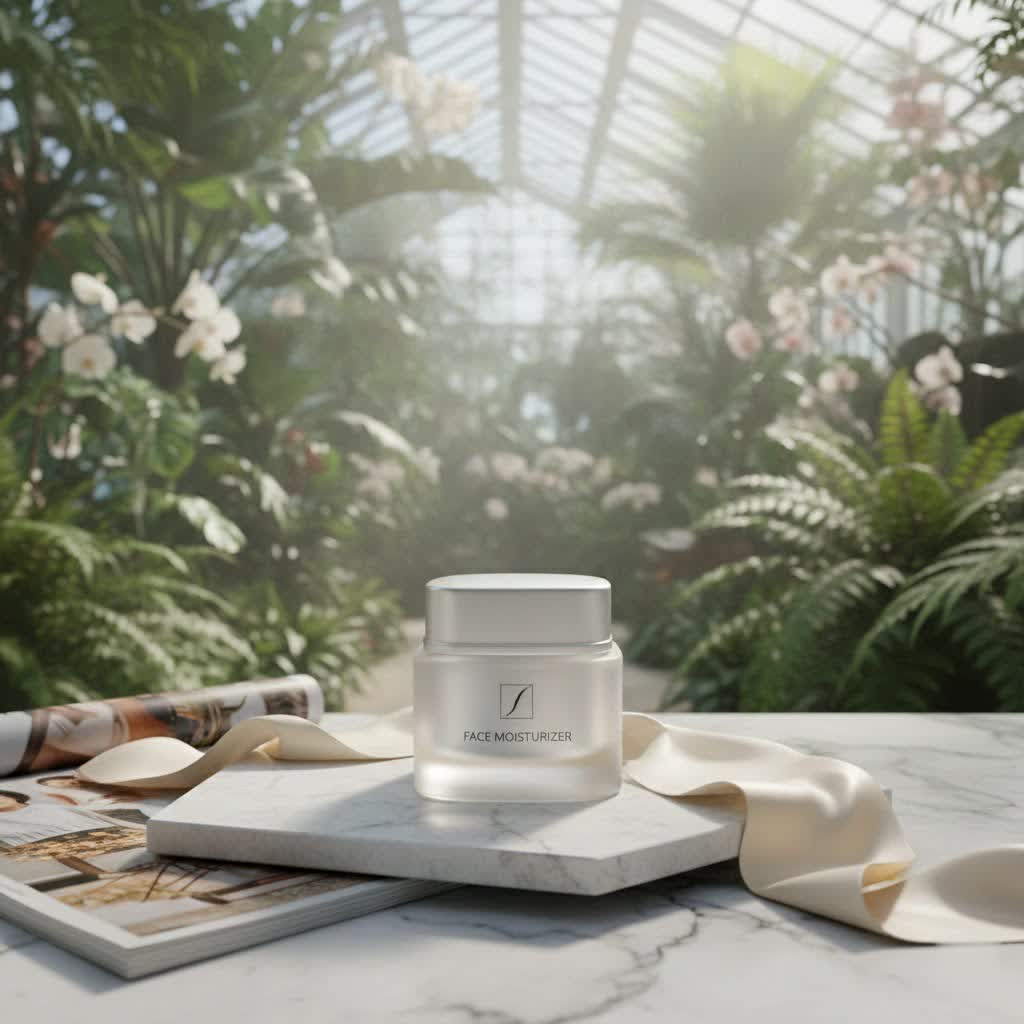
What is Face Moisturizer with Sunscreen and Why is it Essential?
A face moisturizer with sunscreen is a hybrid skincare product that combines the hydrating properties of a daily moisturizer with the protective benefits of a broad-spectrum sunscreen. It’s formulated to deliver essential moisture to the skin while simultaneously guarding against harmful ultraviolet (UV) radiation from the sun.
The importance of this dual-action product cannot be overstated. Daily sun exposure, even on cloudy days or indoors near windows, contributes significantly to premature skin aging, including fine lines, wrinkles, and dark spots. More critically, it increases the risk of skin cancer. A moisturizer with SPF (Sun Protection Factor) offers consistent protection against both UVA rays (responsible for aging) and UVB rays (the primary cause of sunburn). Beyond sun defense, it supports the skin’s natural barrier, preventing moisture loss and keeping the complexion supple and healthy. By merging these two critical steps, it also streamlines your morning routine, making consistent skincare more achievable for everyone. While all skin types require both hydration and sun protection, their specific needs for formulation and ingredients can vary, making a tailored choice crucial.
Key Ingredients in Face Moisturizer with Sunscreen
Understanding the ingredients in your face moisturizer with sunscreen is vital for choosing an effective product. These formulas typically contain a blend of active sunscreen filters and various moisturizing agents.
Sunscreen Filters
These are the core components responsible for UV protection.
- Mineral Sunscreen Filters: Zinc Oxide and Titanium Dioxide are physical blockers that sit on the skin’s surface and deflect UV rays. They are often recommended for sensitive skin due to their gentle nature, though they can sometimes leave a white cast, especially on darker skin tones, unless tinted.
- Chemical Sunscreen Filters: Ingredients like Oxybenzone, Avobenzone, Octinoxate, and Octisalate work by absorbing UV radiation as it penetrates the skin and converting it into heat, which is then released from the skin. These are typically lighter in texture and less likely to leave a white residue.
- Broad-Spectrum Protection: Regardless of the filter type, ensure your product specifies “broad-spectrum” to protect against both UVA (aging) and UVB (burning) rays.
|
Our Picks for the Best Face Moisturizer in 2026
As an Amazon Associate I earn from qualifying purchases.
|
||
| Num | Product | Action |
|---|---|---|
| 1 | Dr.Althea 345 Relief Cream - Moisturizer for Soothing Recovery and Blemish Care with PDRN & Niacinamide - Korean Vegan Skin Care for All Skin Types, 1.69 Fl Oz (Ver.2 - Pack of 1) |

|
| 2 | La Roche-Posay Toleriane Double Repair Face Moisturizer, Daily Moisturizer Face Cream with Ceramide & Niacinamide for All Skin Types, Immediate Comfort & Long Lasting Hydration, Fragrance Free |
|
| 3 | RoC Multi Correxion Even Tone + Lift 5-in-1 Daily Moisturizer, SPF 30, 1.7oz, Brightening, Firming, Hydrating, Paraben-free, Hypoallergenic |
|
| 4 | L’Oreal Paris Collagen Daily Face Moisturizer, Anti Aging Face Cream to Reduce Wrinkles and Provide Intense Hydration, 1.7 oz |
|
| 5 | Tallow Face Cream Daytime – Brighten & Hydrate Moisturizer with Vitamin C, Peptides & Goji Berry Oil – Nourishing Grass-Fed Tallow Face Cream for Radiant, Smooth Skin – 2oz (57g) |
|
| 6 | La Roche-Posay Lipikar AP+ Triple Repair Moisturizing Cream - Face & Body Lotion For Dry Skin - Shea Butter & Niacinamide Moisturizer - Gentle Face & Body Cream For Dry, Rough & Sensitive Skin |
|
| 7 | CeraVe Daily Moisturizing Lotion for Dry Skin, Body Lotion & Face Moisturizer with Hyaluronic Acid and Ceramides, Daily Moisturizer, Fragrance Free, Oil-Free, 12 Ounce |
|
| 8 | Vanicream Daily Facial Moisturizer With Ceramides and Hyaluronic Acid - Formulated Without Common Irritants for Those with Sensitive Skin, 3 fl oz (Pack of 1) |
|
| 9 | La Roche-Posay Toleriane Double Repair UV SPF Moisturizer for Face, Daily Facial Moisturizer with Sunscreen SPF 30, Niacinamide and Glycerin, Oil Free, Moisturizing Sun Protection |
|
| 10 | Neutrogena Fragrance Free Daily Facial Moisturizer, Face & Neck Moisturizer for Sensitive Skin with Vitamin B3, Pro-Vitamin B5 & Vitamin E Supports Skin's Dynamic Barrier, 3.4 fl. oz |
|
Humectants
Humectants are ingredients that attract and hold moisture, drawing it from the air into the skin, or from deeper skin layers to the surface.
- Glycerin: A common and highly effective humectant that helps to hydrate the skin.
- Hyaluronic Acid: Known for its impressive ability to hold up to 1,000 times its weight in water, providing intense hydration.
- Urea: A natural moisturizing factor that also aids in exfoliating dead skin cells.
Emollients
Emollients are substances that fill the gaps between skin cells, smoothing the skin and restoring its barrier function. They make the skin feel soft and pliable.
- Ceramides: Lipid molecules naturally found in the skin barrier that help retain moisture and protect against environmental damage.
- Fatty Acids: Essential for maintaining skin health and integrity.
- Plant Oils (e.g., Jojoba Oil, Squalane): Mimic the skin’s natural sebum, providing lightweight yet effective moisturization.
- Shea Butter: A rich, nourishing emollient known for its moisturizing and soothing properties.
Occlusives
Occlusives form a protective barrier on the skin’s surface to prevent transepidermal water loss, effectively sealing in moisture.
- Petrolatum: A highly effective occlusive that locks in hydration.
- Beeswax: A natural occlusive that also has some emollient properties.
- Silicones (e.g., Dimethicone): Create a smooth, breathable film that prevents water loss without feeling heavy.
Other Beneficial Ingredients
Many moisturizers with SPF also include ingredients to address specific skin concerns.
- Antioxidants (e.g., Vitamin C, Vitamin E): Help neutralize free radicals caused by sun exposure and pollution, providing an extra layer of defense.
- Niacinamide (Vitamin B3): Can help improve skin barrier function, reduce redness, minimize pores, and regulate oil production.
- Peptides: Support collagen production, contributing to firmer, more youthful-looking skin.
Classifying Face Moisturizers with Sunscreen by Skin Type
Choosing the right face moisturizer with sunscreen depends heavily on your individual skin type. What works wonders for dry skin might feel heavy or clog pores for oily skin.
Dry Skin
If your skin often feels tight, flaky, or rough, you have dry skin.
- Look for: Rich, creamy formulas with higher oil content. Products emphasizing emollients like ceramides, shea butter, and nourishing plant oils, alongside strong humectants like hyaluronic acid and glycerin, will provide the deep hydration needed while locking it in with occlusives. Opt for an SPF of 30 or higher.
Oily/Acne-Prone Skin
Characterized by excess sebum production, leading to a shiny complexion, enlarged pores, and frequent breakouts.
- Look for: Lightweight, oil-free, and non-comedogenic (won’t clog pores) formulas. Gels, lotions, or fluid textures are ideal. Mineral sunscreens (zinc oxide, titanium dioxide) are often preferred as they are less likely to irritate or trigger breakouts. Ingredients like niacinamide can help regulate oil production.
Combination Skin
This skin type features both oily and dry areas, typically an oily T-zone (forehead, nose, chin) and drier cheeks.
- Look for: Balanced formulas that offer hydration without excessive oiliness. Lightweight lotions or fluid textures can work well. Some individuals might prefer to use a slightly different product on their T-zone compared to their cheeks, but a good combination skin SPF moisturizer will provide universal balance.
Sensitive Skin
Sensitive skin is prone to redness, itching, stinging, or irritation from various products or environmental factors.
- Look for: Fragrance-free, dye-free, and paraben-free formulas. Mineral sunscreens (zinc oxide, titanium dioxide) are generally better tolerated as they cause less irritation. Soothing ingredients like centella asiatica or aloe vera can also be beneficial. Always perform a patch test.
Normal Skin
If your skin is well-balanced, neither excessively oily nor dry, you have normal skin.
- Look for: Versatile formulas that maintain natural hydration and provide broad-spectrum protection. You have more flexibility in texture and ingredients, but consistent use of SPF 30+ and good hydrating agents remains key.
Comparative Table of Popular Face Moisturizers with Sunscreen
Selecting the ideal face moisturizer with sunscreen can be simplified by understanding the general characteristics of popular product types. This table provides a general comparison to help you identify which formulation might best suit your needs.
| Feature | Lightweight, Oil-Free SPF Moisturizer | Rich, Hydrating SPF Cream | Mineral-Based SPF Lotion for Sensitive Skin |
|---|---|---|---|
| Key Ingredients | Niacinamide, Salicylic Acid, Chemical or Mineral SPF | Hyaluronic Acid, Ceramides, Chemical SPF | Zinc Oxide, Titanium Dioxide, Soothing botanicals |
| Skin Type | Oily, Acne-Prone, Combination | Dry, Mature, Normal | Sensitive, Post-procedure, All Skin Types |
| Pros | Matte finish, non-comedogenic, controls oil | Deep hydration, anti-aging benefits | Gentle, less irritation, broad-spectrum |
| Cons | May not be hydrating enough for very dry areas | Can feel heavy on oily skin | Potential white cast (unless tinted) |
| Texture | Gel, fluid, or very lightweight lotion | Cream, balm | Lotion or tinted fluid |
| SPF Level | SPF 30-40 | SPF 30-50 | SPF 30-50 |
“A well-chosen face moisturizer with sunscreen is more than just convenience; it’s a strategic investment in your skin’s long-term health, offering a dual defense against environmental damage and premature aging.”
How to Choose the Right Face Moisturizer with Sunscreen (Buying Guide)
Navigating the array of face moisturizers with sunscreen can be daunting. Follow this buying guide to make an informed choice that truly benefits your skin.
Identify Your Skin Type
This is the foundational step. Observe your skin throughout the day:
- Dry: Feels tight, flaky, often dull.
- Oily: Shiny all over, enlarged pores, prone to breakouts.
- Combination: Oily T-zone, dry or normal cheeks.
- Sensitive: Reacts easily with redness, itching, or stinging.
- Normal: Balanced, few concerns.
Understanding your skin type will guide you toward suitable textures and ingredients.
Prioritize SPF and Broad-Spectrum Protection
Always look for a product with an SPF of 30 or higher. Anything lower offers insufficient protection for daily use. Equally important is “broad-spectrum” coverage, meaning it protects against both UVA (aging) and UVB (burning) rays. Without broad-spectrum, you’re only getting partial protection.
Decipher Ingredient Lists
Become familiar with key ingredients:
- For hydration: Hyaluronic acid, glycerin, ceramides, urea.
- For barrier repair: Ceramides, fatty acids.
- For oily/acne-prone: Niacinamide, salicylic acid (in some formulations), “non-comedogenic” label.
- For sensitive skin: Zinc oxide, titanium dioxide (mineral filters), “fragrance-free,” “dye-free” labels.
- Avoid: High concentrations of alcohol, strong fragrances if you have sensitive or dry skin.
Research Brands and Reviews
Look for reputable brands with a track record of quality and efficacy. Read user reviews, but also cross-reference with dermatologist recommendations or trusted skincare resources. Pay attention to common complaints (e.g., white cast, pilling, greasiness) that might be deal-breakers for you.
Consider Lifestyle and Environment
- Indoor vs. Outdoor: If you spend most of your day indoors but near windows, SPF 30 might suffice. For significant outdoor activity, higher SPF (50+) and more frequent reapplication are crucial.
- Climate: In humid climates, you might prefer lighter textures; in dry climates, richer creams.
Patch Test Before Full Use
Before applying any new product to your entire face, perform a patch test. Apply a small amount to an inconspicuous area (like behind your ear or on your inner forearm) for a few days to check for any allergic reactions or irritation. This simple step can save you from widespread breakouts or discomfort.
Effective Ways to Use Your Face Moisturizer with Sunscreen
Maximizing the benefits of your face moisturizer with sunscreen goes beyond just choosing the right product. Proper application is key to ensuring adequate protection and hydration.
Apply Daily, Every Morning
Make your face moisturizer with sunscreen a non-negotiable part of your daily morning skincare routine, even on cloudy days or when staying indoors. UV rays can penetrate clouds and windows, making consistent protection essential.
The Proper Order
Your face moisturizer with sunscreen should be applied as the last step in your morning skincare routine, before any makeup. The typical order is:
- Cleanser
- Toner
- Serums (e.g., Vitamin C serum)
- Eye Cream
- Face Moisturizer with Sunscreen
Applying it last ensures it forms a protective layer on top of your other skincare, acting as a final barrier against UV rays.
Use the Right Amount
Many people under-apply sunscreen, significantly reducing its effectiveness. A good rule of thumb is the “two-finger rule”: squeeze a line of product down the length of your index and middle fingers. This amount typically provides sufficient coverage for your face and neck. Do not skimp on quantity.
Gentle, Even Application
Apply the product evenly across your face, neck, and any other exposed areas. Use gentle, upward strokes. Ensure full coverage without missing spots, especially around the hairline, jawline, and ears. Massage it in until it’s fully absorbed and no visible white cast remains (if using a mineral formula).
Don’t Forget Exposed Areas
Extend the application to your neck, décolletage (upper chest), and the tops of your ears. These areas are frequently exposed to the sun and are just as susceptible to damage and aging as your face.
Reapply as Needed
While a daily application is crucial, the protection provided by SPF moisturizers can diminish over time, especially with prolonged sun exposure, sweating, or swimming. For continuous protection, reapply your face moisturizer with sunscreen at least every two hours when outdoors. If you’re sweating heavily or swimming, reapply immediately after. For quick touch-ups over makeup, an SPF powder or spray can be a convenient option.
Common Mistakes When Using Face Moisturizer with Sunscreen
Even with the best intentions, certain pitfalls can compromise the effectiveness of your face moisturizer with sunscreen. Being aware of these common mistakes can help you ensure optimal skin health.
Using Insufficient SPF (Below 30)
One of the most frequent errors is relying on a product with an SPF lower than 30. While SPF 15 may offer minimal protection, it’s generally not enough for daily defense against significant UV exposure. Dermatologists consistently recommend SPF 30 or higher for adequate broad-spectrum protection.
Not Applying Enough Product
The stated SPF on a product is based on applying a specific amount (typically 2 mg/cm² of skin). Most people apply far less, which means they are not getting the level of protection advertised. The “two-finger rule” is a simple way to ensure you’re using a generous, effective amount for your face and neck.
Forgetting Reapplication
SPF is not a “set it and forget it” solution. Its effectiveness decreases over time, especially when exposed to direct sunlight, sweat, or water. Failing to reapply your moisturizer with SPF every two hours (or more frequently if swimming or sweating) leaves your skin vulnerable to UV damage throughout the day.
Skipping Broad-Spectrum Protection
Some sunscreens only protect against UVB rays (which cause sunburn) and not UVA rays (which contribute to aging and skin cancer). Ensure your product explicitly states “broad-spectrum” to shield your skin from both types of harmful UV radiation.
Ignoring Your Skin Type
Using a rich, heavy cream on oily skin can lead to clogged pores and breakouts, while a lightweight gel might not provide enough hydration for very dry skin. Selecting a formula unsuitable for your skin type can negate moisturizing benefits and cause other skin issues, making the product less effective overall.
Layering Incorrectly
Applying your moisturizer with sunscreen too early in your routine, such as under serums or other treatment products, can dilute its effectiveness or prevent it from forming an even protective layer. Always apply it as the final step before makeup.
Relying Solely on Makeup with SPF
While some foundations or BB creams contain SPF, they often don’t provide adequate protection. People typically don’t apply enough makeup to reach the stated SPF level, and makeup can wear off unevenly. It’s always best to use a dedicated face moisturizer with sunscreen as your primary sun protection.
Conclusion
A face moisturizer with sunscreen is a powerful addition to any skincare regimen, offering the dual benefits of essential hydration and robust sun protection in one convenient step. By understanding its key ingredients, choosing a formula tailored to your skin type, and mastering proper application techniques, you can effectively shield your skin from the damaging effects of UV radiation while maintaining a healthy, hydrated complexion. Making this multi-tasking product a cornerstone of your daily routine is a proactive step toward preserving your skin’s youthfulness and overall health. What difference has a consistent SPF moisturizer made in your skin?
Frequently Asked Questions
Can I use face moisturizer with sunscreen at night?
No, it is generally unnecessary and not recommended to use a face moisturizer with sunscreen at night. The SPF components are specifically designed for daytime sun protection. At night, focus on using a dedicated night cream or moisturizer that provides hydration and targets specific concerns like repair or anti-aging, without the added sunscreen.
Is SPF 30 enough, or do I need SPF 50?
SPF 30 blocks approximately 97% of UVB rays, while SPF 50 blocks about 98%. Both offer significant protection, but dermatologists often recommend SPF 30 or higher for daily use. If you have sensitive skin, plan extended outdoor activities, or are prone to hyperpigmentation, SPF 50 can provide a slightly higher margin of safety, especially given common under-application.
What’s the difference between mineral and chemical sunscreen in a moisturizer?
Mineral sunscreens (Zinc Oxide, Titanium Dioxide) create a physical barrier on the skin’s surface to reflect UV rays, making them ideal for sensitive skin but potentially leaving a white cast. Chemical sunscreens (Avobenzone, Oxybenzone) absorb UV radiation and convert it to heat, often resulting in a lighter, invisible finish, though they may be less suitable for very sensitive skin.
Will a face moisturizer with sunscreen clog my pores?
Not necessarily. Many face moisturizers with sunscreen are formulated to be “non-comedogenic,” meaning they are designed not to clog pores. If you have oily or acne-prone skin, look for labels indicating oil-free, non-comedogenic, or gel/fluid textures, which are less likely to exacerbate breakouts.
How often should I reapply face moisturizer with sunscreen?
For optimal protection, your face moisturizer with sunscreen should be reapplied at least every two hours, especially if you are outdoors, sweating, or swimming. If you are primarily indoors with minimal sun exposure, one morning application might suffice, but reapplication is crucial during active outdoor periods.
