In the pursuit of healthy, glowing skin, few steps are as universally vital as moisturizing. A hydrating face moisturizer is more than just a cream; it’s a shield, a nourishment source, and a key player in maintaining your skin’s youthful vitality. With countless options available, understanding the science behind these formulations and how to choose the perfect one for your unique skin type can feel daunting. This comprehensive guide will demystify the world of hydrating face moisturizers, helping you unlock a complexion that feels comfortable, looks radiant, and stays protected.
What is a Face Moisturizer and Why is it Essential?
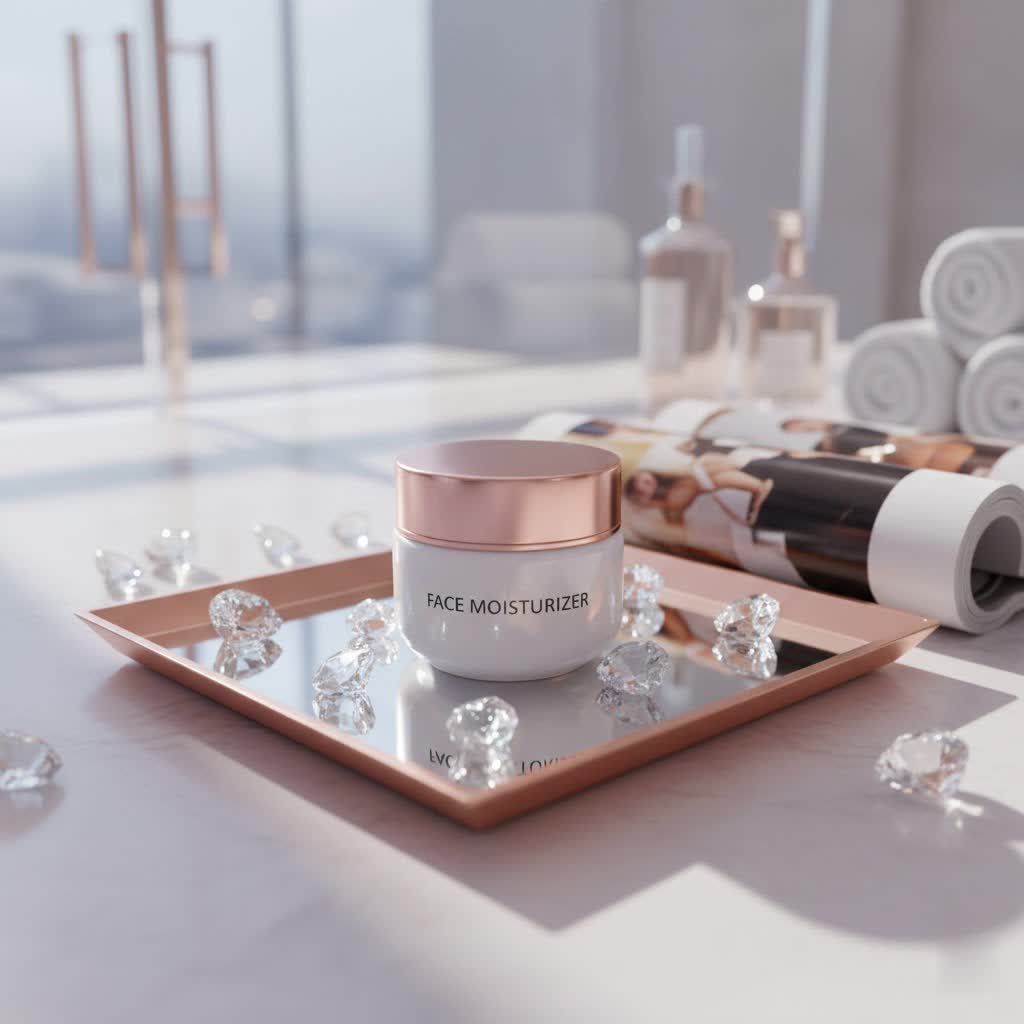
A face moisturizer is a skincare product designed to deliver and lock in moisture to the outermost layer of your skin. Beyond simply adding water, these formulations typically create a protective barrier that prevents transepidermal water loss (TEWL), ensuring your skin remains supple and hydrated throughout the day. This crucial step is not just for dry skin; every skin type benefits from proper moisturization.
The importance of daily hydration cannot be overstated. Moisturizers help maintain the skin’s natural barrier, shielding it from environmental aggressors like pollution and harsh weather, which can strip away moisture and lead to dryness, irritation, and premature aging. By strengthening this barrier, moisturizers enhance skin elasticity, reduce the appearance of fine lines, and promote an even, smooth texture. For those with sensitive skin or conditions like eczema, moisturizing can soothe irritation and aid in healing. Even oily or acne-prone skin needs hydration, as skipping this step can trigger the skin to overproduce oil to compensate, leading to more breakouts.
Key Ingredients in Hydrating Moisturizers
Understanding the ingredients in your hydrating face moisturizer is crucial for choosing an effective product. Most moisturizers combine several types of ingredients that work synergistically to attract, soften, and seal in moisture.
Humectants (Chất hút ẩm)
Humectants are superstar ingredients that draw water from the deeper layers of the skin and the environment into the epidermis. They are essential for immediate and ongoing hydration.
- Glycerin: A classic, highly effective humectant that attracts and retains water on the skin’s surface.
- Hyaluronic Acid (HA): A powerful hydrator capable of holding up to 1,000 times its weight in water, plumping the skin and reducing the appearance of fine lines.
- Honey: A natural humectant with soothing properties.
- Urea & Sodium PCA: Natural moisturizing factors (NMFs) that help bind water in the skin.
|
Our Picks for the Best Face Moisturizer in 2026
As an Amazon Associate I earn from qualifying purchases.
|
||
| Num | Product | Action |
|---|---|---|
| 1 | Neutrogena Fragrance Free Daily Facial Moisturizer, Face & Neck Moisturizer for Sensitive Skin with Vitamin B3, Pro-Vitamin B5 & Vitamin E Supports Skin's Dynamic Barrier, 3.4 fl. oz |

|
| 2 | Tallow Face Cream Daytime – Brighten & Hydrate Moisturizer with Vitamin C, Peptides & Goji Berry Oil – Nourishing Grass-Fed Tallow Face Cream for Radiant, Smooth Skin – 2oz (57g) |
|
| 3 | La Roche-Posay Toleriane Double Repair Face Moisturizer, Daily Moisturizer Face Cream with Ceramide & Niacinamide for All Skin Types, Immediate Comfort & Long Lasting Hydration, Fragrance Free |
|
| 4 | RoC Multi Correxion Even Tone + Lift 5-in-1 Daily Moisturizer, SPF 30, 1.7oz, Brightening, Firming, Hydrating, Paraben-free, Hypoallergenic |
|
| 5 | CeraVe Daily Moisturizing Lotion for Dry Skin, Body Lotion & Face Moisturizer with Hyaluronic Acid and Ceramides, Daily Moisturizer, Fragrance Free, Oil-Free, 12 Ounce |
|
| 6 | La Roche-Posay Toleriane Double Repair UV SPF Moisturizer for Face, Daily Facial Moisturizer with Sunscreen SPF 30, Niacinamide and Glycerin, Oil Free, Moisturizing Sun Protection |
|
| 7 | La Roche-Posay Lipikar AP+ Triple Repair Moisturizing Cream - Face & Body Lotion For Dry Skin - Shea Butter & Niacinamide Moisturizer - Gentle Face & Body Cream For Dry, Rough & Sensitive Skin |
|
| 8 | Dr.Althea 345 Relief Cream - Moisturizer for Soothing Recovery and Blemish Care with PDRN & Niacinamide - Korean Vegan Skin Care for All Skin Types, 1.69 Fl Oz (Ver.2 - Pack of 1) |
|
| 9 | L’Oreal Paris Collagen Daily Face Moisturizer, Anti Aging Face Cream to Reduce Wrinkles and Provide Intense Hydration, 1.7 oz |
|
| 10 | Vanicream Daily Facial Moisturizer With Ceramides and Hyaluronic Acid - Formulated Without Common Irritants for Those with Sensitive Skin, 3 fl oz (Pack of 1) |
|
Emollients (Chất làm mềm)
Emollients are lubricating agents that fill the gaps between skin cells, smoothing and softening rough patches while preventing water loss. They contribute to the skin’s smooth, supple texture.
- Ceramides: Lipid molecules that are natural components of the skin barrier. They help restore the skin’s protective function and prevent moisture loss.
- Plant Oils (e.g., Jojoba Oil, Sunflower Oil, Sweet Almond Oil): Rich in fatty acids, these oils deeply moisturize and help repair the skin barrier.
- Shea Butter & Cocoa Butter: Natural butters known for their rich, nourishing, and softening effects.
- Squalane: A lightweight, non-greasy emollient that mimics the skin’s natural sebum, helping to repair the barrier and hydrate without clogging pores.
Occlusives (Chất khóa ẩm)
Occlusives form a physical barrier on the skin’s surface to prevent moisture evaporation and protect against external irritants. They are particularly beneficial for very dry or compromised skin.
- Petrolatum (Petroleum Jelly): A highly effective occlusive that creates a protective film to significantly reduce water loss.
- Beeswax & Carnauba Wax: Natural waxes that offer occlusive properties.
- Silicones (e.g., Dimethicone): Form a smooth, breathable film on the skin, sealing in moisture without a heavy feel.
- Lanolin & Mineral Oil: Other common occlusive agents that provide a protective barrier.
Other Beneficial Ingredients
Beyond the core moisturizing components, many hydrating moisturizers include additional active ingredients that offer targeted benefits.
- Vitamins (e.g., Vitamin C, Vitamin E): Powerful antioxidants that protect the skin from environmental damage and support overall skin health. Vitamin C can also brighten the complexion, while Vitamin E is an emollient with antioxidant properties.
- Antioxidants (e.g., Green Tea Extract, Resveratrol): Help shield the skin from free radical damage and reduce inflammation.
- Peptides: Support collagen production, improving skin firmness and reducing signs of aging.
- Niacinamide (Vitamin B3): Strengthens the skin barrier, reduces redness and inflammation, and improves overall skin tone and elasticity.
- Aloe Vera: Offers soothing and hydrating benefits, often found in lighter formulations.
Choosing the Right Hydrating Moisturizer for Your Skin Type
Selecting the perfect hydrating face moisturizer hinges on understanding your specific skin type and its unique needs. A one-size-fits-all approach rarely yields the best results.
Dry Skin
If your skin often feels tight, flaky, rough, or shows signs of redness, you likely have dry skin. This skin type needs rich, deeply nourishing moisturizers to replenish lost oils and strengthen a compromised barrier.
- Look for: Rich creams or ointments with a higher oil content. Ingredients like ceramides, shea butter, hyaluronic acid, glycerin, and occlusive agents like petrolatum or lanolin are highly beneficial.
- Avoid: Lightweight gels or lotions that might not provide enough hydration.
Oily Skin
Oily skin tends to produce excess sebum, leading to shine, enlarged pores, and a propensity for acne. The goal is to hydrate without adding extra grease or clogging pores.
- Look for: Lightweight, oil-free (oil-free), non-comedogenic formulas. Gel-based or water-based moisturizers containing hyaluronic acid, glycerin, aloe vera, and squalane are excellent choices, as they absorb quickly without leaving a heavy residue. Niacinamide can also help regulate oil production.
- Avoid: Heavy creams or formulations with a high concentration of occlusives, which can feel greasy and exacerbate breakouts.
Combination Skin
Combination skin presents a unique challenge, featuring an oily T-zone (forehead, nose, chin) and dry or normal cheeks. A balanced approach is key.
- Look for: Gel-cream formulations or lightweight lotions that provide hydration without overwhelming oily areas. Products with a blend of humectants and light emollients work well. You might also consider “skin cycling” or using different moisturizers for different areas.
- Avoid: Excessively rich creams on oily areas or overly light gels on dry patches.
Sensitive Skin
Sensitive skin is prone to redness, irritation, itching, and reactions to certain ingredients. Gentleness and barrier repair are paramount.
- Look for: Hypoallergenic, fragrance-free, dye-free, and alcohol-free formulas with minimal additives. Soothing ingredients like chamomile, calendula, aloe vera, ceramides, and niacinamide are ideal.
- Avoid: Products with synthetic fragrances, essential oils, harsh chemicals, or common irritants. Always patch test new products.
Normal Skin
If your skin rarely experiences extreme oiliness or dryness, you have normal skin. The focus here is on maintaining its natural balance, hydration, and protection against environmental stressors.
- Look for: Versatile, light-to-medium weight lotions or creams that maintain existing moisture. Products with a good balance of humectants and emollients are suitable. You have more flexibility in choosing based on desired texture and additional benefits.
- Consider: Adding a moisturizer with SPF for daytime protection.
Comparison Table of Popular Hydrating Moisturizers
| Brand | Key Ingredients | Suitable Skin Type | Pros | Cons | Price Range (Approx.) |
|---|---|---|---|---|---|
| CeraVe | Ceramides, Hyaluronic Acid, Glycerin | All (especially Dry, Sensitive) | Affordable, dermatologist-recommended, barrier-repairing, fragrance-free | May feel too thick for some oily skin types | $ |
| Neutrogena Hydro Boost Water Gel | Hyaluronic Acid, Glycerin | Oily, Combination, Normal | Lightweight gel texture, instantly hydrating, non-comedogenic | May not be rich enough for very dry skin | $ |
| La Roche-Posay Toleriane Double Repair | Ceramides, Niacinamide, Glycerin, Prebiotic Thermal Water | Sensitive, Dry, Compromised | Soothing, barrier-repairing, fragrance-free, oil-free | Texture may be too thin for severely dry skin | $$ |
| Kiehl’s Ultra Facial Cream | Squalane, Glacial Glycoprotein | Dry, Normal, Mature | Deeply hydrating, non-greasy, long-lasting moisture | Higher price point | $$$ |
| Innisfree Green Tea Hyaluronic Acid | Green Tea Extract, Hyaluronic Acid | Oily, Combination, Acne-Prone | Lightweight, soothing, cooling sensation, helps breakouts | May not be hydrating enough for very dry skin | $$ |
| First Aid Beauty Ultra Repair Cream | Colloidal Oatmeal, Shea Butter | Dry, Sensitive, Eczema-Prone | Calms irritation, deeply moisturizing, rich texture | Can be heavy for oily skin | $$ |
Note: Price ranges are approximate ($ = budget-friendly, $$ = mid-range, $$$ = high-end) and can vary.
How to Choose the Perfect Hydrating Moisturizer (Buying Guide)
Navigating the vast array of hydrating face moisturizers requires a strategic approach. Consider these steps to find your ideal match:
Identify Your Skin Type
The most crucial first step is to accurately determine your skin type (dry, oily, combination, sensitive, normal). Observe how your skin behaves throughout the day without products: does it feel tight, look shiny, or react easily? This will guide your product selection.
Understand Ingredient Labels
Familiarize yourself with key moisturizing ingredients like humectants (hyaluronic acid, glycerin), emollients (ceramides, shea butter), and occlusives (petrolatum, silicones). Look for products free from potential irritants like fragrances and harsh alcohols, especially if you have sensitive skin. Non-comedogenic labels are important for acne-prone skin.
Research Reputable Brands
Opt for brands with a history of positive reviews and transparent ingredient lists. Dermatologist-recommended brands often prioritize effective, gentle formulations.
Read User Reviews
While individual results vary, user reviews can offer valuable insights into a product’s texture, scent, and overall performance for different skin types. Look for patterns in feedback to gauge general satisfaction.
Patch Testing
Before applying a new moisturizer to your entire face, perform a patch test on a small, inconspicuous area (like behind your ear or on your inner forearm) for a few days. This helps detect any potential allergic reactions or irritation.
Effective Application of Face Moisturizer
Applying your hydrating face moisturizer correctly maximizes its benefits and ensures optimal absorption.
Best Time to Apply
Apply moisturizer twice daily: once in the morning after cleansing and any serums, and again in the evening as the final step in your routine. Crucially, apply moisturizer to damp skin immediately after cleansing or showering to trap existing moisture effectively.
Step-by-Step Application
- Cleanse: Start with a clean face.
- Treat (Optional): Apply any serums or treatments (e.g., hyaluronic acid serum) to damp skin.
- Moisturize: Dispense the appropriate amount of moisturizer.
- Massage: Gently massage the product onto your face and neck using upward, circular motions until absorbed.
Correct Amount
More isn’t always better. For most face moisturizers, a pea-sized to nickel-sized amount is sufficient for the entire face and neck. Over-applying can overwhelm the skin, lead to clogged pores, and waste product.
Gentle Massage
Avoid harsh rubbing or tugging, especially on delicate areas like around the eyes. A gentle massage not only helps the product absorb but also promotes circulation and can provide a relaxing experience.
Common Mistakes in Face Moisturizer Application
Even with the right product, improper application can hinder its effectiveness and even lead to skin issues.
- Using unsuitable moisturizer for your skin type: Applying a heavy cream to oily skin can cause breakouts, while a lightweight gel might not provide enough hydration for dry skin. Always match the product to your skin’s needs.
- Skipping cleansing before moisturizing: Applying moisturizer to dirty skin can trap impurities and bacteria, leading to irritation or breakouts. Always start with a clean canvas.
- Using too much or too little cream: Overuse can lead to product pilling, clogged pores, or a greasy feel. Underuse might mean your skin isn’t receiving adequate hydration. Follow the recommended amount.
- Not applying to damp skin: Many hydrating ingredients, especially humectants like hyaluronic acid, work best when applied to slightly damp skin, as they draw water into the skin. Applying to dry skin can reduce their efficacy.
- Lack of consistency: Moisturizing is a daily habit. Skipping days or only applying occasionally diminishes the long-term benefits of maintaining a healthy skin barrier and consistent hydration.
- Forgetting your neck and chest: These areas are often exposed to environmental damage and can show signs of aging just as quickly as your face. Extend your moisturizing routine to include them.
- Rubbing too hard: Aggressive rubbing can irritate the skin, cause micro-tears, and contribute to premature aging. Always use a gentle touch.
- Skipping sunscreen: Even the best hydrating moisturizer won’t protect your skin from harmful UV rays. Always follow up with a broad-spectrum SPF during the day.
Conclusion
A well-chosen hydrating face moisturizer is a cornerstone of any effective skincare regimen, offering far more than just surface-level hydration. By understanding your skin type, recognizing key ingredients, and practicing proper application, you can protect your skin’s barrier, maintain its youthful elasticity, and achieve a radiant, healthy complexion. Consistent, mindful moisturization empowers your skin to thrive, making it an indispensable step in your daily beauty ritual. What small change will you make to your moisturizing routine today for a healthier tomorrow?
Frequently Asked Questions
How often should I use a hydrating face moisturizer?
For optimal results, you should apply a hydrating face moisturizer twice daily: once in the morning after cleansing and before sunscreen, and again in the evening as the last step in your skincare routine. Consistency is key for maintaining healthy, hydrated skin.
Can oily skin benefit from a hydrating moisturizer?
Absolutely. Even oily skin can be dehydrated, which might trigger it to produce more oil to compensate. A lightweight, oil-free, and non-comedogenic hydrating moisturizer can provide essential moisture without clogging pores or adding excess shine, helping to balance the skin.
What is the difference between a hydrating moisturizer and a regular moisturizer?
While all moisturizers aim to provide moisture, “hydrating moisturizer” often emphasizes ingredients that actively draw water into the skin, like hyaluronic acid and glycerin. Many moisturizers combine hydration with emollients and occlusives to soften and seal moisture, offering a comprehensive approach.
Are there any ingredients to avoid in hydrating moisturizers for sensitive skin?
Yes, for sensitive skin, it’s best to avoid ingredients like synthetic fragrances, harsh alcohols (denatured alcohol), certain essential oils, and artificial dyes, as these can trigger irritation, redness, or allergic reactions. Look for formulas labeled “fragrance-free” and “hypoallergenic.”
How long does it take to see results from a new hydrating moisturizer?
While some immediate effects like softened skin can be felt, visible improvements in skin hydration, texture, and barrier function typically take about 2-4 weeks with consistent daily use. Full benefits, such as reduced fine lines from improved plumpness, may take longer.
Should I use a different moisturizer in the summer and winter?
It’s often beneficial to adjust your moisturizer based on the season and climate. In colder, drier months, a richer cream with more occlusive ingredients can provide extra protection and prevent moisture loss. In warmer, more humid weather, a lighter gel or lotion might be preferred to avoid a heavy feeling.
