Navigating the world of skincare, especially when you have dry and sensitive skin, can feel like a constant challenge. The quest for a moisturizer that deeply hydrates without causing irritation, redness, or stinging is a journey many undertake. Understanding the unique needs of your delicate complexion is the first crucial step towards achieving a healthy, radiant glow.
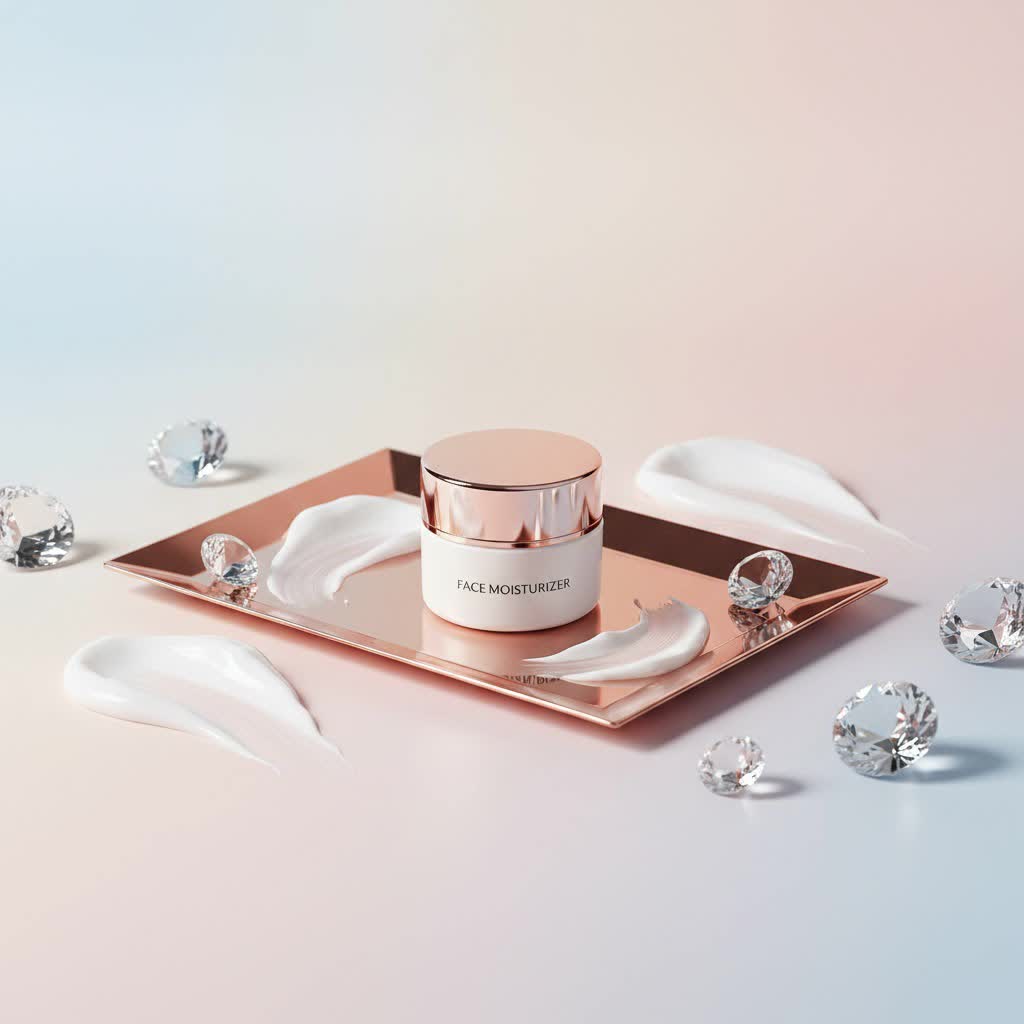
Dry, sensitive skin often means your skin’s natural barrier, the outermost layer responsible for retaining moisture and defending against irritants, is compromised. This can lead to increased water loss, allowing environmental aggressors and potential allergens to penetrate more easily, triggering inflammation and discomfort. Therefore, the right moisturizer isn’t just about hydration; it’s about reinforcing this vital skin barrier and soothing any reactivity.
What is Face Moisturizer and Why is it Essential?
A face moisturizer is a skincare product designed to hydrate the skin, prevent water loss, and support its protective barrier. For individuals with dry and sensitive skin, its role is particularly critical. Dry skin inherently lacks sufficient natural oils (sebum), making it prone to flaking, tightness, and a dull appearance. Sensitive skin, on the other hand, reacts intensely to various triggers due to heightened nerve endings or a weakened barrier, manifesting as redness, stinging, or burning sensations.
The importance of daily moisturizing for these skin types cannot be overstated. A well-formulated moisturizer locks in moisture, preventing transepidermal water loss (TEWL) and reinforcing the skin’s natural defenses. This helps to alleviate discomfort, reduce sensitivity, and maintain a healthy, supple complexion. Different skin types have varying moisturizing needs. While oily skin might prefer lighter formulations, dry and sensitive skin typically thrives on richer creams that offer substantial barrier support and soothing properties.
Key Ingredients in Effective Face Moisturizers
When selecting a face moisturizer for dry, sensitive skin, understanding the function of key ingredients is paramount. These ingredients work synergistically to attract and retain moisture, replenish vital skin lipids, and soothe irritation.
Humectants (Moisture Magnets)
Humectants are ingredients that draw water into the skin from the atmosphere and deeper layers, providing crucial hydration.
- Glycerin: A naturally occurring compound, glycerin is an excellent humectant that helps the skin retain water and supports barrier function without causing irritation.
- Hyaluronic Acid: This powerful humectant can attract and hold up to 1,000 times its weight in water, deeply hydrating the skin without clogging pores. It’s generally well-tolerated by sensitive skin.
- Honey: Beyond its humectant properties, honey also possesses soothing and antioxidant benefits.
|
Our Picks for the Best Face Moisturizer in 2026
As an Amazon Associate I earn from qualifying purchases.
|
||
| Num | Product | Action |
|---|---|---|
| 1 | Neutrogena Fragrance Free Daily Facial Moisturizer, Face & Neck Moisturizer for Sensitive Skin with Vitamin B3, Pro-Vitamin B5 & Vitamin E Supports Skin's Dynamic Barrier, 3.4 fl. oz |

|
| 2 | Dr.Althea 345 Relief Cream - Moisturizer for Soothing Recovery and Blemish Care with PDRN & Niacinamide - Korean Vegan Skin Care for All Skin Types, 1.69 Fl Oz (Ver.2 - Pack of 1) |
|
| 3 | La Roche-Posay Toleriane Double Repair UV SPF Moisturizer for Face, Daily Facial Moisturizer with Sunscreen SPF 30, Niacinamide and Glycerin, Oil Free, Moisturizing Sun Protection |
|
| 4 | CeraVe Daily Moisturizing Lotion for Dry Skin, Body Lotion & Face Moisturizer with Hyaluronic Acid and Ceramides, Daily Moisturizer, Fragrance Free, Oil-Free, 12 Ounce |
|
| 5 | L’Oreal Paris Collagen Daily Face Moisturizer, Anti Aging Face Cream to Reduce Wrinkles and Provide Intense Hydration, 1.7 oz |
|
| 6 | La Roche-Posay Toleriane Double Repair Face Moisturizer, Daily Moisturizer Face Cream with Ceramide & Niacinamide for All Skin Types, Immediate Comfort & Long Lasting Hydration, Fragrance Free |
|
| 7 | Vanicream Daily Facial Moisturizer With Ceramides and Hyaluronic Acid - Formulated Without Common Irritants for Those with Sensitive Skin, 3 fl oz (Pack of 1) |
|
| 8 | La Roche-Posay Lipikar AP+ Triple Repair Moisturizing Cream - Face & Body Lotion For Dry Skin - Shea Butter & Niacinamide Moisturizer - Gentle Face & Body Cream For Dry, Rough & Sensitive Skin |
|
| 9 | Tallow Face Cream Daytime – Brighten & Hydrate Moisturizer with Vitamin C, Peptides & Goji Berry Oil – Nourishing Grass-Fed Tallow Face Cream for Radiant, Smooth Skin – 2oz (57g) |
|
| 10 | RoC Multi Correxion Even Tone + Lift 5-in-1 Daily Moisturizer, SPF 30, 1.7oz, Brightening, Firming, Hydrating, Paraben-free, Hypoallergenic |
|
Emollients (Skin Smoothers)
Emollients are substances that fill in the gaps between skin cells, smoothing and softening the skin’s surface and reducing roughness. They act like a “glue” for skin cells.
- Ceramides: These are naturally occurring lipids that constitute over 50% of the skin barrier. Replenishing ceramides helps restore the skin’s resilience, lock in moisture, and shield against environmental aggressors.
- Plant Oils (e.g., Sweet Almond Oil, Jojoba Oil): Rich in fatty acids, these oils provide deep nourishment and help to soften and smooth dry, irritated skin. Sweet almond oil, for instance, has emollient properties that comfort dry, sensitive skin.
- Shea Butter: A rich emollient that provides intense hydration and helps to create a protective layer on the skin, preventing moisture loss.
Occlusives (Moisture Lockers)
Occlusives form a protective layer on the skin’s surface, acting as a physical barrier to prevent water from evaporating, thereby locking in moisture. These are particularly beneficial for very dry or compromised skin.
- Petrolatum (Petroleum Jelly): Highly occlusive, petrolatum is very effective at sealing in moisture and reducing transeepidermal water loss.
- Squalane: A lightweight, non-comedogenic oil derived from plant sources (like olives or sugarcane) that mimics the skin’s natural sebum. It provides deep nourishment without greasiness and also acts as an emollient.
- Dimethicone: A silicone-based occlusive that forms a breathable barrier on the skin, helping to prevent moisture loss.
- Beeswax: A natural occlusive that helps to create a protective barrier on the skin.
Other Beneficial Ingredients
- Niacinamide (Vitamin B3): This versatile ingredient reduces redness, calms inflammation, and strengthens the skin’s natural defenses, making it ideal for reactive skin types.
- Panthenol (Vitamin B5): Known for its hydrating and soothing properties, panthenol helps to improve skin barrier function and reduce irritation.
- Oat Extract (Colloidal Oatmeal): FDA-approved as a skin protectant, colloidal oatmeal soothes itching and irritation while reinforcing the moisture barrier.
- Antioxidants (e.g., Vitamin E): Help protect the skin from surface free radical damage.
Classifying Face Moisturizers by Skin Type
Choosing the correct moisturizer texture and formulation is vital for optimal results, especially for dry and sensitive skin.
Dry Skin
For dry skin, opt for rich creams or ointments with a higher oil content. These formulations provide enhanced hydrating benefits and are ideal for normal to very dry skin. Look for ingredients like ceramides, shea butter, squalane, and petrolatum to lock in moisture and deeply nourish the skin.
Oily Skin
While not the primary focus, it’s worth noting that oily skin types typically benefit from lighter gels or oil-free lotions. These products hydrate without clogging pores or adding excessive shine.
Combination Skin
If you have combination skin, which often means dry areas and an oily T-zone, you might need a balanced approach. Consider a balanced cream or lotion that hydrates dry patches while being non-comedogenic for oilier areas. Some dermatologists even suggest treating combination skin as two different zones, applying moisturizer only to the dry areas.
Sensitive Skin
For sensitive skin, the golden rule is fragrance-free, dye-free, and hypoallergenic formulations. Look for products developed with dermatologists, often labeled “non-comedogenic.” Ingredients like ceramides, hyaluronic acid, glycerin, niacinamide, and colloidal oatmeal are excellent choices for soothing and repairing a compromised barrier. Avoid common irritants such as synthetic fragrances, essential oils, denatured alcohol, and harsh exfoliants.
Normal Skin
Individuals with normal skin experiencing seasonal dryness can often use a lotion. However, with age, skin holds less moisture, and a cream-based moisturizer may become more beneficial, especially for those 50 and older.
Comparison of Popular Moisturizer Types
The texture of your moisturizer significantly influences its efficacy, particularly for dry and sensitive skin.
| Type | Best For | Key Characteristics |
|---|---|---|
| Lotion | Mild dryness, warmer climates | Lightweight, fast-absorbing, water-based; may not provide sufficient barrier support for very dry skin. |
| Gel | Dehydrated but oily/combination sensitive skin | Water-rich, non-greasy; often contains hyaluronic acid but may lack occlusives for severe dryness. |
| Cream | Moderate to severe dryness, sensitive skin | Balanced blend of water and oils; ideal for daily use with ceramides and soothing agents. Often dermatologist-recommended. |
| Ointment | Extremely dry, cracked, compromised skin | Petrolatum-based, highly occlusive; best used at night or on localized areas for intensive repair. |
For most individuals with dry and sensitive facial skin, a fragrance-free cream formulated with ceramides and glycerin provides the optimal balance of hydration, protection, and tolerability.
Your Guide to Choosing the Perfect Face Moisturizer
Selecting the right moisturizer for your dry, sensitive skin requires a methodical approach, focusing on ingredients, product claims, and personal tolerance.
1. Identify Your Skin’s Specific Needs
Before looking at products, take a moment to understand your skin. Are you experiencing tightness, flaking, redness, or stinging? What are your triggers (e.g., cold weather, specific ingredients)? This self-assessment helps determine if you primarily need barrier repair, anti-inflammatory support, or intense hydration. Dry skin lacks oil, while dehydrated skin lacks water. Many with sensitive skin have both.
2. Scrutinize the Ingredient List
Prioritize moisturizers with shorter ingredient lists and recognizable, science-backed components.
- Look for: Humectants (hyaluronic acid, glycerin), emollients (ceramides, shea butter, squalane), and occlusives (petrolatum, dimethicone).
- Actives to consider: Niacinamide, panthenol, colloidal oatmeal for added soothing and barrier support.
- Absolutely avoid: Synthetic fragrances, essential oils, denatured alcohol (alcohol denat.), sulfates, and harsh exfoliants (e.g., high-concentration AHAs/BHAs). Even “natural” ingredients like tea tree oil or citrus extracts can be highly irritating for sensitive skin.
3. Research Reputable Brands and User Reviews
Choose brands that are known for developing products for sensitive skin and have a good reputation. Dermatologist-recommended brands like Cetaphil, CeraVe, La Roche-Posay Toleriane, and Vanicream are often highlighted for their minimalistic, effective formulations. While reviews can be helpful, remember that individual experiences vary.
4. Understand Product Claims and Certifications
Look for labels such as “hypoallergenic,” “non-comedogenic” (meaning it won’t clog pores), and “dermatologist-tested.” Some products may also carry seals from organizations like the National Eczema Association, indicating they are gentle enough for eczema-prone skin.
5. Consider Texture and Environmental Factors
Your ideal moisturizer texture can change with the seasons and your environment. A lighter gel-cream might be suitable in humid summer months, while a richer cream or balm is often necessary during dry, cold winters. In general, creams are recommended for dry skin, and lotions or gels for normal to oily skin.
6. Always Perform a Patch Test
Before applying a new product to your entire face, conduct a patch test. Apply a small, pea-sized amount to an inconspicuous area, like your inner forearm or behind your ear, for 2-3 days. If no redness, itching, or swelling occurs, it’s likely safe for full-face use.
How to Use Face Moisturizer Effectively
Applying your face moisturizer correctly is just as important as choosing the right one.
Timing is Key
Moisturize at least twice daily: once in the morning and once in the evening. The most effective time to apply moisturizer is right after cleansing or bathing, while your skin is still damp. This helps to “trap” the water in your skin and enhances the moisturizer’s effectiveness.
The Right Order
After cleansing and applying any serums, gently apply your moisturizer. In the morning, follow with a broad-spectrum sunscreen with an SPF of 30 or higher, as sun protection is crucial for all skin types, especially sensitive skin.
Appropriate Amount
You don’t need a large amount of product. A pea-sized amount is often sufficient for the entire face. Warm the product between your fingertips before gently pressing and massaging it into your skin using upward and outward motions. Avoid rubbing too vigorously, especially on sensitive areas.
Gentle Massage
Massage the moisturizer into your skin in gentle, circular motions. This helps with absorption and can also promote circulation. Ensure full coverage, including your neck, which is often an overlooked area.
Common Mistakes When Moisturizing Dry, Sensitive Skin
Even with the best intentions, certain habits can inadvertently worsen dry and sensitive skin.
- Using the wrong moisturizer for your skin type: This is the most common mistake. Using a water-based lotion when your dry skin needs a rich cream, or a heavily fragranced product on sensitive skin, can lead to irritation and inadequate hydration.
- Ignoring the ingredient list: Not paying attention to what’s in your moisturizer can expose your sensitive skin to irritants like alcohol, fragrances, and certain plant extracts, even if they’re “natural”.
- Assuming “natural” always means safe: Many natural ingredients, such as essential oils (e.g., lavender, eucalyptus, citrus oils), are potent allergens and can be highly irritating for sensitive skin. Remember the dermatologist’s joke: “poison ivy is all natural”.
- Applying moisturizer to completely dry skin: Moisturizer is most effective when applied to damp skin, as it helps to trap existing water and prevent its evaporation.
- Overloading with too many active ingredients: Using multiple products with strong active ingredients (like high concentrations of vitamin C, retinol, or AHAs) alongside your moisturizer can overwhelm sensitive skin and lead to increased irritation. Simplify your routine when your skin is reactive.
- Not adjusting your moisturizer seasonally: Skin needs change with the weather. Heavier creams are typically needed in dry, cold winters, while lighter textures might be preferred in humid summers.
- Ignoring pH balance: Healthy skin has a slightly acidic pH (around 5.5). Using alkaline cleansers or moisturizers can disrupt this balance, worsening dryness and sensitivity.
- Skipping cleansing before moisturizing: Applying moisturizer over impurities or makeup can prevent effective absorption and may contribute to skin issues.
“Choosing a moisturizer for dry and sensitive skin isn’t about luxury—it’s about function. Look for products that reinforce the skin barrier, avoid known irritants like fragrance and alcohol, and contain proven humectants and emollients.” – Christina Korouchtsidi, Skincare Specialist
Conclusion
Finding the ideal face moisturizer for dry, sensitive skin involves a thoughtful combination of understanding your skin’s unique needs, carefully examining ingredient lists, and adopting a consistent, gentle skincare routine. By prioritizing barrier-supporting ingredients like ceramides, hyaluronic acid, and glycerin, while consciously avoiding common irritants such as fragrances and drying alcohols, you can empower your skin to heal and thrive.
Remember that consistency and gentleness are key for long-term skin health. Listen to your skin, adapt your routine as needed, and don’t hesitate to consult a dermatologist if persistent irritation occurs. With the right approach, you can soothe dryness, minimize sensitivity, and unveil a complexion that feels healthy, comfortable, and radiant.
What steps will you take today to optimize your moisturizing routine for healthier, happier skin?
Frequently Asked Questions
What is the best moisturizer for extremely dry and sensitive skin?
The best moisturizers for extremely dry and sensitive skin typically combine ceramides, hyaluronic acid, and gentle occlusives like squalane or shea butter, while being free from fragrance and alcohol. Dermatologist-recommended options often include rich creams from brands like CeraVe, Vanicream, and La Roche-Posay Lipikar Balm AP+.
Can I use hyaluronic acid if I have sensitive skin?
Yes, hyaluronic acid is generally well-tolerated by sensitive skin because it is a naturally occurring molecule in the body and is non-irritating. However, it’s best when paired with soothing ingredients and applied to damp skin, especially in low-humidity environments, to prevent potential dryness.
How often should I moisturize dry and sensitive skin?
You should moisturize at least twice daily—in the morning and at night. It is most effective to reapply moisturizer within minutes of washing your face or bathing, while your skin is still damp, to lock in moisture. Additional applications may be necessary in harsh climates or during flare-ups.
Are expensive moisturizers better for sensitive skin?
Not necessarily. Many affordable drugstore brands, such as Cetaphil, Aveeno, and Eucerin, undergo rigorous dermatological testing and often contain fewer irritants like botanical extracts or fragrances compared to some high-end products. Effectiveness for sensitive skin relies more on formulation and ingredients than price.
What should I do if my moisturizer causes burning or redness?
If your moisturizer causes burning or redness, discontinue use immediately. Rinse your skin with cool water and consider applying a bland barrier ointment, such as pure petroleum jelly, to soothe the area. If symptoms persist beyond 24 hours or worsen, it is advisable to consult a dermatologist to rule out allergic contact dermatitis or other reactions.
