In the quest for healthy, glowing skin, a face moisturizer stands as a non-negotiable step in any skincare routine. But for many, especially those with reactive or delicate complexions, the term “gentle” becomes paramount. A gentle face moisturizer is more than just a cream; it’s a carefully crafted shield designed to hydrate, nourish, and protect your skin without causing irritation. With countless products promising miraculous results, navigating the options can be overwhelming. This comprehensive guide, informed by over a decade of experience in skincare, will equip you with the knowledge to choose and use the perfect gentle face moisturizer, ensuring your skin remains balanced, comfortable, and beautifully radiant.
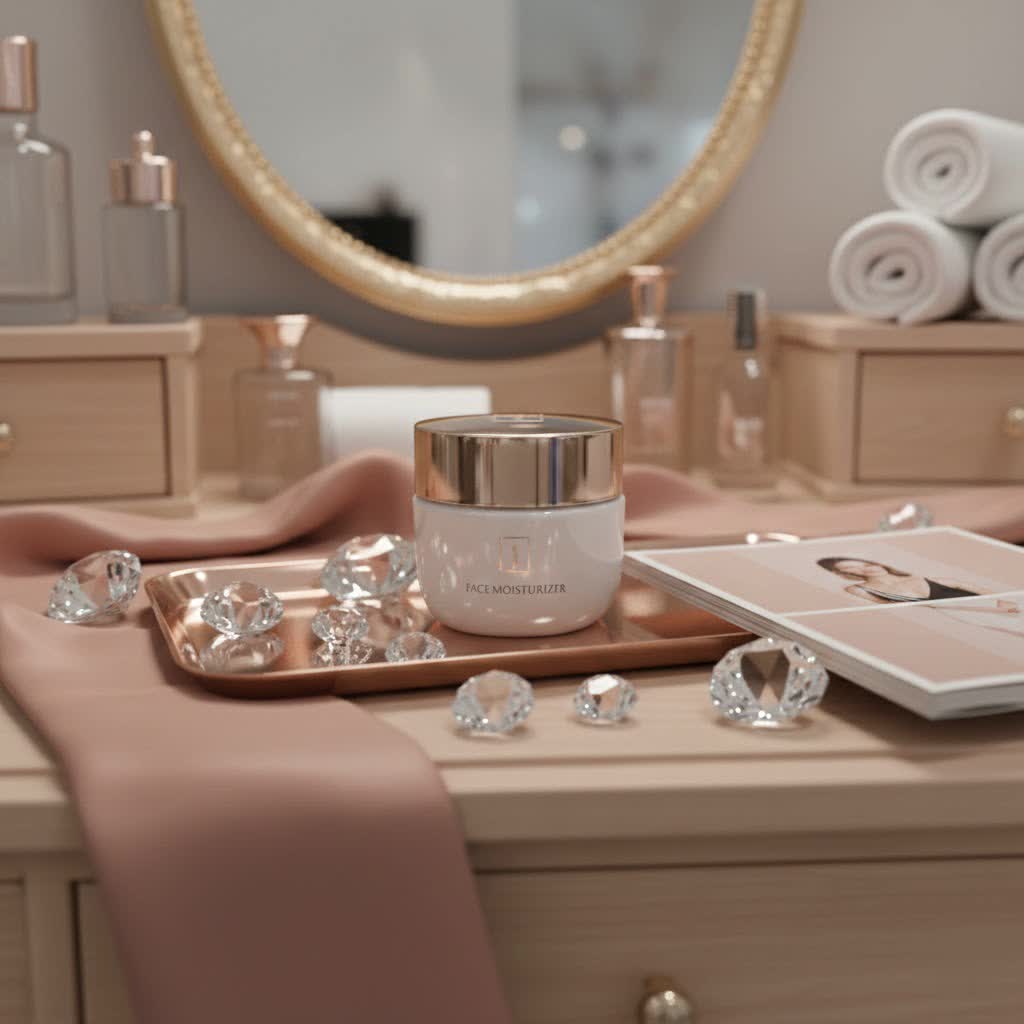
What is a Face Moisturizer and Why is it Essential?
At its core, a face moisturizer is a skincare product formulated to deliver and lock in moisture to the outermost layer of your skin, the stratum corneum. This crucial barrier acts as your skin’s first line of defense against environmental aggressors, pollution, and moisture loss. Regular moisturizing is essential for maintaining the integrity of this barrier, preventing dryness, flakiness, and discomfort. For sensitive skin types, which often have a compromised barrier, a gentle face moisturizer is even more critical. It helps to soothe existing irritation, reduce redness, and build resilience against future reactions, fostering a calm and healthy complexion. Different skin types—dry, oily, combination, sensitive, and normal—each have unique moisturizing needs, making tailored product selection vital for optimal skin health.
Key Ingredients in Gentle Face Moisturizers
Understanding the ingredients in your moisturizer is key to choosing a gentle yet effective formula. Gentle face moisturizers typically feature a blend of ingredients working synergistically to hydrate, soften, and protect the skin without triggering sensitivity. These can be broadly categorized into humectants, emollients, and occlusives, often complemented by soothing and supportive compounds.
Humectants (Moisture Attractors)
Humectants are hydrophilic ingredients that draw water from the environment or deeper layers of the skin into the epidermis, increasing the skin’s water content. This action helps to plump the skin and improve its elasticity.
- Glycerin: A widely used, effective, and well-tolerated humectant that pulls moisture into the skin, promoting a healthy skin barrier.
- Hyaluronic Acid (Sodium Hyaluronate): Known for its incredible capacity to hold up to 1,000 times its weight in water, it provides intense hydration and plumps the skin.
- Panthenol (Vitamin B5): Boosts water levels in the skin while also offering calming and redness-reducing benefits, making it excellent for sensitive skin.
|
Our Picks for the Best Face Moisturizer in 2026
As an Amazon Associate I earn from qualifying purchases.
|
||
| Num | Product | Action |
|---|---|---|
| 1 | RoC Multi Correxion Even Tone + Lift 5-in-1 Daily Moisturizer, SPF 30, 1.7oz, Brightening, Firming, Hydrating, Paraben-free, Hypoallergenic |

|
| 2 | Dr.Althea 345 Relief Cream - Moisturizer for Soothing Recovery and Blemish Care with PDRN & Niacinamide - Korean Vegan Skin Care for All Skin Types, 1.69 Fl Oz (Ver.2 - Pack of 1) |
|
| 3 | CeraVe Daily Moisturizing Lotion for Dry Skin, Body Lotion & Face Moisturizer with Hyaluronic Acid and Ceramides, Daily Moisturizer, Fragrance Free, Oil-Free, 12 Ounce |
|
| 4 | Tallow Face Cream Daytime – Brighten & Hydrate Moisturizer with Vitamin C, Peptides & Goji Berry Oil – Nourishing Grass-Fed Tallow Face Cream for Radiant, Smooth Skin – 2oz (57g) |
|
| 5 | Neutrogena Fragrance Free Daily Facial Moisturizer, Face & Neck Moisturizer for Sensitive Skin with Vitamin B3, Pro-Vitamin B5 & Vitamin E Supports Skin's Dynamic Barrier, 3.4 fl. oz |
|
| 6 | Vanicream Daily Facial Moisturizer With Ceramides and Hyaluronic Acid - Formulated Without Common Irritants for Those with Sensitive Skin, 3 fl oz (Pack of 1) |
|
| 7 | L’Oreal Paris Collagen Daily Face Moisturizer, Anti Aging Face Cream to Reduce Wrinkles and Provide Intense Hydration, 1.7 oz |
|
| 8 | La Roche-Posay Lipikar AP+ Triple Repair Moisturizing Cream - Face & Body Lotion For Dry Skin - Shea Butter & Niacinamide Moisturizer - Gentle Face & Body Cream For Dry, Rough & Sensitive Skin |
|
| 9 | La Roche-Posay Toleriane Double Repair UV SPF Moisturizer for Face, Daily Facial Moisturizer with Sunscreen SPF 30, Niacinamide and Glycerin, Oil Free, Moisturizing Sun Protection |
|
| 10 | La Roche-Posay Toleriane Double Repair Face Moisturizer, Daily Moisturizer Face Cream with Ceramide & Niacinamide for All Skin Types, Immediate Comfort & Long Lasting Hydration, Fragrance Free |
|
Emollients (Skin Softeners)
Emollients are lubricating ingredients that fill in the gaps between skin cells, smoothing the skin’s surface and making it feel softer and more supple. They also help prevent water loss.
- Ceramides: These are natural lipids found in the skin barrier, acting like cement between skin cells. Supplementing with ceramides helps restore the skin’s protective barrier and prevent moisture loss.
- Squalane: A highly stable emollient that mimics the skin’s natural oils, providing effective hydration and a soft finish without feeling heavy.
- Shea Butter: A rich plant lipid packed with fatty acids, it intensely nourishes, smooths, and prevents dehydration, particularly beneficial for dry skin.
- Plant Oils (e.g., Jojoba, Argan, Sunflower): These oils provide essential fatty acids, nourish the skin, and act as emollients to soften and restore.
Occlusives (Moisture Sealers)
Occlusives form a physical barrier on the skin’s surface to reduce transepidermal water loss (TEWL), effectively sealing in moisture and protecting the skin from external irritants.
- Petrolatum (Vaseline): One of the most effective occlusives, creating a protective film that significantly reduces water evaporation.
- Dimethicone (Silicone): A lightweight occlusive that provides a smooth feel and forms a breathable barrier to prevent moisture loss.
- Beeswax: A natural wax that forms a protective layer on the skin, helping to seal in hydration.
Soothing and Supporting Ingredients
Beyond the core hydrating components, gentle moisturizers often include ingredients specifically chosen to calm irritation and enhance overall skin health.
- Niacinamide (Vitamin B3): Helps to strengthen the skin barrier, reduce redness, soothe inflammation, and improve skin tone.
- Colloidal Oatmeal: Known for its anti-inflammatory and soothing properties, it’s excellent for calming irritated or itchy skin.
- Centella Asiatica (Cica): A botanical extract that aids in skin repair, reduces inflammation, and soothes sensitivity.
- Aloe Vera: Provides lightweight hydration and powerful soothing benefits, making it ideal for reactive skin.
- Peptides: Amino acid chains that can help support collagen production and improve skin resilience.
- Antioxidants (e.g., Vitamin C, Vitamin E, Green Tea Extract): Protect the skin from environmental damage and free radicals, supporting overall skin health.
Ingredients to Avoid for Sensitive Skin
For those with sensitive skin, knowing what to avoid is as important as knowing what to seek out. Common irritants include:
- Fragrances (Synthetic and Natural): Often a leading cause of allergic reactions and irritation. Look for “fragrance-free” rather than just “unscented” (which might contain masking fragrances).
- Dyes/Colorants: Can provoke irritation and allergic responses.
- Drying Alcohols (e.g., Ethanol, Isopropyl Alcohol): Can strip the skin’s natural oils, leading to dryness and irritation.
- Harsh Preservatives: Some preservatives, while necessary, can be irritating in higher concentrations.
- Certain Strong Actives (e.g., high concentrations of AHAs/BHAs, Retinoids): While beneficial for some, these can be too potent for highly sensitive or reactive skin. Introduce them cautiously or opt for lower concentrations in gentle formulations.
Choosing the Right Gentle Face Moisturizer for Your Skin Type
Selecting a moisturizer that aligns with your specific skin type is fundamental to achieving optimal results and avoiding potential issues. Even within the category of “gentle,” formulations vary significantly to cater to diverse needs.
Dry Skin
Dry skin often lacks natural oils and struggles to retain moisture, leading to tightness, flakiness, and a dull appearance.
- Recommendation: Opt for rich, creamy textures that contain a higher oil content. Look for moisturizers packed with nourishing emollients like ceramides, shea butter, squalane, and potent humectants like hyaluronic acid and glycerin. These ingredients help replenish lost lipids, strengthen the barrier, and provide lasting hydration.
Oily Skin
Oily skin produces excess sebum, often leading to a greasy shine, enlarged pores, and a propensity for breakouts. Many with oily skin mistakenly believe they don’t need moisturizer, but skipping it can exacerbate oil production.
- Recommendation: Choose lightweight, oil-free formulas such as gels or lotions. These should be non-comedogenic (meaning they won’t clog pores) and preferably water-based. Ingredients like hyaluronic acid, glycerin, and niacinamide provide hydration and balance oil production without adding heaviness or shine. Mattifying options can also be beneficial.
Combination Skin
Combination skin presents a challenge, with some areas being oily (often the T-zone) and others being dry or normal (cheeks).
- Recommendation: A balancing moisturizer is ideal. Gel-cream textures are often a good compromise, providing adequate hydration to dry areas without overburdening oily zones. Look for formulas with a mix of humectants and light emollients that can adapt to different areas of your face.
Sensitive Skin
Sensitive skin is prone to redness, itching, stinging, and irritation from environmental factors or certain ingredients.
- Recommendation: The most crucial criteria are fragrance-free, dye-free, alcohol-free, and hypoallergenic. Prioritize formulas rich in ceramides, colloidal oatmeal, centella asiatica, niacinamide, and aloe vera to soothe, strengthen the skin barrier, and reduce reactivity. Perform a patch test before full application.
Normal Skin
Normal skin is well-balanced, neither too oily nor too dry, and generally not prone to sensitivity.
- Recommendation: You have the most flexibility. The goal is to maintain natural hydration and barrier health. A versatile, lightweight lotion or gel-cream with a good balance of humectants and emollients (like hyaluronic acid, glycerin, and squalane) is usually sufficient to keep the skin healthy and radiant.
How to Select the Perfect Gentle Face Moisturizer (Buying Guide)
Navigating the vast landscape of skincare products requires a strategic approach, especially when seeking a gentle face moisturizer. Follow these steps to make an informed choice that truly benefits your skin.
1. Identify Your Skin Type
Before even looking at products, take time to understand your skin.
- Dry: Feels tight, flaky, often dull.
- Oily: Shiny, large pores, prone to breakouts.
- Combination: Oily T-zone, normal/dry cheeks.
- Sensitive: Prone to redness, itching, stinging, reacts easily.
- Normal: Balanced, few concerns.
This self-assessment is the first and most critical step in narrowing down your options.
2. Read Ingredient Labels Carefully
Become an ingredient detective.
- Look for: Glycerin, hyaluronic acid, ceramides, squalane, shea butter, niacinamide, colloidal oatmeal, centella asiatica.
- Avoid (especially for sensitive skin): Fragrance/parfum, synthetic dyes, alcohol denat., isopropyl alcohol. Pay attention to the order of ingredients; those listed first are present in higher concentrations.
3. Look for Key Certifications and Labels
Certain labels indicate a product’s suitability for delicate skin.
- “Dermatologist-Tested”: Indicates the product has been reviewed by dermatologists.
- “Non-Comedogenic”: Formulated not to clog pores, crucial for oily or acne-prone skin.
- “Fragrance-Free”: No added fragrances, which are common irritants.
- “Hypoallergenic”: Designed to minimize allergic reactions, though it doesn’t guarantee zero reactions.
- “Allergy-Tested”: Similar to hypoallergenic, aims to reduce allergic potential.
4. Consider Texture and Consistency
The feel of the moisturizer plays a big role in user satisfaction and effectiveness.
- Creams: Thicker, richer, best for dry or very dry skin.
- Lotions: Lighter than creams, suitable for normal to combination skin.
- Gels/Gel-Creams: Lightweight, often water-based, ideal for oily or sensitive skin that prefers a non-greasy feel.
Choose a texture that feels comfortable on your skin and suits your climate.
5. Patch Testing is Crucial
Before applying a new product to your entire face, always perform a patch test.
- Apply a small amount to an inconspicuous area (e.g., behind the ear or on the inner forearm) for a few days.
- Monitor for any signs of redness, itching, stinging, or irritation. This step can save you from a full-face reaction.
6. Seasonal and Climate Considerations
Your skin’s needs can change with the seasons and environment.
- Winter/Dry Climates: You might need a richer, more occlusive moisturizer to combat dry air.
- Summer/Humid Climates: Lighter gels or lotions may be more comfortable to prevent a heavy or greasy feeling.
7. SPF for Daytime Protection
For your morning routine, consider a gentle face moisturizer with built-in broad-spectrum SPF 30 or higher. This streamlines your routine and ensures consistent sun protection, which is vital for preventing premature aging and skin damage. If your preferred gentle moisturizer doesn’t have SPF, apply a separate gentle sunscreen afterward.
How to Effectively Use Your Gentle Face Moisturizer
Even the best gentle face moisturizer won’t deliver its full potential if not used correctly. Proper application enhances absorption and maximizes benefits.
1. Timing is Key
Apply moisturizer twice daily, in the morning and evening, as the final step in your skincare routine before sunscreen (in the morning).
- Morning: Hydrates, protects from environmental stressors, and creates a smooth canvas for makeup.
- Evening: Supports skin repair and regeneration overnight, locking in moisture during sleep.
2. Apply to Clean, Damp Skin
For optimal absorption, apply your gentle face moisturizer to skin that is clean and slightly damp. This means after cleansing, toning, and applying any serums. The dampness helps humectants like hyaluronic acid draw water into the skin more effectively.
3. Use the Appropriate Amount
A common mistake is using too much or too little.
- Too much: Can leave a greasy residue, potentially clog pores, and waste product.
- Too little: Won’t provide adequate hydration or barrier support.
A pea-sized amount for your entire face is often sufficient, but adjust based on your moisturizer’s consistency and your skin’s needs.
4. Gentle Application and Massage
Dispense the product onto your fingertips and gently dot it across your face. Then, using light, upward, and outward strokes, massage the moisturizer into your skin. Avoid harsh rubbing or pulling, especially around the delicate eye area. Gentle massage improves circulation and helps the product penetrate more effectively. Don’t forget to extend the application to your neck and décolletage.
Common Mistakes When Using Face Moisturizers
Even with the right product, certain habits can undermine your moisturizing efforts. Being aware of these common pitfalls can significantly improve your skin health.
- Using a Moisturizer Unsuited for Your Skin Type: Applying a heavy cream to oily skin can lead to breakouts, while a lightweight gel won’t provide enough hydration for dry skin. Always match the formula to your specific needs.
- Skipping Cleansing Before Moisturizing: Applying moisturizer to uncleaned skin traps dirt, oil, and impurities, potentially leading to clogged pores and breakouts, and hindering product absorption. Always start with a clean canvas.
- Inconsistent Application: Moisturizing is not a one-time fix. Skipping days, especially for sensitive or dry skin, can disrupt the skin barrier and lead to recurring issues. Consistency is crucial for long-term benefits.
- Applying to Bone Dry Skin: While still better than not moisturizing, applying to damp skin significantly enhances the absorption and efficacy of many hydrating ingredients, particularly humectants.
- Ignoring Patch Testing: Introducing a new product without a patch test, particularly for sensitive individuals, is a gamble that can result in widespread irritation or allergic reactions.
- Using Too Much or Too Little Product: As mentioned, an incorrect amount can either suffocate your skin or leave it under-hydrated. Find the right balance for your product and skin.
Conclusion
Choosing and using a gentle face moisturizer is a foundational step towards achieving and maintaining calm, radiant, and healthy skin. By understanding your skin type, carefully selecting ingredients, and adopting proper application techniques, you can empower your skin to thrive. A gentle moisturizer not only quenches your skin’s thirst but also fortifies its natural defenses, allowing it to withstand daily challenges with grace. Embrace the journey of discovery to find your perfect match, and witness the transformative power of consistent, gentle care. What subtle signs does your skin give you when it’s truly happy and hydrated?
Frequently Asked Questions
Is a gentle moisturizer only for sensitive skin?
No, while gentle moisturizers are essential for sensitive skin, they are beneficial for all skin types. Their formulations prioritize non-irritating ingredients, making them a safe and effective choice for anyone seeking to maintain a healthy skin barrier and prevent potential irritation.
Can oily skin use a gentle moisturizer?
Absolutely. Oily skin still requires hydration, and skipping moisturizer can sometimes trigger increased oil production. A lightweight, oil-free, non-comedogenic gentle gel or lotion can provide necessary hydration without clogging pores or adding excess shine.
How often should I use a gentle face moisturizer?
It is generally recommended to use a gentle face moisturizer twice daily: once in the morning after cleansing and serums, and again in the evening as the final step in your nighttime routine. Consistency helps maintain skin hydration and barrier function around the clock.
What’s the difference between “fragrance-free” and “unscented”?
“Fragrance-free” means the product contains no added fragrance ingredients, including those derived from natural sources. “Unscented” means the product has no noticeable smell, but it may still contain chemicals to neutralize other odors, which could potentially irritate sensitive skin. For truly sensitive skin, “fragrance-free” is the safer choice.
When should I apply moisturizer in my skincare routine?
Moisturizer should be applied after cleansing, toning, and any serums. It creates a protective layer that locks in the benefits of previous steps. In the morning, it’s applied before sunscreen, and in the evening, it’s the final step before bed.
