Navigating the world of skincare when you have an oily complexion can feel like a constant battle against shine, breakouts, and clogged pores. It’s a common misconception that oily skin doesn’t need moisturizer, or that adding more hydration will only exacerbate oiliness. However, the truth is, denying oily skin proper hydration can actually trigger it to produce even more sebum in an attempt to compensate. This comprehensive guide will demystify face moisturizers for oily skin, helping you understand why they’re essential, what ingredients to look for, and how to choose the perfect product to achieve a balanced, healthy, and radiant complexion.
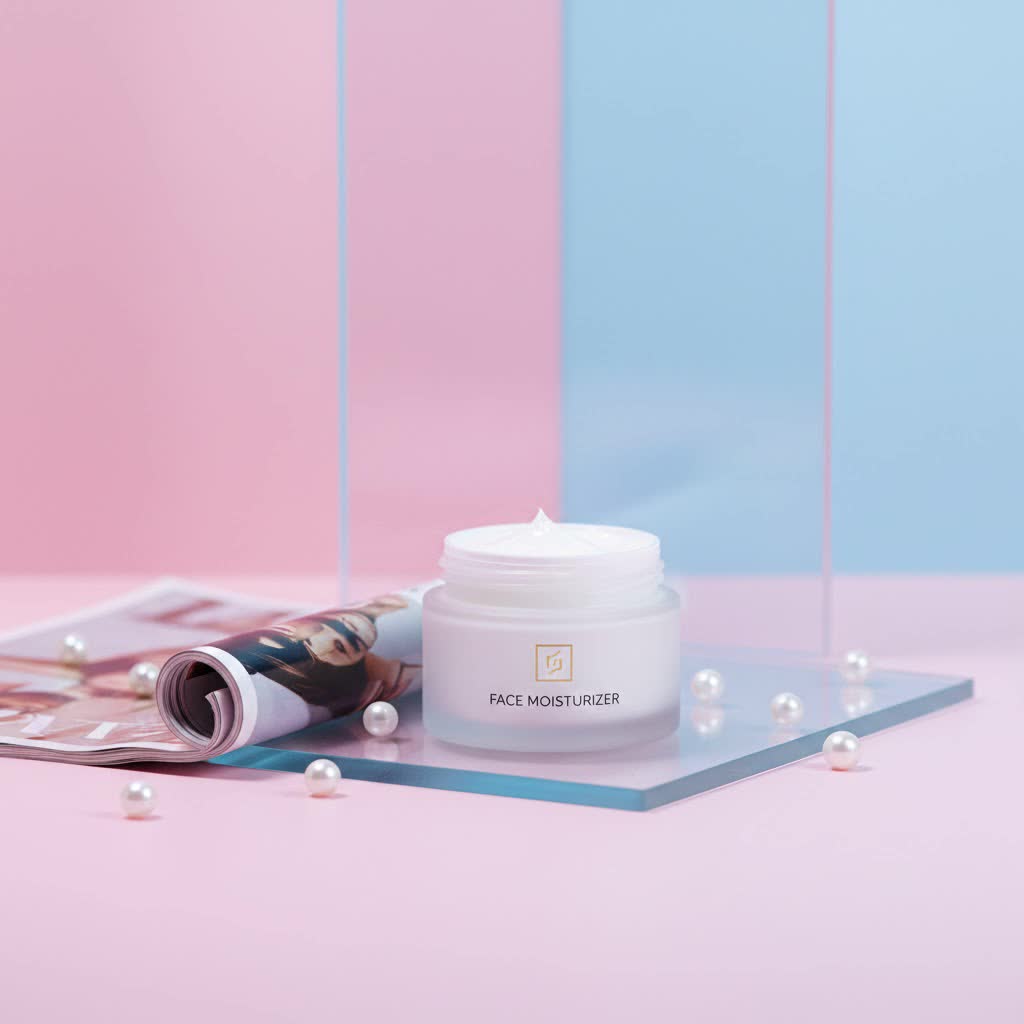
What is Face Moisturizer? Why is it Essential for Oily Skin?
A face moisturizer is a skincare product designed to hydrate and protect the skin’s barrier, sealing in moisture and nutrients. For oily skin, which is characterized by an overproduction of natural oils (sebum), the idea of adding more moisture might seem counterintuitive. However, this abundance of natural oils doesn’t necessarily mean your skin is adequately hydrated. In fact, oily skin often lacks water, a state known as dehydration. When skin is dehydrated, it can go into overdrive producing more oil, creating a vicious cycle of shine and potential breakouts.
Proper hydration is crucial for all skin types, including oily skin, to maintain a healthy skin barrier and prevent overactive oil glands. A well-chosen moisturizer can help regulate sebum production, soothe irritation, minimize the appearance of pores, and protect against environmental aggressors, ensuring your skin remains balanced, soft, and supple without feeling greasy or sticky.
Important Ingredients in Face Moisturizers for Oily Skin
The effectiveness of a moisturizer, particularly for oily skin, lies in its ingredient profile. Understanding key components will empower you to make informed choices. The best formulations for oily skin are typically lightweight, non-comedogenic (meaning they won’t clog pores), and often contain mattifying properties.
Humectants (Moisture Magnets)
Humectants are ingredients that attract water from the air and deeper layers of the skin, binding it to the skin’s surface for hydration. They are vital for oily skin as they provide essential water-based moisture without adding oil.
- Glycerin: A classic and highly effective humectant that draws moisture into the skin, leaving it soft and hydrated.
- Hyaluronic Acid (HA): A powerful humectant capable of holding up to 1,000 times its weight in water, providing intense hydration and a plump look without any heavy feel.
|
Our Picks for the Best Face Moisturizer in 2026
As an Amazon Associate I earn from qualifying purchases.
|
||
| Num | Product | Action |
|---|---|---|
| 1 | Dr.Althea 345 Relief Cream - Moisturizer for Soothing Recovery and Blemish Care with PDRN & Niacinamide - Korean Vegan Skin Care for All Skin Types, 1.69 Fl Oz (Ver.2 - Pack of 1) |

|
| 2 | CeraVe Daily Moisturizing Lotion for Dry Skin, Body Lotion & Face Moisturizer with Hyaluronic Acid and Ceramides, Daily Moisturizer, Fragrance Free, Oil-Free, 12 Ounce |
|
| 3 | Tallow Face Cream Daytime – Brighten & Hydrate Moisturizer with Vitamin C, Peptides & Goji Berry Oil – Nourishing Grass-Fed Tallow Face Cream for Radiant, Smooth Skin – 2oz (57g) |
|
| 4 | Neutrogena Fragrance Free Daily Facial Moisturizer, Face & Neck Moisturizer for Sensitive Skin with Vitamin B3, Pro-Vitamin B5 & Vitamin E Supports Skin's Dynamic Barrier, 3.4 fl. oz |
|
| 5 | La Roche-Posay Toleriane Double Repair Face Moisturizer, Daily Moisturizer Face Cream with Ceramide & Niacinamide for All Skin Types, Immediate Comfort & Long Lasting Hydration, Fragrance Free |
|
| 6 | La Roche-Posay Lipikar AP+ Triple Repair Moisturizing Cream - Face & Body Lotion For Dry Skin - Shea Butter & Niacinamide Moisturizer - Gentle Face & Body Cream For Dry, Rough & Sensitive Skin |
|
| 7 | Vanicream Daily Facial Moisturizer With Ceramides and Hyaluronic Acid - Formulated Without Common Irritants for Those with Sensitive Skin, 3 fl oz (Pack of 1) |
|
| 8 | RoC Multi Correxion Even Tone + Lift 5-in-1 Daily Moisturizer, SPF 30, 1.7oz, Brightening, Firming, Hydrating, Paraben-free, Hypoallergenic |
|
| 9 | L’Oreal Paris Collagen Daily Face Moisturizer, Anti Aging Face Cream to Reduce Wrinkles and Provide Intense Hydration, 1.7 oz |
|
| 10 | La Roche-Posay Toleriane Double Repair UV SPF Moisturizer for Face, Daily Facial Moisturizer with Sunscreen SPF 30, Niacinamide and Glycerin, Oil Free, Moisturizing Sun Protection |
|
Emollients (Skin Softeners)
Emollients help to smooth and soften the skin by filling in the gaps between skin cells, improving texture and suppleness. For oily skin, lightweight emollients are preferred to avoid a greasy feel.
- Ceramides: Naturally occurring lipids that are crucial for a healthy skin barrier. They help restore and maintain the skin’s protective function, preventing moisture loss and protecting against irritants.
- Squalane: A lightweight, non-comedogenic oil that mimics the skin’s natural sebum, offering hydration and softness without clogging pores. Plant-derived squalane (often from olives or sugarcane) is particularly favored.
- Fatty Acids: Essential for skin health, lightweight fatty acids can help support the skin barrier.
Occlusives (Moisture Lockers)
Occlusives form a protective barrier on the skin’s surface to prevent water loss. While heavy occlusives like petrolatum are generally too rich for oily skin, lighter, breathable options can still be beneficial.
- Silicone-based ingredients (e.g., Dimethicone): These create a smooth, breathable film that locks in moisture without feeling heavy or greasy, often providing a silky finish.
- Waxes (e.g., Candelilla Wax, Beeswax in small amounts): Can offer light occlusive properties in carefully formulated products for oily skin, ensuring a non-comedogenic profile.
Other Beneficial Ingredients
Beyond the basic categories, several active ingredients are highly effective for managing oily and acne-prone skin:
- Niacinamide (Vitamin B3): A multitasking powerhouse that helps regulate sebum production, minimize the appearance of enlarged pores, calm inflammation and redness, and improve overall skin tone and texture.
- Salicylic Acid (BHA): A beta-hydroxy acid that exfoliates inside the pores, making it excellent for preventing and treating breakouts, blackheads, and whiteheads commonly associated with oily skin.
- Antioxidants (e.g., Green Tea Extract, Vitamin E): Protect the skin from environmental damage and can help soothe inflammation.
- Peptides: Small chains of amino acids that can support collagen production and improve skin elasticity, offering anti-aging benefits without being heavy.
- Oil-absorbing ingredients (e.g., Perlite, Silica, Starches from corn or rice): These provide a mattifying effect, helping to absorb excess oil and reduce shine throughout the day.
Classifying Moisturizers by Skin Type
Choosing the right moisturizer is highly dependent on your specific skin type and its unique needs. While this guide focuses on oily skin, understanding the broader classifications helps contextualize the recommendations.
Dry Skin
For dry skin, which lacks natural oils, moisturizers need to be rich and deeply nourishing. These often contain a higher concentration of emollients and occlusives like shea butter, ceramides, and heavier oils to restore the skin’s lipid barrier and prevent moisture loss. They typically have a creamy or balm-like texture.
Oily Skin
The best moisturizers for oily skin are generally lightweight, oil-free, and non-comedogenic. Textures like gels, gel-creams, or light lotions are ideal as they absorb quickly without leaving a greasy residue. Formulations often include mattifying ingredients to control shine and active ingredients like niacinamide or salicylic acid to address common oily skin concerns like large pores and breakouts.
Combination Skin
Combination skin presents a challenge with oily areas (often the T-zone) and drier patches (cheeks). Moisturizers for this type should be balanced, providing adequate hydration to dry zones without over-moisturizing oily areas. Gel-creams or lightweight lotions that offer a blend of humectants and light emollients work well to harmonize the skin’s needs.
Sensitive Skin
Sensitive skin, regardless of oiliness, requires gentle formulations free from common irritants like harsh fragrances, dyes, and certain alcohols. Look for products labeled “hypoallergenic,” “fragrance-free,” and containing soothing ingredients such as aloe vera, allantoin, or panthenol. For sensitive oily skin, combining these qualities with lightweight, non-comedogenic properties is key.
Normal Skin
Normal skin is well-balanced, not too oily and not too dry. It can benefit from a wide range of moisturizers that maintain its natural hydration and protect it. Lightweight lotions or creams with a good mix of humectants and emollients are generally sufficient for daily maintenance.
Comparison Table: Popular Moisturizers for Oily Skin
Here’s a comparison of some highly-regarded face moisturizers suitable for oily skin, highlighting their key features and benefits:
| Brand/Product | Key Ingredients | Type of Skin Suited For | Pros | Cons | Price Range* |
|---|---|---|---|---|---|
| CeraVe Oil Control Moisturizing Gel-Cream | Ceramides, Hyaluronic Acid, Niacinamide, Silica | Oily, Combination, Acne-Prone | Mattifying, rebalances oil, supports skin barrier, affordable, non-comedogenic | Can sometimes pill if over-applied or layered heavily | $ |
| Tatcha The Water Cream | Japanese Wild Rose, Japanese Leopard Lily, Hadasei-3, Hyaluronic Acid | Oily, Combination, Sensitive | Ultra-lightweight, provides soft matte finish, rich in antioxidants, soothing | Premium price point, packaging can be bulky for travel | $$$ |
| Neutrogena Hydro Boost Water Gel Moisturizer | Hyaluronic Acid, Glycerin | Oily, Dehydrated, All Skin Types | Budget-friendly, instantly cooling, intense hydration without grease, non-comedogenic | Contains fragrance, can leave a slight film if too much is used | $ |
| Paula’s Choice Invisible Finish Moisture Gel | Niacinamide, Hyaluronic Acid, Green Tea Extract, Algae Extract | Oily, Acne-Prone, Enlarged Pores | Minimizes pore appearance, reduces oiliness, leaves skin supple, lightweight, ideal for acne | Some users find it best for nighttime application | $$ |
*Price Range: $ (Budget-friendly), $$ (Mid-range), $$$ (Premium)
Guide to Choosing the Right Moisturizer for Oily Skin (Buying Guide)
Selecting the perfect moisturizer for your oily complexion involves a bit of detective work and self-awareness. Follow these steps to make an informed decision:
1. Identify Your Specific Skin Type and Concerns
While you know you have oily skin, consider if you also experience other issues like acne, sensitivity, or dehydration. For instance, oily, acne-prone skin will benefit from ingredients like salicylic acid and niacinamide. Oily, sensitive skin will require fragrance-free and hypoallergenic formulas. Understanding these nuances will narrow down your options significantly.
2. Read Ingredients Carefully
Always scrutinize the ingredient list. Look for words like “oil-free,” “non-comedogenic,” “non-acnegenic,” or “won’t clog pores” on the packaging. Prioritize humectants like hyaluronic acid and glycerin for hydration, along with oil-regulating ingredients such as niacinamide. Avoid heavy oils (like coconut oil or mineral oil) and overly rich creams that can sit on the skin and contribute to shine or breakouts.
3. Understand Product Texture
For oily skin, lighter textures are almost always better. Gels, gel-creams, and lightweight lotions absorb quickly and feel breathable. They provide hydration without adding a heavy, occlusive layer that could lead to a greasy sensation. “The texture of a moisturizer can significantly impact how it feels and performs on the skin,” notes master aesthetician Edyta Jarosz, who suggests opting for lightweight, fast-absorbing gels.
4. Research Brands and Read Reviews
Opt for reputable brands known for their science-backed formulations, especially those developed with dermatologists. Reading user reviews, particularly from individuals with similar skin types and concerns, can offer valuable insights into a product’s real-world performance regarding oil control, mattifying effects, and how it feels on the skin.
5. Consider SPF for Daytime
For your morning routine, an all-in-one moisturizer with broad-spectrum SPF 30 or higher is an excellent choice for oily skin, simplifying your routine and ensuring daily sun protection without adding extra layers. Make sure it’s also non-comedogenic.
6. Patch Test New Products
Before applying a new moisturizer all over your face, perform a patch test. Apply a small amount to an inconspicuous area, like behind your ear or on your jawline, for a few days to check for any adverse reactions like redness, irritation, or breakouts. This helps prevent widespread skin issues.
How to Use Face Moisturizer Effectively for Oily Skin
Even with the right product, proper application techniques are essential to maximize benefits for oily skin.
When to Use
Apply moisturizer twice daily: once in the morning and once at night.
- Morning: After cleansing and applying any serums, a lightweight moisturizer preps your skin for makeup and sunscreen. If your moisturizer doesn’t contain SPF, apply a separate sunscreen afterward.
- Night: After your evening cleanse and any targeted treatments, a night moisturizer helps repair and hydrate your skin while you sleep.
Steps for Application
Incorporate your moisturizer into your complete skincare routine:
- Cleanse: Start with a gentle cleanser to remove oil, dirt, and makeup.
- Tone (Optional): A toner can help balance skin pH and provide a first layer of hydration.
- Treat (Serums/Essences): Apply any targeted treatments like acne serums, antioxidants, or hydrating essences.
- Moisturize: Apply your chosen moisturizer.
- Sunscreen (AM only): If your moisturizer doesn’t have SPF, apply a broad-spectrum sunscreen as the final step in your morning routine.
How Much to Use
For oily skin, a pea-sized amount of moisturizer for the entire face is usually sufficient. Aesthetician Kristyn Smith advises that applying excessive moisturizer can overwhelm the skin, making it feel greasier and look shinier. Remember, a little goes a long way, especially with concentrated formulas.
Gentle Application
Apply the moisturizer to slightly damp skin, as this helps to lock in hydration. Gently pat or lightly massage the product into your face and neck using upward motions. Avoid harsh rubbing, which can irritate the skin and potentially stimulate oil production.
Common Mistakes When Moisturizing Oily Skin
Even with the best intentions, some common mistakes can hinder your efforts to achieve balanced skin.
- Skipping Moisturizer Altogether: This is perhaps the biggest error. As lead medical aesthetician Laila Fernando points out, “Moisturizer helps regulate oil production and prevents skin from overcompensating by producing more oil when it’s dehydrated.” Skipping it can paradoxically make your skin oilier.
- Using the Wrong Type of Moisturizer: Opting for heavy, oil-based creams or those with comedogenic ingredients can clog pores, lead to breakouts, and contribute to a greasy feeling. Always choose lightweight, oil-free, non-comedogenic formulas.
- Applying Too Much Product: Over-applying can make your skin feel suffocated, appear shiny, and prevent other products from absorbing properly. Stick to the recommended pea-sized amount.
- Not Cleansing Properly Before Moisturizing: Applying moisturizer to uncleansed skin traps dirt, oil, and impurities, leading to clogged pores and a less effective product. Always start with a clean canvas.
- Inconsistency: Skincare is a marathon, not a sprint. Skipping days or being inconsistent with your moisturizing routine can disrupt your skin’s balance. Daily, consistent application yields the best results.
- Ignoring Seasonal Changes: Your skin’s needs can change with the seasons. You might need a slightly lighter gel in humid summer months and a marginally richer, still oil-free, lotion in drier winter conditions.
Conclusion
Finding the best face moisturizer for oily skin is not about eliminating moisture, but rather about providing intelligent, balanced hydration that works with your skin’s natural processes. By prioritizing lightweight, non-comedogenic formulas packed with beneficial ingredients like hyaluronic acid, niacinamide, and oil-absorbing agents, you can effectively control shine, minimize pores, and maintain a healthy, radiant complexion. Remember to cleanse thoroughly, apply a modest amount, and stay consistent with your routine. With the right product and approach, your oily skin can achieve a beautiful, balanced glow.
What changes have you noticed in your skin since incorporating a targeted moisturizer for oil control?
Frequently Asked Questions
Oily skin really needs moisturizer?
Yes, absolutely! Oily skin often lacks water-based hydration, even if it produces excess oil. Skipping moisturizer can trick your skin into producing more sebum to compensate, leading to increased oiliness and potential breakouts. A lightweight, non-comedogenic moisturizer helps regulate oil production and maintains a healthy skin barrier.
What ingredients should I look for in an oily skin moisturizer?
For oily skin, look for humectants like hyaluronic acid and glycerin for hydration, and active ingredients such as niacinamide to regulate oil and minimize pores. Oil-absorbing components like silica or perlite can help mattify the skin. Always ensure the formula is labeled “oil-free” and “non-comedogenic.”
Can moisturizer cause acne on oily skin?
A poorly chosen moisturizer can contribute to acne if it’s too heavy, contains pore-clogging ingredients (comedogenic), or irritates the skin. However, the right moisturizer—one that is lightweight, oil-free, and non-comedogenic—will hydrate your skin without exacerbating oil production or causing breakouts, actually helping to maintain clarity.
How often should I moisturize my oily face?
It’s recommended to moisturize your oily face twice daily: once in the morning after cleansing and before sunscreen, and again at night after your evening cleanse and any treatments. Consistent application helps keep your skin balanced and hydrated throughout the day and night.
What is the best texture for an oily skin moisturizer?
Gel, gel-cream, and lightweight lotion textures are typically best for oily skin. These formulas absorb quickly, feel breathable on the skin, and provide hydration without leaving a greasy or heavy residue. They are designed to deliver moisture efficiently without contributing to shine.
