For many with oily skin, the thought of adding more moisture might seem counterintuitive, perhaps even like fanning a flame. You might envision a shiny, congested complexion, leading you to skip this crucial step entirely. However, dermatologists and skincare experts agree: even oily skin desperately needs hydration. Neglecting to moisturize can actually trigger your sebaceous glands to overproduce oil to compensate for dehydration, ultimately making your skin even oilier and more prone to breakouts.
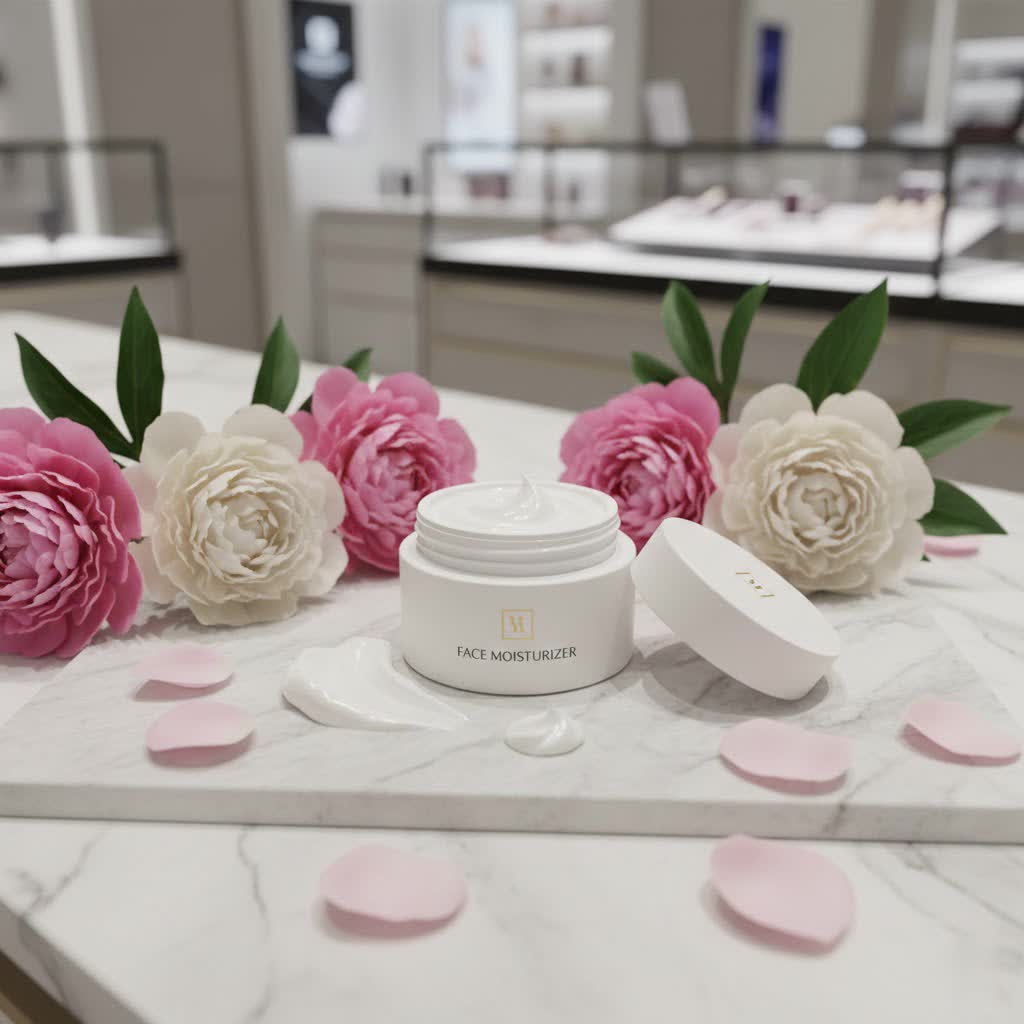
The secret lies not in avoiding moisturizer, but in choosing the right one. This comprehensive guide will equip you with the knowledge to understand your oily skin, identify beneficial ingredients, navigate product choices, and integrate the perfect face moisturizer into your routine for a balanced, healthy, and radiant complexion.
What is Face Moisturizer and Why is it Essential for Oily Skin?
A face moisturizer is a skincare product designed to hydrate and protect the skin’s outermost layer, known as the skin barrier. Its primary function is to draw moisture into the skin and seal it in, preventing transepidermal water loss (TEWL). For oily skin, this process is particularly critical because a compromised or dehydrated skin barrier can signal your skin to produce more sebum, its natural oil, leading to increased oiliness and potential breakouts.
Despite the common misconception, oily skin can still be dehydrated beneath its surface. Adequate hydration helps normalize sebum production, strengthens the skin barrier to reduce irritation, and supports a smoother, less congested appearance. Without proper moisturization, your skin may feel tight yet appear greasy, a clear sign of an imbalance. By providing essential moisture, a well-chosen face moisturizer for oily skin can help achieve a balanced complexion, reduce shine, and prevent the cycle of overactive oil glands.
Key Ingredients for Oily Skin Moisturizers
Choosing an effective moisturizer for oily skin means looking beyond just “oil-free” and understanding the active ingredients. The best formulas combine lightweight hydration with elements that control sebum and support skin health without clogging pores.
Humectants (Moisture Magnets)
Humectants are ingredients that attract and bind water from the air into the skin, providing hydration without adding oil or heaviness. They are paramount for oily skin types.
- Hyaluronic Acid: A superstar humectant capable of holding up to 1,000 times its weight in water, hyaluronic acid provides intense, lightweight hydration, helping to plump the skin and reduce the need for excessive oil production.
- Glycerin: A widely used, effective humectant that draws moisture into the skin, supporting hydration and a healthy skin barrier.
- Panthenol (Vitamin B5): Known for its soothing and hydrating properties, Panthenol helps maintain skin’s moisture levels and can have an anti-inflammatory effect.
|
Our Picks for the Best Face Moisturizer in 2026
As an Amazon Associate I earn from qualifying purchases.
|
||
| Num | Product | Action |
|---|---|---|
| 1 | Tallow Face Cream Daytime – Brighten & Hydrate Moisturizer with Vitamin C, Peptides & Goji Berry Oil – Nourishing Grass-Fed Tallow Face Cream for Radiant, Smooth Skin – 2oz (57g) |

|
| 2 | RoC Multi Correxion Even Tone + Lift 5-in-1 Daily Moisturizer, SPF 30, 1.7oz, Brightening, Firming, Hydrating, Paraben-free, Hypoallergenic |
|
| 3 | La Roche-Posay Lipikar AP+ Triple Repair Moisturizing Cream - Face & Body Lotion For Dry Skin - Shea Butter & Niacinamide Moisturizer - Gentle Face & Body Cream For Dry, Rough & Sensitive Skin |
|
| 4 | Vanicream Daily Facial Moisturizer With Ceramides and Hyaluronic Acid - Formulated Without Common Irritants for Those with Sensitive Skin, 3 fl oz (Pack of 1) |
|
| 5 | CeraVe Daily Moisturizing Lotion for Dry Skin, Body Lotion & Face Moisturizer with Hyaluronic Acid and Ceramides, Daily Moisturizer, Fragrance Free, Oil-Free, 12 Ounce |
|
| 6 | Dr.Althea 345 Relief Cream - Moisturizer for Soothing Recovery and Blemish Care with PDRN & Niacinamide - Korean Vegan Skin Care for All Skin Types, 1.69 Fl Oz (Ver.2 - Pack of 1) |
|
| 7 | L’Oreal Paris Collagen Daily Face Moisturizer, Anti Aging Face Cream to Reduce Wrinkles and Provide Intense Hydration, 1.7 oz |
|
| 8 | La Roche-Posay Toleriane Double Repair UV SPF Moisturizer for Face, Daily Facial Moisturizer with Sunscreen SPF 30, Niacinamide and Glycerin, Oil Free, Moisturizing Sun Protection |
|
| 9 | Neutrogena Fragrance Free Daily Facial Moisturizer, Face & Neck Moisturizer for Sensitive Skin with Vitamin B3, Pro-Vitamin B5 & Vitamin E Supports Skin's Dynamic Barrier, 3.4 fl. oz |
|
| 10 | La Roche-Posay Toleriane Double Repair Face Moisturizer, Daily Moisturizer Face Cream with Ceramide & Niacinamide for All Skin Types, Immediate Comfort & Long Lasting Hydration, Fragrance Free |
|
Emollients (Skin Softeners and Barrier Reinforcers)
Emollients work to smooth and soften the skin, filling in gaps in the skin barrier. For oily skin, lightweight and non-comedogenic emollients are key.
- Ceramides: These are lipids naturally found in the skin barrier, crucial for maintaining its integrity and preventing moisture loss. They are vital for strengthening a compromised barrier, which can often be an underlying issue for oily skin.
- Squalane: A lightweight, non-comedogenic oil that mimics the skin’s natural sebum, squalane provides effective hydration and helps prevent moisture loss without clogging pores. Certain non-comedogenic oils like jojoba oil or rosehip oil can also be balancing, but heavy occlusive oils should generally be avoided.
Occlusives (Moisture Sealants)
Occlusives form a protective layer on the skin’s surface to prevent moisture from escaping. While essential for dry skin, they are generally less suitable for daily use on oily skin, as heavier options can feel greasy or clog pores. Very light occlusives, often integrated into formulations (e.g., dimethicone in small amounts), can provide a breathable barrier.
Other Beneficial Ingredients
Beyond basic hydration, many moisturizers for oily skin include active ingredients to address specific concerns like excess oil, breakouts, and pore appearance.
- Niacinamide (Vitamin B3): A multifaceted ingredient that helps regulate oil production, minimize pore size, improve skin elasticity, and reduce inflammation and redness.
- Salicylic Acid (BHA): An oil-soluble exfoliant that penetrates pores to dissolve sebum and dead skin cells, making it excellent for oil control and preventing breakouts.
- Glycolic Acid (AHA): An alpha-hydroxy acid that exfoliates the skin’s surface, helping to reduce excess oil production and improve skin texture.
- Zinc PCA: An ingredient known for its oil-regulating and anti-inflammatory properties, helpful in balancing sebum.
- Mattifying Agents: Ingredients like perlite, silica, and starches from corn or rice can absorb excess oil on the skin’s surface, providing an instant mattifying effect and reducing shine throughout the day.
- Antioxidants (e.g., Vitamin C, Green Tea Extract): These protect the skin from environmental damage, brighten the complexion, and can help with concerns like hyperpigmentation often associated with post-acne marks.
Choosing the Right Moisturizer for Your Oily Skin
Finding your perfect face moisturizer for oily skin requires a thoughtful approach, focusing on suitability for your skin’s unique needs and preferences.
Understanding Your Skin’s Specific Needs
While your skin is oily, consider if you also experience other concerns:
- Oily and Acne-Prone: Look for non-comedogenic formulas with ingredients like salicylic acid or niacinamide.
- Oily and Sensitive: Prioritize fragrance-free, hypoallergenic, and non-comedogenic products with soothing ingredients such as Centella Asiatica or aloe.
- Oily and Dehydrated: Focus on humectant-rich formulas (hyaluronic acid, glycerin) in a lightweight texture.
- Oily with Hyperpigmentation: Niacinamide and Vitamin C can be beneficial for evening out skin tone.
Deciphering Ingredient Lists
Always check product labels for terms like “oil-free” and “non-comedogenic.” “Non-comedogenic” means the product is formulated not to clog pores, which is crucial for preventing breakouts in oily skin. Conversely, avoid heavy, rich oils (like coconut oil, which is highly comedogenic), excessive synthetic fragrances, and alcohol, as these can irritate the skin or trigger more oil production.
Considering Texture
The texture of your moisturizer is paramount. Lightweight formulas are generally preferred for oily skin types.
- Gel moisturizers: These are often water-based, absorb quickly, and leave a non-greasy, refreshing finish.
- Gel-creams: Offering a balance between a gel and a cream, these provide hydration without heaviness, often delivering a smooth, matte finish.
- Lightweight lotions/fluids: These oil-free options are designed to hydrate without feeling heavy or leaving a residue.
Brand Reputation and Reviews
Opt for reputable brands known for their transparency and dermatologist-tested products. Reading reviews from individuals with similar skin types can offer valuable insights, but remember that individual experiences can vary.
Patch Testing
Before applying any new product to your entire face, perform a patch test on a small, inconspicuous area of skin (like behind your ear or on your jawline) for a few days. This helps you check for any adverse reactions or irritation.
Popular Moisturizers for Oily Skin: A Comparison
The market offers a vast array of moisturizers tailored for oily skin. Here are some popular categories and examples often recommended by experts, showcasing the variety available:
- Gel-Based Hydrators: These provide a burst of hydration with a refreshing, weightless feel. Examples include Neutrogena Hydro Boost Water Gel, which uses hyaluronic acid to hydrate without a greasy residue, and Laneige Water Bank Blue Hyaluronic Gel Moisturizer, praised for its quick absorption and suitability for reactive skin types.
- Mattifying Options: Designed to control shine throughout the day, these often contain oil-absorbing ingredients. La Roche-Posay Effaclar Mat Oil-Free Mattifying Moisturizer is a popular choice, utilizing “sebulyse technology” and micro-exfoliating lipo-hydroxy acid to target excess oil and reduce shine. CeraVe Oil Control Moisturizing Gel-Cream also offers shine management and barrier support.
- For Sensitive Oily Skin: Fragrance-free and gentle formulas are key. Vanicream Daily Facial Moisturizer is frequently recommended for sensitive, allergy-prone skin due to its minimalist, non-irritating formula containing ceramides, squalane, glycerin, and hyaluronic acid.
- With Added Acne Benefits: If your oily skin is also prone to breakouts, consider moisturizers with acne-fighting ingredients. Differin Oil Absorbing Moisturizer often contains SPF and micropearl technology to absorb oil while treating acne-prone skin.
- Antioxidant-Rich Moisturizers: To protect against environmental stressors and address concerns like uneven tone, look for products with antioxidants. Avalon Organics Gel Cream Moisturizer with Vitamin C is an example that combines hydration with brightening benefits.
How to Effectively Incorporate Moisturizer into Your Skincare Routine
Applying your face moisturizer correctly is just as important as choosing the right one. A consistent routine ensures optimal results for your oily skin.
Optimal Application Timing
For oily skin, moisturizer should be applied twice daily:
- Morning: After cleansing and any serums, apply your moisturizer before sunscreen. This creates a smooth base for makeup and protects your skin throughout the day.
- Evening: After cleansing, toning, and applying any treatment serums, a dedicated nighttime moisturizer can support your skin’s natural repair processes.
Step-by-Step Routine
- Cleanse: Start with a gentle cleanser formulated for oily skin to remove excess oil, dirt, and impurities without stripping your skin.
- Tone (Optional but Recommended): A toner can balance the skin’s pH levels, remove any remaining traces of oil, and prepare your skin for better absorption of subsequent products.
- Serums: Apply any targeted treatment serums (e.g., niacinamide, vitamin C, salicylic acid) before your moisturizer.
- Moisturize: Dispense a pea-sized amount of moisturizer onto your fingertips.
- Apply Gently: Using upward, circular motions, gently massage the moisturizer into your face and neck until fully absorbed. Avoid harsh rubbing.
- Sun Protection (Morning): Always follow your morning moisturizer with a broad-spectrum sunscreen with at least SPF 30, especially if your moisturizer doesn’t contain SPF.
Correct Amount and Technique
A pea-sized amount is usually sufficient for the entire face. Using too much can feel heavy or lead to blocked pores. Gentle massage helps the product absorb evenly and stimulates circulation without irritating the skin.
Common Mistakes to Avoid When Moisturizing Oily Skin
Even with the best intentions, certain habits can undermine your efforts to manage oily skin. Be mindful of these common pitfalls:
- Skipping Moisturizer Altogether: This is perhaps the most significant mistake. As discussed, depriving oily skin of moisture can trigger it to produce even more oil, creating a vicious cycle of greasiness and breakouts.
- Using Heavy, Pore-Clogging Formulas: Opting for moisturizers rich in heavy oils or highly occlusive ingredients can lead to clogged pores, increased shine, and breakouts. Always look for “oil-free” and “non-comedogenic” labels.
- Not Cleansing Properly Before Moisturizing: Applying moisturizer to uncleaned skin means you’re trapping dirt, oil, and impurities, which can lead to breakouts and reduce the effectiveness of your moisturizer.
- Over-Exfoliating or Using Harsh Products: While exfoliation is beneficial for oily skin, excessive use of harsh cleansers, toners, or exfoliants can strip the skin, damage the barrier, and cause dehydration, prompting further oil production.
- Inconsistent Application: Skincare requires consistency. Skipping days or applying moisturizer sporadically won’t yield the desired results. Make it a non-negotiable part of your daily routine.
“Many of those with oily skin do not realize that they still need to moisturize to help with the overall health, texture, and appearance of their skin.” – Dr. Shari Marchbein, Board-Certified Dermatologist
Conclusion
Embracing the right face moisturizer for your oily skin is a transformative step towards achieving a balanced, healthy, and vibrant complexion. By understanding the science behind oily skin, identifying beneficial ingredients like hyaluronic acid and niacinamide, and choosing lightweight, non-comedogenic formulas, you can effectively manage shine and prevent breakouts without stripping your skin. Remember, consistency in your routine and avoiding common pitfalls are key to unlocking your skin’s full potential.
What changes will you make to your skincare routine to find your perfect match for a shine-free, hydrated glow?
Frequently Asked Questions
Is hyaluronic acid good for oily skin?
Yes, hyaluronic acid is excellent for oily skin. It’s a lightweight humectant that draws moisture into the skin without adding oil or heaviness, helping to hydrate and strengthen the skin barrier. This can reduce the skin’s tendency to overproduce oil due to dehydration.
Should oily skin use gel or cream moisturizer?
For oily skin, gel-based or water-based moisturizers are generally preferred over heavy creams. Gels are lightweight, absorb quickly, and leave less residue, helping to avoid a greasy feel. While some lightweight creams can work, rich, occlusive creams are typically better suited for dry skin.
Does oily skin need moisturizer daily?
Absolutely. Oily skin still needs daily moisture to maintain a healthy skin barrier and prevent dehydration. Skipping moisturizer can lead to your sebaceous glands overcompensating by producing more oil, exacerbating shine and breakouts.
What does “non-comedogenic” mean?
“Non-comedogenic” means a product is specifically formulated not to clog pores. This is a crucial characteristic to look for in moisturizers for oily and acne-prone skin, as clogged pores can lead to blackheads, whiteheads, and pimples.
Can moisturizer make oily skin worse?
Using the wrong type of moisturizer can indeed make oily skin worse. Heavy, oil-rich, or pore-clogging formulas can contribute to increased greasiness and breakouts. However, a lightweight, oil-free, non-comedogenic moisturizer designed for oily skin will provide necessary hydration without exacerbating oiliness.
