Struggling with tight, flaky, or dull skin? You’re not alone. Dry skin can be a constant battle, leaving your complexion feeling uncomfortable and looking less than vibrant. The good news is, finding the perfect face moisturizer can be a game-changer, transforming your skin from parched to perfectly plump and radiant. This comprehensive guide will help you understand everything you need to know about choosing, using, and maximizing the benefits of face moisturizers specifically formulated for dry skin. Get ready to unlock the secrets to a healthy, hydrated glow!
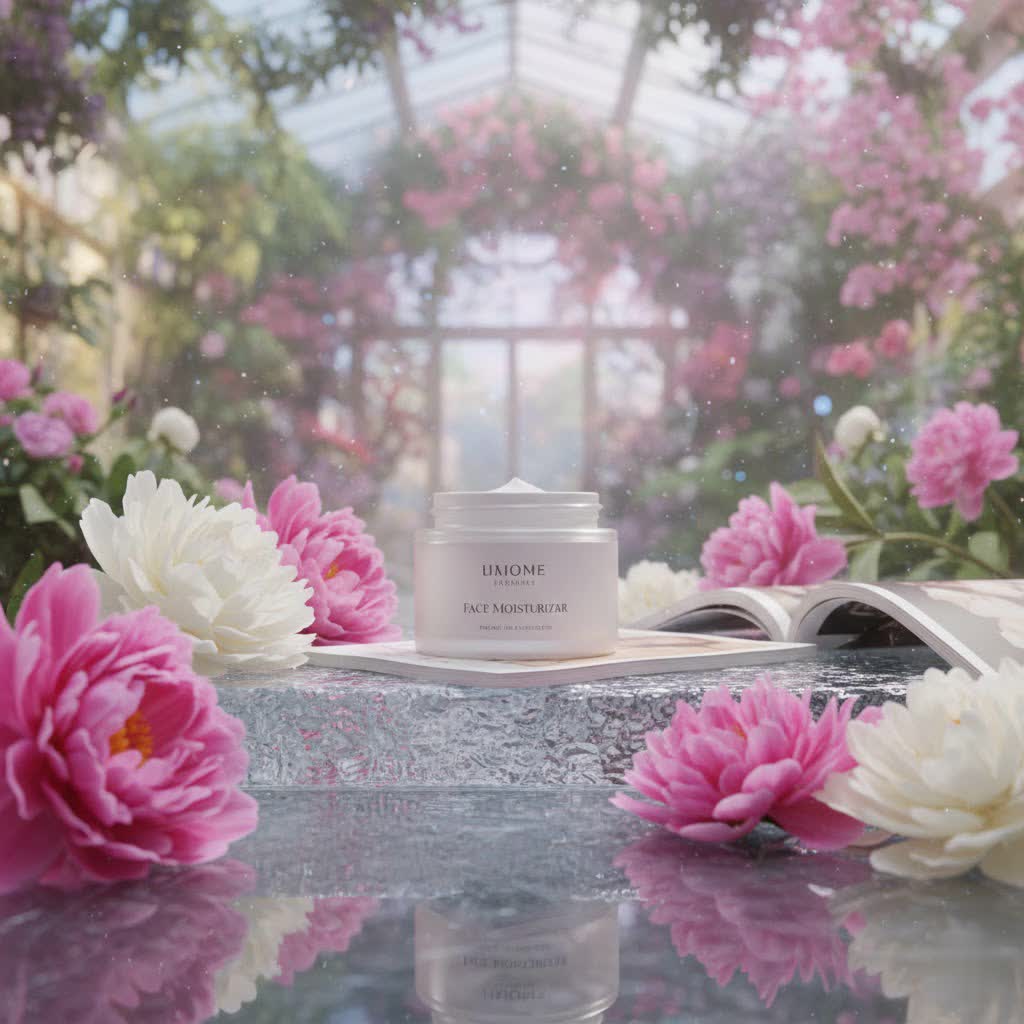
What is a Face Moisturizer for Dry Skin and Why is it Essential?
A face moisturizer for dry skin is a specially formulated product designed to replenish lost moisture, strengthen the skin’s natural barrier, and prevent water loss. Unlike regular moisturizers, those for dry skin often contain a richer blend of ingredients that provide intense, lasting hydration.
The importance of moisturizing for dry skin cannot be overstated. Dry skin typically has a compromised natural moisture barrier, making it less effective at retaining water and protecting against environmental aggressors like cold weather, low humidity, and pollution. This can lead to increased sensitivity, roughness, flaking, and a more pronounced appearance of fine lines and wrinkles. A well-chosen face moisturizer acts as both protection and repair, replenishing essential lipids, sealing in hydration, and helping to rebuild the skin’s protective barrier over time. Consistent use can dramatically improve skin texture, comfort, and overall resilience.
Different skin types have varying hydration needs, and dry skin, characterized by an underproduction of sebum (natural oils), requires formulas that offer deep nourishment and help prevent transepidermal water loss. Recognizing your skin’s unique needs is the first step toward achieving a healthy, supple complexion.
Key Ingredients in Effective Dry Skin Moisturizers
The efficacy of a face moisturizer for dry skin largely depends on its ingredient profile. Understanding the role of different components can help you make an informed choice. Moisturizing ingredients generally fall into three categories: humectants, emollients, and occlusives, often working in synergy within a single product.
Humectants (Moisture Magnets)
Humectants are ingredients that attract water from the environment or deeper layers of the skin to the surface, effectively binding moisture to the skin cells. They are crucial for drawing in hydration.
- Glycerin: A common and highly effective humectant that draws water into the skin, improving overall hydration.
- Hyaluronic Acid: Naturally produced by the body, this sugar molecule can hold up to 1,000 times its weight in water, keeping skin plump and hydrated. It helps reduce the appearance of fine lines and wrinkles.
- Honey: A natural humectant with additional soothing and antibacterial properties.
|
Our Picks for the Best Face Moisturizer in 2026
As an Amazon Associate I earn from qualifying purchases.
|
||
| Num | Product | Action |
|---|---|---|
| 1 | RoC Multi Correxion Even Tone + Lift 5-in-1 Daily Moisturizer, SPF 30, 1.7oz, Brightening, Firming, Hydrating, Paraben-free, Hypoallergenic |

|
| 2 | Tallow Face Cream Daytime – Brighten & Hydrate Moisturizer with Vitamin C, Peptides & Goji Berry Oil – Nourishing Grass-Fed Tallow Face Cream for Radiant, Smooth Skin – 2oz (57g) |
|
| 3 | L’Oreal Paris Collagen Daily Face Moisturizer, Anti Aging Face Cream to Reduce Wrinkles and Provide Intense Hydration, 1.7 oz |
|
| 4 | La Roche-Posay Lipikar AP+ Triple Repair Moisturizing Cream - Face & Body Lotion For Dry Skin - Shea Butter & Niacinamide Moisturizer - Gentle Face & Body Cream For Dry, Rough & Sensitive Skin |
|
| 5 | La Roche-Posay Toleriane Double Repair Face Moisturizer, Daily Moisturizer Face Cream with Ceramide & Niacinamide for All Skin Types, Immediate Comfort & Long Lasting Hydration, Fragrance Free |
|
| 6 | Neutrogena Fragrance Free Daily Facial Moisturizer, Face & Neck Moisturizer for Sensitive Skin with Vitamin B3, Pro-Vitamin B5 & Vitamin E Supports Skin's Dynamic Barrier, 3.4 fl. oz |
|
| 7 | La Roche-Posay Toleriane Double Repair UV SPF Moisturizer for Face, Daily Facial Moisturizer with Sunscreen SPF 30, Niacinamide and Glycerin, Oil Free, Moisturizing Sun Protection |
|
| 8 | Vanicream Daily Facial Moisturizer With Ceramides and Hyaluronic Acid - Formulated Without Common Irritants for Those with Sensitive Skin, 3 fl oz (Pack of 1) |
|
| 9 | Dr.Althea 345 Relief Cream - Moisturizer for Soothing Recovery and Blemish Care with PDRN & Niacinamide - Korean Vegan Skin Care for All Skin Types, 1.69 Fl Oz (Ver.2 - Pack of 1) |
|
| 10 | CeraVe Daily Moisturizing Lotion for Dry Skin, Body Lotion & Face Moisturizer with Hyaluronic Acid and Ceramides, Daily Moisturizer, Fragrance Free, Oil-Free, 12 Ounce |
|
Emollients (Skin Softeners)
Emollients work to smooth and soften dry or rough skin by filling in tiny gaps between skin cells and replenishing lost lipids. They improve skin texture and impart a supple feel.
- Ceramides: Essential lipids that make up a significant portion of the skin barrier. They help restore the lipid matrix and support barrier repair, preventing moisture loss and protecting against irritants.
- Plant Oils (e.g., Jojoba Oil, Sunflower Oil, Moringa Seed Oil): Rich in fatty acids and vitamins, these oils nourish the skin and provide a silky feel without feeling overly greasy.
- Shea Butter: A rich, creamy emollient loaded with antioxidants, vitamins, and essential fatty acids. It effectively nourishes and moisturizes, leaving skin soft and smooth.
- Squalane: A lightweight, non-comedogenic oil that mimics the skin’s natural sebum, providing excellent emollient properties and helping to repair the skin barrier.
Occlusives (Moisture Locks)
Occlusives form a thin, protective seal on the skin’s surface, preventing transepidermal water loss (TEWL) by creating a physical barrier that traps moisture inside. They are especially critical for very dry or compromised skin.
- Petrolatum (Petroleum Jelly): One of the most effective occlusives, creating a robust barrier to seal in moisture.
- Beeswax: A natural occlusive that helps protect against external stressors and locks in hydration.
- Dimethicone: A silicone-based occlusive that forms a breathable barrier, preventing moisture loss without feeling heavy.
- Lanolin: A natural wax that creates a protective barrier and helps the skin retain water.
Other Beneficial Ingredients
Beyond the core three, other ingredients can enhance the performance of dry skin moisturizers:
- Niacinamide (Vitamin B3): Helps improve skin tone and texture, reduces redness, and strengthens the skin barrier.
- Antioxidants (e.g., Vitamin E, Green Tea Extract): Protect the skin from environmental damage and support overall skin health.
- Peptides: Can help stimulate collagen production and improve skin elasticity.
- Urea: A humectant and emollient that helps hydrate and gently exfoliate rough, dry skin.
Classifying Moisturizers by Skin Type
While the focus here is dry skin, understanding how moisturizers are categorized helps contextualize choices.
Dry Skin: Rich and Restorative
For dry skin, opt for creams or ointments that are rich in emollients and occlusives. These formulas often have a thicker consistency, providing intense hydration and a protective barrier. Look for ingredients like ceramides, shea butter, petrolatum, and hyaluronic acid to repair the barrier and lock in moisture. Products specifically designed for “very dry” or “eczema-prone” skin are often excellent choices.
Oily Skin: Lightweight and Non-Comedogenic
Oily skin benefits from oil-free, non-comedogenic formulas, often in gel or lotion form. These provide hydration without adding excess oil or clogging pores. Ingredients like hyaluronic acid and glycerin are excellent, paired with lighter emollients.
Combination Skin: Balanced Hydration
Combination skin requires a balanced approach. A lotion or a lighter cream can work well, focusing on hydrating dry areas while controlling oil in the T-zone. Products with humectants and gentle emollients are ideal.
Sensitive Skin: Gentle and Fragrance-Free
Sensitive skin needs moisturizers that are fragrance-free, dye-free, and free of common irritants like alcohol. Look for formulations specifically labeled “for sensitive skin” that contain soothing ingredients like aloe vera, allantoin, or colloidal oatmeal, alongside barrier-repairing ceramides.
Normal Skin: Maintenance and Protection
Normal skin typically needs a lotion or a lightweight cream to maintain its natural balance and protect against daily environmental stressors. A versatile moisturizer that offers general hydration and perhaps some antioxidant benefits is usually sufficient.
Comparison Table of Popular Dry Skin Moisturizers
| Brand/Product | Key Ingredients | Skin Type | Pros | Cons | Price Range |
|---|---|---|---|---|---|
| CeraVe Moisturizing Cream | Ceramides, Hyaluronic Acid, Glycerin | Dry, Sensitive, Eczema-prone | Deeply nourishing, barrier-restoring, fragrance-free, non-comedogenic, affordable, suitable for face & body. | May feel thick for some. | $ |
| La Roche-Posay Toleriane Double Repair Face Moisturizer | Ceramides, Niacinamide, Glycerin, Prebiotic Thermal Water | Dry, Combination, Sensitive | Lightweight, fast-absorbing, restores skin barrier, with or without SPF, fragrance-free. | Thinner consistency might require layering for very dry skin. | $$ |
| First Aid Beauty Ultra Repair Cream | Colloidal Oatmeal, Shea Butter, Allantoin, Glycerin | Very Dry, Sensitive, Eczema-prone | Intense hydration, soothes irritation, fast relief for dryness, good for extreme dryness. | Can be thicker, takes time to absorb. | $$ |
| Vanicream Daily Facial Moisturizer | Hyaluronic Acid, Squalane, Ceramides | Dry, Sensitive | Excellent value, fragrance-free, non-comedogenic, lightweight yet hydrating, gentle. | Plain packaging, no “luxurious” feel. | $ |
| Kiehl’s Ultra Facial Cream | Glacial Glycoprotein, Squalane | All Skin Types, incl. Dry | 24-hour hydration, lightweight, fast-absorbing, strengthens skin barrier, good for cold weather. | Higher price point. | $$$ |
| The Ordinary Natural Moisturizing Factors + HA | NMF components (Amino Acids, Fatty Acids, Ceramides), Hyaluronic Acid, Glycerin | Dry, All Skin Types | Very affordable, effective basic hydration, non-greasy. | Basic formula, may not be enough for extremely dry skin. | $ |
| Clinique Moisture Surge 100-Hour Auto-Replenishing Hydrator | Hyaluronic Acid, Aloe Bio-Ferment, Activated Aloe Water | Dry, Dehydrated, All Skin Types | Lightweight gel-cream, long-lasting hydration, refreshing, oil-free. | May not be rich enough for severely dry skin. | $$ |
(Price ranges: $ = under $20, $$ = $20-$50, $$$ = over $50)
How to Choose the Right Face Moisturizer for Dry Skin (Buying Guide)
Selecting the perfect moisturizer can seem daunting, but by following these steps, you can find a product that genuinely meets your skin’s needs.
1. Identify Your Specific Skin Type and Concerns
While you know you have dry skin, consider its specific characteristics:
- Mildly Dry: Occasional tightness, some flaking.
- Moderately Dry: Regular flaking, redness, tightness.
- Severely Dry: Cracking, stinging, persistent discomfort.
Also, think about other concerns like sensitivity, eczema, or fine lines, as these will influence your ingredient choices.
“The key to managing dry facial skin isn’t just adding moisture – it’s preventing moisture loss. Look for products that combine humectants to draw in water and occlusives to seal it in.” – Christina Korouchtsidi, Skincare Specialist with over 10 years of clinical experience.
2. Read the Ingredient List Carefully
Prioritize products with a blend of humectants (hyaluronic acid, glycerin), emollients (ceramides, shea butter, squalane), and occlusives (petrolatum, dimethicone, beeswax) high on the ingredient list.
- Avoid: Fragrances, essential oils, drying alcohols (e.g., ethanol, isopropyl alcohol), and certain botanical extracts if you have sensitive skin, as these can cause irritation and further dryness. Look for “fragrance-free” on the label.
- Consider “Non-comedogenic”: Even dry skin can be prone to breakouts. Non-comedogenic products are formulated not to clog pores.
3. Research Reputable Brands
Opt for brands developed with dermatologists or those known for their commitment to gentle, effective formulations, especially for sensitive and dry skin. Brands like CeraVe, La Roche-Posay, Vanicream, and First Aid Beauty are frequently recommended by skin care professionals.
4. Consult User Reviews and Expert Opinions
While personal experiences vary, reviews from individuals with similar skin types can offer valuable insights. Pay attention to comments regarding texture, absorption, long-term hydration, and any potential irritation. Dermatologist recommendations are often highlighted in trusted beauty publications.
5. Patch Test (If Possible)
Before committing to a new product, especially if you have sensitive skin, perform a patch test. Apply a small amount of the moisturizer to an inconspicuous area, like behind your ear or on your inner forearm, for 24-48 hours. Check for any signs of redness, itching, burning, or irritation.
How to Use Face Moisturizer Effectively
Applying your face moisturizer correctly is just as important as choosing the right one.
1. Timing is Key
- Morning: Apply after cleansing, toning, and applying any serums, but before sunscreen. This locks in hydration and prepares your skin for the day.
- Evening: Apply after cleansing, toning, and any nighttime treatments (like retinoids or acids). This provides intense repair and hydration overnight. For optimal results, moisturize within a few minutes of washing your face to trap existing moisture.
2. The Right Order of Application
Generally, skincare products should be applied from thinnest to thickest consistency. Your moisturizer typically comes after serums but before SPF (in the morning).
- Cleanse
- Tone
- Serums/Treatments
- Moisturizer
- Sunscreen (AM only)
3. Use the Appropriate Amount
A common mistake is using too much or too little. For most facial moisturizers, a pea-sized to dime-sized amount is sufficient for the entire face and neck. Start with a smaller amount and add more if needed. Over-applying won’t necessarily lead to better hydration and can sometimes leave a greasy feeling or even clog pores.
4. Gentle Application and Massage
Warm the product slightly between your fingertips, then gently dot it onto your face. Using upward and outward strokes, massage the moisturizer into your skin. This not only aids absorption but also stimulates blood flow, contributing to a healthy glow. Be extra gentle around the delicate eye area.
Common Mistakes When Moisturizing Dry Skin
Even with the best intentions, some habits can hinder your efforts to hydrate dry skin.
- Using the Wrong Moisturizer for Your Skin Type: The most common error. A lightweight lotion designed for oily skin won’t provide adequate hydration for severe dryness, just as a heavy cream can clog pores on oily skin.
- Skipping Cleansing Before Moisturizing: Applying moisturizer to uncleaned skin can trap dirt, oil, and impurities, leading to breakouts and hindering product absorption. Always start with a gentle cleanse.
- Applying Too Much or Too Little: As mentioned, balance is crucial. Too much can feel heavy; too little won’t provide enough moisture.
- Not Being Consistent: Hydration is an ongoing process. Skipping days, especially in harsh climates or during dry seasons, can quickly revert your skin to its parched state. Aim for twice daily application for best results.
- Ignoring Other Skincare Steps: Moisturizer works best as part of a holistic routine. Harsh cleansers, over-exfoliation, or not using serums tailored for hydration can undermine your moisturizer’s effectiveness.
- Using Products with Irritating Ingredients: Fragrances, dyes, and strong alcohols can strip the skin of its natural oils and further compromise the barrier, exacerbating dryness and sensitivity.
Conclusion
Finding the best face moisturizer for dry skin is a journey towards comfort, health, and radiance. By understanding the essential roles of humectants, emollients, and occlusives, identifying your skin’s specific needs, and making informed choices, you can effectively combat dryness. Remember to prioritize gentle, barrier-supporting formulations, apply them consistently, and integrate them into a mindful skincare routine. Your skin deserves consistent care to stay supple, resilient, and beautifully hydrated.
What’s your biggest challenge when it comes to keeping your dry skin moisturized and glowing?
Frequently Asked Questions
Can I use a body lotion on my face if I have dry skin?
While some CeraVe moisturizers are formulated for both face and body, it’s generally best to use a product specifically designed for facial skin. Face moisturizers are typically non-comedogenic and lighter in texture, less likely to clog pores, and formulated with ingredients optimized for the face’s more delicate skin.
How often should I moisturize if I have very dry skin?
For very dry skin, moisturizing twice daily, in the morning and evening, is recommended. Some individuals with extreme dryness or those in very arid climates might benefit from an additional light application during the day, especially if their skin feels tight or uncomfortable.
Do I need to use sunscreen with my face moisturizer for dry skin?
Yes, absolutely. For daytime use, it’s crucial to follow your moisturizer with a broad-spectrum sunscreen with an SPF of 30 or higher. Some daytime moisturizers come with SPF built-in, offering a convenient two-in-one solution to protect dry skin from damaging UV rays and prevent further moisture loss.
Can men with dry skin use the same face moisturizers as women?
Yes, skin physiology is generally the same regardless of gender. Men with dry skin can benefit from the same moisturizing ingredients and product types as women. The key is to choose a moisturizer based on skin type and concerns, not gender.
What causes dry skin in the first place?
Dry skin can be caused by various factors, including genetics, aging (skin loses ability to retain moisture), environmental factors (dry climates, cold weather, low humidity), harsh skincare products that strip natural oils, and certain lifestyle factors or medical conditions.
